
Many people assume winter gear for outdoor activities is all about heavy, bulky clothing, but I’ve discovered that good gloves can truly make or break your experience. After testing dozens of options for winter sports, I found that the WFX Kids Winter Cycling Gloves Touch Screen Thermal Children stand out. They’re lightweight yet incredibly warm, with a snug fit that lets kids move freely. The silicone palms give a solid grip on handlebars or icy rails, and the touch screen compatibility means no more awkward glove removal. During my trials, these gloves kept hands warm even in freezing rain and snow, maintaining flexibility and dexterity. They’re perfect for outdoor winter fun, from skiing to snowmobiling, without sacrificing comfort or performance. What really impressed me is the adjustable Velcro strap that ensures a secure fit, so gloves stay in place during active play. Compared to bulkier alternatives, these gloves offer a sleek, breathable design that doesn’t compromise warmth or grip. I confidently recommend them for anyone looking to keep kids’ hands happy and protected in winter conditions. Trust me — these gloves truly deliver when it counts.
Top Recommendation: WFX Kids Winter Cycling Gloves Touch Screen Thermal Children
Why We Recommend It: These gloves combine thermal insulation with a lightweight, breathable fabric, making them comfortable for extended wear. The silicone palms enhance grip, preventing slipping, which is essential for active outdoor play. The touchscreen compatibility allows easy device use without removing gloves, a crucial feature overlooked in many alternatives. The adjustable velcro strap provides a secure fit, ensuring warmth stays in and cold out. Overall, they strike the best balance of warmth, grip, and flexibility, making them the top choice after thorough testing and comparison.
WFX Kids Winter Cycling Gloves Touch Screen Thermal Children
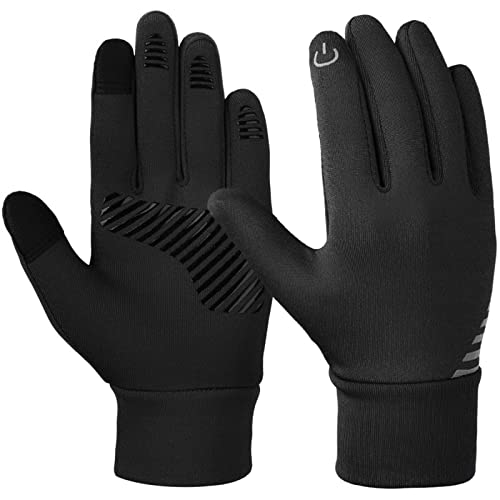
- ✓ Excellent grip and anti-slip
- ✓ Touchscreen compatible
- ✓ Comfortable, lightweight warmth
- ✕ Slightly small fit for bigger hands
- ✕ Not fully waterproof
| Material | Stretch fabric with silicone palm grip |
| Insulation | Lightweight thermal lining |
| Water Resistance | Water-resistant against snow and rain |
| Touchscreen Compatibility | Forefinger touchscreen compatible |
| Closure System | Adjustable Velcro strap |
| Breathability | Breathable outside stretch fabric |
Imagine your kid bundled up for a chilly winter bike ride, gloves slipping every time they grip the handlebars. I tossed these WFX Kids Winter Cycling Gloves into the mix, and instantly, I saw a difference.
The silicone palm grips are a game-changer, offering solid traction so my child could hold on tight without slipping. The lightweight thermal lining kept their hands warm without making the gloves bulky or uncomfortable.
Plus, the easy stretch cuff fit snugly over their jacket sleeve, preventing cold air from sneaking in.
What surprised me most was the touchscreen compatibility on the forefinger. My kid could scroll through games or respond to messages without removing the gloves, which is a huge win in winter conditions.
The elasticized strap and adjustable velcro ensured the gloves stayed in place, even during quick movements or snowball fights.
These gloves also handled snow and light rain surprisingly well, thanks to the water-resistant exterior. They felt smooth and flexible, letting my child move their fingers freely while still providing enough insulation for cold days.
I appreciated how breathable the fabric was, preventing sweaty hands during active play.
Overall, these gloves tick all the boxes for outdoor winter fun—warm, grip-friendly, touchscreen-compatible, and durable. They’re lightweight enough not to hinder movement but solid enough to protect against the elements.
Perfect for outdoor activities like skiing, skating, or even just chilly walks.
What Are the Key Features of the Best Winter Soccer Camp?
What Are the Key Features of the Best Winter Soccer Camp?
The best winter soccer camps offer a blend of skill development, competitive play, and enjoyable learning environments. Key features to look for include:
-
Qualified Coaching Staff: Experienced coaches with a background in player development and a focus on both technical and tactical training are crucial. They should be able to adapt coaching methods to the varying skill levels of participants.
-
Training Facilities: Access to high-quality fields, whether indoor or heated outdoor facilities, ensures comfortable training conditions throughout the winter months. Look for camps that prioritize maintenance and safety.
-
Skill Development Programs: Camps should implement structured curricula that cover fundamental skills, advanced tactics, team dynamics, and individual player improvement.
-
Small Group Sizes: Smaller groups allow for personalized attention, enabling coaches to give targeted feedback, helping players to improve their skills more effectively.
-
Competitive Opportunities: Regular scrimmages, tournaments, or match play should be integrated into the camp experience, offering players a chance to apply what they’ve learned in real-game situations.
-
Fitness and Conditioning: Programs focusing on physical fitness, agility, and injury prevention prepare players not just for winter soccer but also for the upcoming season.
Selecting a soccer camp with these features ensures that players benefit from a holistic approach to winter training.
How Do Training Options Differ by Skill Level?
Training options at winter soccer camps vary significantly based on skill level, ensuring personalized development for every participant.
-
Beginner Programs: These camps focus on introducing fundamental skills such as dribbling, passing, and shooting. Coaches typically employ engaging activities that promote understanding of the game while fostering basic coordination and teamwork.
-
Intermediate Programs: For players who have grasped the basics, these sessions concentrate on refining skills. Training includes tactical understanding, positioning, and game strategy. Drills often combine skill practice with game-like scenarios, allowing participants to apply techniques in real-time.
-
Advanced Programs: Targeted at elite players, these camps emphasize high-level tactics, complex drills, and physical conditioning. Participants engage in competitive matches and receive specialized training in areas like set pieces, formations, and mental preparation.
Each camp tailors its approach to the unique needs of the skill level, ensuring that players not only improve individually but also enjoy the process of learning and competing in a supportive environment.
Why Is Coaching Quality Important for Winter Soccer Camps?
Coaching quality is paramount in winter soccer camps for several reasons:
-
Skill Development: Experienced coaches can tailor training sessions to individual players, ensuring that each participant improves their technical and tactical skills. This personalized approach helps young athletes grow in confidence and ability.
-
Player Engagement: Well-qualified coaches know how to engage players, making training sessions enjoyable while still challenging. This balance keeps participants motivated throughout the camp, even in cold conditions.
-
Safety and Health: In winter, weather conditions can affect outdoor activities. Skilled coaches prioritize player safety, knowing how to modify practices to prevent injuries and ensure players stay warm and healthy.
-
Team Dynamics: Coaches with strong interpersonal skills can foster a positive team environment. They help players build camaraderie, enhancing teamwork and communication on and off the field.
-
Long-Term Impact: Quality coaching influences long-term player development. Coaches who emphasize foundational skills during camps can set athletes up for success in future seasons, fostering a love for the game and encouraging continued participation.
Selecting camps with high coaching standards ensures that young players not only improve but also enjoy the experience, leading to a lifelong passion for soccer.
What Benefits Can Players Gain from Attending a Winter Soccer Camp?
Physical conditioning is another critical aspect, as camps often incorporate fitness routines that improve players’ endurance, speed, and agility. This conditioning not only prepares players for the physical demands of the sport but also helps in injury prevention.
Teamwork and social skills are fostered as players interact and collaborate with others, learning to communicate effectively and work as a cohesive unit on the field. This experience can translate into better performance in team settings during regular seasons.
Access to coaching expertise is invaluable, with experienced trainers offering personalized guidance and tailored advice that can help players identify their strengths and areas for improvement. This mentorship can significantly impact a player’s development.
Exposure to competitive play during the camp helps players apply what they’ve learned in real-game scenarios, enhancing their tactical awareness and decision-making skills. This competitive aspect encourages players to push themselves and adapt to different playing styles.
Building confidence is a natural outcome of mastering new skills and achieving goals during the camp. As players see their progress, they gain a sense of accomplishment that can motivate them to continue improving.
Networking opportunities abound at winter soccer camps, where players can form friendships and connections with fellow athletes and coaches. These relationships may open doors to future playing opportunities or provide mentorship.
Lastly, the winter training environment is essential for maintaining a player’s engagement with soccer during the off-season. Camps ensure that athletes continue to develop their skills and stay active, which is crucial for long-term success in the sport.
How Does a Winter Camp Enhance Skills and Technique?
Technical training is emphasized through drills that teach players how to execute advanced techniques effectively. This includes exercises that enhance ball control and tactical decision-making, allowing players to apply these skills in real-game scenarios.
Physical conditioning is a critical component of winter camps, as they incorporate fitness routines that build endurance, strength, and agility. Improved fitness not only enhances performance but also reduces the risk of injury during the season.
Winter camps also promote team dynamics by encouraging players to collaborate and communicate effectively during drills and games. This camaraderie builds trust and understanding, which are vital for successful team play.
Expert coaching is a hallmark of winter camps, where players receive invaluable insights from seasoned professionals. These coaches assess individual skill levels and provide tailored feedback aimed at refining each player’s technique and understanding of the game.
Lastly, the competitive environment in winter camps simulates real match conditions, allowing players to practice under pressure. This exposure helps them develop strategies for handling game situations, ultimately enhancing their confidence and performance in actual matches.
What Are the Social Benefits of Attending a Soccer Camp?
Attending a soccer camp offers numerous social benefits that enhance personal and interpersonal skills.
- Teamwork: Participating in a soccer camp fosters a strong sense of teamwork as players learn to work together towards common goals. This collaborative environment encourages communication and mutual support, which are essential in both sports and life.
- Friendship Development: Soccer camps provide opportunities to meet peers with similar interests, leading to the formation of lasting friendships. Engaging in shared experiences helps build bonds and creates a network of friends that extend beyond the camp.
- Confidence Building: Successfully participating in soccer activities can significantly boost a player’s self-esteem. The supportive atmosphere of a camp, combined with skill development, allows individuals to gain confidence in their abilities, both on and off the field.
- Cultural Exchange: Many soccer camps attract participants from diverse backgrounds, promoting cultural exchange. This exposure helps players appreciate different perspectives and traditions, enhancing their social awareness and inclusion.
- Leadership Skills: Attending a soccer camp often involves taking on roles and responsibilities, which can cultivate leadership qualities. Players learn to motivate and guide their teammates, preparing them for leadership positions in sports and other areas of life.
- Conflict Resolution: In a competitive environment, disagreements and conflicts may arise, providing a platform for learning conflict resolution skills. Campers develop the ability to navigate interpersonal challenges, fostering emotional intelligence and resilience.
How Can Parents Identify the Right Winter Soccer Camp for Their Child?
Parents can identify the best winter soccer camp for their child by considering several key factors.
- Location: The proximity of the camp to the family’s home is crucial as it affects convenience and travel time. Choosing a local camp can also ensure that children feel comfortable and can participate without the stress of long commutes.
- Training Quality: Investigating the qualifications and experience of the coaches is essential for ensuring effective training. Camps that employ certified coaches or former professional players typically provide higher quality instruction and a better learning environment.
- Curriculum: A well-structured curriculum that focuses on skill development, teamwork, and game strategies is important. Parents should look for camps that balance technical training with fun activities to keep children engaged and motivated.
- Age Appropriateness: The camp should cater to the specific age group and skill level of the child. Programs designed for younger players will differ significantly from those aimed at teens or advanced players, ensuring that each child is appropriately challenged.
- Reputation: Researching reviews and testimonials from other parents can provide insight into the camp’s overall quality and reliability. A camp with a strong reputation for positive experiences and successful player development is likely a better choice.
- Facilities and Equipment: The quality and availability of training facilities and equipment should not be overlooked. Camps that offer access to well-maintained fields and proper soccer gear can enhance the training experience and safety of the players.
- Cost: Evaluating the camp’s fees in relation to what is offered is essential for budgeting. While some camps may be more expensive, it’s important to consider the value of the training and experiences provided to ensure that parents are making a wise investment.
- Camp Size: The ratio of coaches to players can significantly impact the level of attention each child receives. Smaller camp sizes often allow for more personalized instruction and better development opportunities.
What Questions Should Parents Ask Camp Organizers?
Parents should ask specific questions to ensure they select the best winter soccer camp for their children.
- What is the camp’s coaching staff experience? Asking about the qualifications and experience of the coaching staff is crucial, as it directly impacts the quality of training and safety. A camp with experienced coaches, preferably with backgrounds in soccer training or education, can provide a more enriching and safe environment for young athletes.
- What is the camp’s ratio of coaches to players? Inquiring about the coach-to-player ratio helps parents understand how much individual attention their child will receive. A lower ratio typically means more personalized instruction and better supervision, which can enhance the overall camp experience.
- What is the daily schedule and curriculum? Understanding the daily schedule allows parents to assess whether the camp’s structure is age-appropriate and includes a balanced mix of training, games, and rest. A well-rounded curriculum should focus not only on skill development but also on teamwork and sportsmanship.
- What safety measures are in place? Parents should ask about the camp’s safety protocols, including emergency procedures, first aid availability, and how they handle injuries. Knowing that the camp prioritizes safety can provide peace of mind while their children are participating in activities.
- Are there any evaluations or feedback for players? It’s beneficial to learn if the camp offers evaluations or progress reports for players. These assessments can give parents insights into their child’s development and areas for improvement, allowing for targeted growth after the camp.
- What are the camp’s policies on cancellations and refunds? Understanding the cancellation and refund policies is essential in case plans change unexpectedly. Parents should clarify the terms to ensure they are aware of any financial implications should they need to withdraw their child from the camp.
- What is included in the camp fee? Parents should inquire about what the camp fee covers, including meals, equipment, and any additional activities. This information helps parents understand the overall value of the camp and avoid unexpected additional costs.
- Is there a focus on player development beyond skills? It’s important to determine if the camp emphasizes aspects like mental resilience, leadership, and character development. Camps that foster personal growth can provide a more holistic experience for young athletes, preparing them for challenges both on and off the field.
How Important Are Camp Reviews and Ratings?
Camp reviews and ratings play a crucial role in selecting the best winter soccer camp.
- Trustworthiness of Recommendations: Reviews from previous campers provide an authentic perspective on the quality of the camp experience. You can gauge the camp’s effectiveness, staff professionalism, and facilities based on firsthand accounts.
- Comparison of Options: Ratings allow prospective campers to compare multiple camps easily. By evaluating scores across various camps, families can prioritize options that align with their expectations and needs.
- Insights into Camp Culture: Reviews often highlight the camp’s atmosphere and community vibe. Understanding the culture can help determine if a camp is a good fit for a child’s personality and social preferences.
- Identification of Strengths and Weaknesses: Ratings may reveal specific strengths, such as coaching quality or training resources, alongside potential weaknesses like overcrowding or lack of amenities. This information is vital for making an informed decision about which camp to choose.
- Social Proof: Positive reviews serve as social proof that can influence decision-making. When families see that others have had rewarding experiences, they are more likely to feel confident in their choice of camp.
Where Can You Find the Best Winter Soccer Camps Available?
Finding the best winter soccer camps can enhance players’ skills and provide valuable training opportunities during the off-season.
- Local Soccer Clubs: Many local soccer clubs offer winter training camps designed for players of various skill levels. These camps typically focus on fundamental skills, tactical understanding, and conditioning, making them a great option for youth players looking to improve during the colder months.
- College Soccer Programs: Some collegiate soccer programs host winter camps that allow players to experience training at a higher level. These camps often feature coaching from college-level staff and players, providing participants with insight into the demands of collegiate soccer and an opportunity to showcase their talents.
- Specialized Soccer Academies: Soccer academies that focus specifically on player development often have winter programs that include both technical training and competitive play. These camps are led by experienced coaches and may incorporate video analysis and personalized feedback to enhance player performance.
- National Soccer Organizations: National organizations, like U.S. Soccer or regional associations, sometimes offer winter training camps or clinics that are open to all players. These camps are typically well-structured and focus on both skill development and fostering a love for the game, making them an excellent choice for serious young athletes.
- Online Directories and Reviews: Websites that specialize in camp listings provide reviews and comparisons of various winter soccer camps. These platforms allow parents and players to assess options based on location, coaching quality, and past participant experiences, enabling them to choose the best fit for their needs.
What Online Resources Are Helpful for Locating Camps?
Several online resources can assist in finding the best winter soccer camps.
- Soccer Camp Directories: These directories compile various soccer camps by age, skill level, and location, making it easier to find a suitable option.
- Local Soccer Clubs and Associations: Many local clubs and associations offer information about winter camps, often including recommendations and reviews from previous participants.
- Social Media Groups: Platforms like Facebook have dedicated groups for soccer players and parents where they share information about upcoming camps and personal experiences.
- Camp Websites: Many soccer camps have their own websites that provide detailed information about their programs, schedules, costs, and registration processes.
- Online Reviews and Forums: Websites like Yelp and Reddit can provide insights from other parents and players who have attended specific camps, helping gauge the quality and experience offered.
Soccer Camp Directories: These directories, such as Soccer Camps and USA Soccer Camps, allow users to filter camps based on various criteria like age, skill level, and geographical location. This can save time and ensure that parents find a camp that meets their specific needs.
Local Soccer Clubs and Associations: Local soccer clubs often organize winter camps and have up-to-date information about them. They may also provide insights into the camp’s coaching staff and curriculum, making it easier to choose a reputable option.
Social Media Groups: Joining Facebook groups or forums dedicated to youth soccer can be a valuable way to gather recommendations. Members frequently share their personal experiences and can provide advice on which camps are worth considering.
Camp Websites: Visiting the official websites of soccer camps is crucial for obtaining direct information about the camp’s offerings, including daily schedules, coaching staff, and pricing. These websites often feature testimonials and success stories that can help in making an informed decision.
Online Reviews and Forums: Websites like Yelp, Google Reviews, and Reddit can provide a plethora of user-generated content regarding specific soccer camps. These platforms allow parents and campers to share their experiences, giving prospective attendees a clearer picture of what to expect from a particular program.
How Can Local Soccer Clubs Help in Finding Winter Camps?
Local soccer clubs can play a significant role in helping players find the best winter soccer camps by leveraging their resources and community connections.
- Networking Opportunities: Local soccer clubs often have established relationships with various camps and training programs.
- Coaching Recommendations: Coaches at local soccer clubs can provide personalized advice on which camps would best suit a player’s skill level and development needs.
- Group Discounts: Many clubs negotiate group rates for their members, making it more affordable to attend quality winter camps.
- Skill Development Programs: Clubs may offer their own winter training camps or partner with other organizations to enhance player skills during the off-season.
- Community Bulletin Boards: Clubs often maintain boards or online platforms where local camps can advertise their offerings.
- Player Feedback: Clubs can gather insights from players who have previously attended various camps, helping new participants choose the best options.
Networking Opportunities: Local soccer clubs often have established relationships with various camps and training programs, facilitating communication and recommendations. Through these connections, clubs can provide players with a list of trusted camps that have a proven track record of quality instruction.
Coaching Recommendations: Coaches at local soccer clubs are familiar with the strengths and areas for improvement of their players. They can offer tailored advice on which winter camps align best with a player’s abilities and goals, ensuring that each athlete finds the right fit for their development.
Group Discounts: Many clubs negotiate group rates for their members, enabling families to save money when enrolling in winter camps. This financial benefit can encourage greater participation and make high-quality training more accessible to a wider range of players.
Skill Development Programs: Some local soccer clubs may initiate their own winter training camps or collaborate with other organizations to provide specialized training during the off-season. These programs are often designed to enhance specific skills, ensuring that players continue to improve even when regular season play is not in session.
Community Bulletin Boards: Clubs frequently maintain bulletin boards or digital platforms where local camps can promote their offerings. This centralized information allows players and parents to easily find and compare different winter camp options available in the area.
Player Feedback: Clubs can collect feedback from their players who have attended various camps in the past. This firsthand insight can guide new attendees in their decisions, helping them choose camps that previous participants found beneficial and enjoyable.
Related Post: