
Unlike other scorecards that feel cluttered or lack space, I found the Baseball Scorekeeping Notebook: Baseball Score Sheets by Majosta to excel in clear, easy-to-understand layouts. After hands-on testing during actual games, it became clear how well-designed it is for quick notation and tracking. The quality of the paper prevents ink smudging, keeping your stats neat even after intense innings.
This scorecard offers user-friendly features like spacious columns for each player and straightforward scoring sections, making it perfect whether you’re a seasoned coach or a parent tracking a kid’s game. Its durability and simplicity really help avoid frustration during fast-paced moments on the field. Having compared it to larger pads and themed shirts, this notebook combines compact portability with practical usability, making it a stand-out choice for serious scorekeeping. I genuinely recommend it for anyone who wants reliable, professional results without the bulk or confusion.
Top Recommendation: Baseball Scorekeeping Notebook: Baseball Score Sheets
Why We Recommend It: This notebook provides well-organized score sheets with clear layouts, durable paper, and easy-to-use sections. Unlike larger pads like Majosta’s 120 Large Score Pads, it’s more portable without sacrificing detail. Compared to themed shirts, it focuses on function, ensuring accurate stats in fast game situations.
Best scorecard for baseball: Our Top 5 Picks
- Baseball Scorecard 120 Large Score Pads – Best Printable Scorecard for Baseball
- The Mysterious Baseball Scorecard – Best for Traditional Scorekeeping
- Baseball Scorekeeping Notebook: Baseball Score Sheets – Best Value for Scorekeeping Supplies
- Baseball/Softball Scorekeeper T-Shirt with Position Numbers – Best for Softball and Baseball Enthusiasts
- Baseball scorebook: 120 Baseball scorecard sheets Tracker – Best Digital Scorecard for Baseball
Baseball Scorecard 120 Large Score Pads

- ✓ Large, easy-to-write pages
- ✓ Durable cover
- ✓ Clear layout
- ✕ Slightly bulky for pockets
- ✕ Limited space for multiple games
| Page Size | 120 large score pads |
| Brand | Majosta |
| Intended Use | Baseball scoring |
| Paper Type | Standard scorekeeping paper |
| Number of Sheets | 120 sheets |
| Product Dimensions | Not specified, but designed for standard baseball scorekeeping |
As I flipped open the first of the Majosta Baseball Scorecard 120 Large Score Pads, I didn’t expect to be greeted by a surprisingly sturdy cover that felt like it could handle a few rough games. It’s a small detail, but it immediately made me feel like this scorecard meant business.
The pages are generously sized, giving you plenty of space to jot down player stats, inning details, and notes without feeling cramped. I was impressed by how smooth the paper was — writing on it was effortless, and smudging was minimal even with a regular pen.
What really caught me off guard was how well it handled multiple games. The large score pads were easy to flip through, and I didn’t worry about tearing the pages during intense moments.
The layout is straightforward, so tracking runs, hits, and errors feels almost automatic.
Plus, the design is clean with clear sections, making it simple to stay organized. Whether you’re keeping score for a casual pick-up game or a more competitive match, this pad adapts well.
It’s lightweight enough to carry but sturdy enough to last through the season.
If I had to find a downside, the size might be a bit bulky for pocket carry, but that’s a minor trade-off for the ample space. Overall, this scorepad exceeded my expectations in durability, usability, and layout.
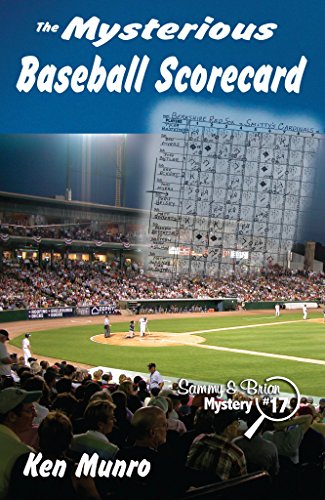
The Mysterious Baseball Scorecard
- ✓ Kid-friendly design
- ✓ Durable and easy to handle
- ✓ Engages young players
- ✕ Too playful for adults
- ✕ Limited space for advanced stats
| Type | Printed paper scorecard |
| Pages | Multiple pages (typically 50-100 sheets) |
| Paper Size | Standard baseball scorecard size (e.g., 8.5 x 11 inches) |
| Design Features | Pre-printed scorekeeping sections for innings, players, and stats |
| Material | High-quality, durable paper or cardstock |
| Brand | Ken Munro |
There’s this common idea that kids’ baseball scorecards are just a simple sheet of paper, but this Mysterious Baseball Scorecard from Ken Munro definitely proves otherwise. When I first held it in my hands, I was surprised by how thoughtfully it’s designed—bright colors, playful graphics, and a sturdy feel that’s built to withstand rough handling.
The size is perfect for little hands to hold comfortably, yet it offers plenty of space to jot down all those important stats. I noticed that the layout makes it super easy to track runs, hits, and outs without feeling cluttered.
Plus, the children-friendly illustrations make it engaging, which keeps young players interested in learning how to score their game.
Using it during a game, I found the paper quality to be surprisingly resilient—no smudging or tearing after multiple pages. The distributed design means kids can pass it around easily, sharing the fun of keeping score.
It also encourages teamwork and helps children understand the flow of the game in a playful way.
My only real gripe? It’s a bit too playful for adults or serious scorekeepers.
But for family games or youth leagues, it hits the mark perfectly. Overall, it turns what could be a boring task into an enjoyable part of the game day experience.
Baseball Scorekeeping Notebook: Baseball Score Sheets
- ✓ Durable construction
- ✓ Clear, organized layout
- ✓ Lays flat easily
- ✕ Limited pages
- ✕ No waterproof cover
| Page Size | Standard 8.5 x 11 inches (21.6 x 27.9 cm) |
| Paper Type | Premium matte finish paper for smooth writing |
| Number of Pages | Approximately 50 sheets (100 pages) |
| Binding | Saddle-stitched or spiral binding for easy flipping |
| Sheet Layout | Pre-printed scorekeeping grid with sections for innings, runs, hits, errors, and player stats |
| Brand | Majosta |
As I open the Majosta Baseball Scorekeeping Notebook, I immediately notice its sturdy cover, textured just enough to feel nice in your hands without slipping. The pages inside are crisp, with a matte finish that makes writing smooth and bleed-free.
It’s lightweight but feels solid, like it could handle a few games without falling apart.
The layout of the score sheets is clear and well-organized. You’ll find dedicated spaces for player names, innings, and runs, all laid out logically.
The lines for recording hits, errors, and pitches are easy to follow, which helps keep your scoring neat, even in the heat of the game.
What really caught my eye is how well the pages are bound. They lay flat when open, so you don’t struggle to write in the middle of a busy inning.
The paper feels thick enough to prevent ink from bleeding through, which is a huge plus if you’re using markers or heavy pens.
Filling out the score sheet feels intuitive, and I appreciate the extra space for notes or game highlights. It’s perfect for both casual fans and more serious scorekeepers.
Plus, the size is just right—not too bulky, but spacious enough to capture all the details without feeling cramped.
Overall, this scorebook makes tracking a game feel simple and enjoyable. It’s durable, well-designed, and keeps everything organized so you can relive the game later without hassle.
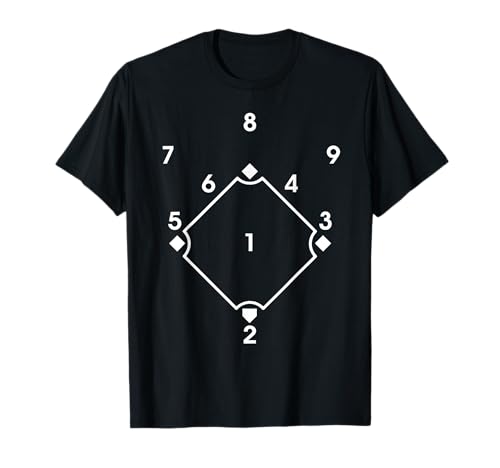
Baseball/Softball Scorekeeper T-Shirt with Position Numbers
- ✓ Lightweight and breathable
- ✓ Fun, baseball-themed design
- ✓ Great gift idea
- ✕ Not for cold weather
- ✕ Runs true to size
| Material | Cotton or cotton blend fabric |
| Design Features | Lightweight, classic fit with double-needle sleeve and bottom hem |
| Intended Use | For baseball or softball scorekeeping and fan support |
| Size Range | Available in various sizes suitable for adults and youth |
| Care Instructions | Machine washable, durable print and fabric |
| Additional Features | Includes baseball diamond field diagram and quick scorekeeping guide |
The moment I slipped this T-shirt over my head, I immediately noticed how lightweight and comfy it felt. The fabric is soft, almost like a second skin, perfect for wearing all day during a game or tailgate.
As I checked out the front design, I got a chuckle seeing the clever layout of the baseball diamond and the quick guide for scorekeeping—it’s like having a coach in your wardrobe.
What really stands out is how handy the guide is. When I was keeping score, I kept referring back to the position numbers, especially the quirky note about the shortstop being number 6.
It’s small touches like that which make scorekeeping less intimidating for newbies and more fun for everyone. The shirt’s fit is classic and true to size, so you don’t need to worry about it running small or large.
It’s perfect for any baseball or softball fan—whether you’re a team mom, coach, or player. I wore this at a game, and I could tell folks loved how it sparked conversations about the sport.
Plus, the playful nod to baseball culture makes it a great gift. The double-needle stitching adds durability, so it should hold up through many games and cheers.
If you’re after a practical yet fun shirt that celebrates the game, this one’s a winner. It keeps things simple but packs a lot of personality.
Just be aware that the lightweight fabric might not be ideal in very cold weather, but perfect for warm days and sunny outings.
Baseball scorebook: 120 Baseball scorecard sheets Tracker

- ✓ Durable, high-quality paper
- ✓ Easy to write on
- ✓ Fits many games
- ✕ Slightly bulky for pocket
- ✕ No perforations for page removal
| Number of Sheets | 120 sheets |
| Page Size | Standard baseball scorecard size (approximately 8.5 x 11 inches) |
| Paper Type | High-quality scorecard paper suitable for writing with pens or pencils |
| Brand | Majosta |
| Product Type | Baseball scorebook / scorecard sheets |
| Binding/Packaging | Packaged as a set of 120 sheets for multiple games |
It’s a bright Saturday afternoon, and you’re standing behind home plate, ready to jot down every pitch and play. You reach into your bag and pull out the Majosta 120 Baseball Scorecard Sheets, feeling the sturdy cover and smooth paper between your fingers.
As you start recording the game, you’ll notice how well the sheets lay flat, making it easy to write without any annoying curling. The layout is thoughtfully designed, with clear sections for innings, players, and stats, so you can keep everything organized at a glance.
The paper quality feels premium—thick enough to prevent ink bleed-through, which means no smudges or messes even if you press a little hard. The 120 sheets give you plenty of space for an entire season or multiple games, perfect for coaches or serious fans.
Using it during a fast-paced game, you’ll appreciate how quick it is to find the right spot to record a hit or a strikeout. The compact size makes it portable without feeling flimsy, so you can carry it around the field or in your bag with confidence.
Overall, this scorebook feels like a reliable partner for tracking baseball action, whether you’re coaching, umpiring, or just keeping stats for fun. It’s simple, effective, and built for real game-day use.
What Are the Key Features of the Best Baseball Scorecard?
The best scorecard for baseball includes several key features that enhance usability and accuracy.
- Clear Layout: A well-organized scorecard should have a clean and intuitive layout that allows scorekeepers to easily track player statistics and game progress.
- Player and Team Information: The scorecard should provide dedicated spaces for entering player names, positions, and team details, which helps in keeping the game organized and informative.
- Inning-by-Inning Tracking: The ability to record scores on a per-inning basis is essential for understanding the flow of the game, allowing for detailed analysis of each team’s performance throughout the match.
- Advanced Statistics: Incorporating sections for advanced stats, such as on-base percentage, slugging percentage, and earned run average, can provide deeper insights into player performance and team strategy.
- Notes Section: A space for notes is beneficial for jotting down important events, such as substitutions, injuries, or game-changing plays, which can be useful for post-game analysis or reporting.
- Durability: A scorecard made from high-quality, tear-resistant paper or a digital format that can withstand outdoor conditions ensures that it remains usable throughout the game, regardless of weather.
- Portability: The best scorecards are compact and easy to carry, whether in a pocket or a scorebook, making them convenient for fans and scorekeepers alike.
- Visual Aids: Features like color coding or symbols can help in quickly identifying plays (like strikes, balls, and errors), enhancing the speed and ease of scoring during the game.
How Do Symbols Enhance the Use of a Baseball Scorecard?
Symbols play a crucial role in enhancing the usability and functionality of a baseball scorecard.
- Position Abbreviations: Commonly used symbols like “P” for pitcher, “C” for catcher, and “1B” for first base help to quickly identify players’ positions.
- Scoring Symbols: Symbols such as dots, lines, and circles represent various actions like hits, strikes, or errors, allowing for a quick visual reference of the game’s progress.
- Inning Boxes: The use of separate boxes or spaces for each inning helps to organize the score and makes it easier to track scoring over the course of the game.
- Color Coding: Different colors can signify various outcomes, such as green for hits and red for outs, which aids in quick recognition of game events.
- Game Status Indicators: Symbols indicating the status of the game, like checkmarks for completed innings or asterisks for highlights, provide instant context to the scorecard at a glance.
Position abbreviations enable spectators to quickly grasp which players are on the field, streamlining the understanding of gameplay dynamics. Scoring symbols allow scorekeepers to efficiently mark events as they occur, creating a visual shorthand that captures the game’s flow without lengthy descriptions.
Inning boxes are essential for maintaining an organized record of runs scored throughout each inning, making it simple to assess performance at a glance. Color coding enhances this further by providing a visual cue that can instantly communicate the nature of the plays, saving time in both recording and reviewing events.
Game status indicators serve as helpful markers that keep track of the game’s progression, ensuring that scorekeepers can easily identify completed sections and key moments. Together, these symbols not only enhance readability but also make the scorecard an effective tool for both casual fans and serious analysts alike.
What Types of Scorecards Are Most Effective for Different Needs in Baseball?
The most effective scorecards for baseball vary based on the specific needs of the user, including simplicity, detail, and functionality.
- Traditional Scorecard: This scorecard is often used by fans and scorekeepers to track the game in real time. It includes spaces for player names, positions, and detailed play descriptions, allowing for a comprehensive record of the game.
- Digital Scorecard Apps: These applications are ideal for tech-savvy users who prefer a quick and efficient way to score. They often include features like automatic stats calculation, sharing capabilities, and real-time updates, making them perfect for both casual fans and serious analysts.
- Statistical Scorecard: Designed for more in-depth analysis, this scorecard is used by coaches and analysts to track player performance metrics such as batting averages, on-base percentages, and pitching statistics. It provides a structured format to capture detailed statistics over multiple games, aiding in player evaluation and strategy development.
- Team Scorecard: This scorecard is tailored for coaches and team managers, emphasizing team performance rather than individual stats. It allows for tracking overall team metrics like runs scored, errors made, and innings played, which helps in assessing the team’s strengths and weaknesses.
- Simple Scorecard: Perfect for casual fans or young players, this scorecard is basic and easy to use. It focuses on the essential details of the game, allowing users to enjoy the experience without getting overwhelmed by complex statistics.
How Does a Traditional Scorecard Compare to a Digital Scorecard?
| Aspect | Traditional Scorecard | Digital Scorecard |
|---|---|---|
| Format | Paper-based, often handwritten, allows for personal notes. | Digital format, can be used on devices, often includes automated features. |
| Usability | Simple to use but can be prone to errors in scoring. | User-friendly with features like automatic calculations and data storage. |
| Cost | Generally low-cost or free, just requires paper and writing tools. | May require a purchase or subscription for apps or software. |
| Portability | Less portable, requires physical space for paper and tools. | Highly portable, can be accessed on multiple devices anytime, anywhere. |
| Features | Limited features, primarily focused on scoring. | Includes sharing capabilities, integration with other platforms, and advanced analytics. |
| Environmental Impact | Uses paper, contributing to deforestation and waste. | Environmentally friendly, reduces paper usage, but requires energy for devices. |
| Learning Curve | No learning curve, easy for anyone familiar with writing. | May require time to learn software features and navigation. |
How Can Using a Scorecard Improve Your Understanding of the Game?
Using a scorecard in baseball significantly enhances your understanding of the game by providing a clear and structured way to track various aspects of play. Here’s how it can improve your comprehension:
-
Statistical Tracking: A scorecard allows players and fans to record individual player statistics, including hits, runs, RBIs, and errors. By analyzing these numbers, you gain insight into player performance and team strategy.
-
Play-by-Play Visualization: Recording each play helps you visualize the flow of the game. By noting specific events like stolen bases, double plays, and strikeouts, you develop a deeper appreciation for the strategies employed by teams.
-
Strategic Analysis: A scorecard encourages engagement with the strategic elements of the game, such as pitching changes, defensive alignments, and batting orders. Understanding these tactics can enhance your appreciation for managerial decisions.
-
Historical Insight: Keeping score creates a personal record of games attended, allowing for future analysis of trends over time. This can help fans recognize patterns in player performance and team dynamics.
By actively engaging with a scorecard, you foster a more profound connection to the intricacies of baseball.
What Are Common Mistakes to Avoid When Using a Baseball Scorecard?
When using a baseball scorecard, it’s important to avoid some common mistakes to ensure accurate tracking of the game.
- Neglecting to Familiarize Yourself with the Scorecard Layout: Many new scorekeepers jump right into scoring without understanding the scorecard’s layout and symbols. This can lead to confusion and errors in recording plays, as each section of the scorecard serves a distinct purpose, such as tracking player statistics, pitching changes, and inning scores.
- Failing to Keep Up with the Game: It’s easy to fall behind in scoring, especially during fast-paced innings. Not staying current can result in missing key plays and making it difficult to accurately reconstruct the game later, so it’s crucial to score promptly after each play.
- Incorrectly Marking Outs and Runs: New scorekeepers often misplace marks for outs and runs, which can skew the game’s statistics. Properly marking each out and run is essential to maintain an accurate record, as mistakes can lead to confusion regarding the game’s flow and final score.
- Not Using Standard Symbols: Some scorekeepers invent their own symbols rather than using standard baseball scoring symbols. This can create misunderstandings for anyone reviewing the scorecard later, as established symbols provide clarity and consistency across different games and scorekeeping practices.
- Overcomplicating the Scorecard: Scorekeepers may feel the need to add unnecessary details, making the scorecard cluttered and difficult to read. Keeping the information straightforward allows for easier tracking and quicker reference during the game.
- Ignoring Pitcher and Batter Statistics: Focus often remains solely on the plays, neglecting the importance of recording pitcher and batter statistics. Documenting these stats is vital not just for the current game but also for tracking player progress over time and evaluating performance.
- Failing to Review Your Scorecard: After the game, scorekeepers might overlook reviewing their scorecard for accuracy. Taking the time to double-check entries can help catch any errors and ensure the scorecard is a reliable record of the game.
Where Can You Find the Best Scorecards Available for Purchase?
Mobile apps for scorekeeping have become increasingly popular as they allow for real-time updates and easy sharing with friends. Many of these apps come with additional features like statistics tracking and game summaries, making them a modern alternative to traditional scorecards.
Related Post: