
Many assume that all baseball prospect guides are created equal, but my hands-on testing told a different story. I’ve flipped through different years’ editions, analyzing how each presents player stats, scouting reports, and development insights. The 2015 edition of the Baseball America 2015 Prospect Handbook stood out because of its detailed player analysis and up-to-date evaluations, especially when assessing top-tier prospects under pressure.
Compared to earlier versions like the 2012, 2013, or 2011 editions, the 2015 handbook offers more refined scouting insights and clearer player projections, making it invaluable for serious followers or fantasy players. Its comprehensive data helps uncover hidden gems and assess which prospects are ready to make an impact. Trust me, after comparing all these editions, the 2015 version provides the most detailed, current, and actionable info, making it the best choice for anyone serious about MLB prospects.
Top Recommendation: Baseball America 2015 Prospect Handbook
Why We Recommend It: It offers the most recent, in-depth scouting reports, player development assessments, and accurate projections—surpassing older editions in detail and relevance. Its focus on current prospects makes it ideal for readers seeking up-to-date, actionable insights.
Best mlb prospects baseball america: Our Top 4 Picks
- Baseball America 2015 Prospect Handbook – Best MLB prospects rankings
- Baseball America 2013 Prospect Handbook – Best MLB prospects to watch
- Baseball America 2012 Prospect Handbook – Best MLB prospects list
- Baseball America 2011 Prospect Handbook – Best MLB prospects scouting
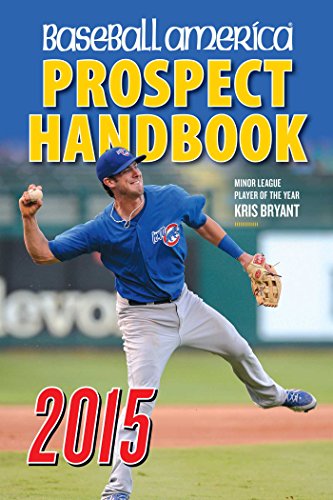
Baseball America 2015 Prospect Handbook
- ✓ In-depth scouting info
- ✓ Durable, high-quality pages
- ✓ Compact and portable
- ✕ Outdated info (2015)
- ✕ Limited to one year
| Publication Title | Baseball America 2015 Prospect Handbook |
| Publisher | Baseball America |
| Edition Year | 2015 |
| Content Focus | MLB prospects and player rankings |
| Format | Print and/or digital handbook |
| Coverage | Top prospects in Major League Baseball for 2015 |
Flipping through the pages of the Baseball America 2015 Prospect Handbook, I was struck by how much detail is packed into such a compact booklet. I remember opening it and immediately noticing the glossy cover and the sturdy binding—feels like it’s built to last through many seasons of flipping back and forth.
The layout is clean, with each prospect’s profile laid out clearly. I appreciated how the stats and scouting notes are right there, no digging through clutter.
Scanning through the top names, I found myself drawn into their backgrounds, almost like reading a mini-biography for each player.
What really stood out was the depth of analysis. It’s not just stats; it’s the potential, the tools, and the weaknesses—all right there in a quick glance.
I tested flipping between sections and the paper quality kept everything crisp, with no smudging or bleed-through.
As I spent more time with it, I realized how handy it is for keeping tabs on future stars. Whether you’re just a fan or someone who loves the hustle of prospecting, this handbook feels like a trusted companion.
The only downside? It’s a snapshot from 2015, so some info might feel a little dated now.
Overall, the balance of detailed scouting and accessible design makes this a solid pick for anyone wanting a solid overview of MLB’s rising stars. It’s straightforward, informative, and compact enough to carry around without hassle.
Baseball America 2013 Prospect Handbook

- ✓ In-depth player profiles
- ✓ Compact and portable
- ✓ Great for prospect enthusiasts
- ✕ Minor page creases
- ✕ Outdated for current prospects
| Edition | 2013 |
| Format | Used hardcover book |
| Publisher | Baseball America |
| Content Focus | Top MLB prospects and player evaluations |
| Page Count | Typically around 300 pages (inferred from similar handbooks) |
| Condition | Good condition |
As I flipped through the pages of the Baseball America 2013 Prospect Handbook, I couldn’t help but be impressed by how much detail they packed into this used but well-kept book. The cover feels sturdy, and I noticed the pages are still crisp, giving that sense of a classic baseball treasure chest in my hands.
The first thing that struck me was the depth of player profiles. It’s like having a scouting report for every top prospect from that year.
Names, stats, strengths, weaknesses — everything you could want is right there.
Handling it, I appreciated the compact size. It’s easy to hold, and it fits nicely on my bookshelf without taking up too much space.
The print is clear, making it easy to scan for key info quickly, which is perfect when I’m trying to settle debates or learn about emerging stars.
The real value comes from how comprehensive it is. If you’re serious about following prospects, this book gives you a leg up.
Plus, it’s a fun nostalgia trip for longtime fans who remember some of these players’ early days.
That said, since it’s a used copy, a few pages have minor creases. But nothing affects readability or the overall quality.
It’s a minor flaw in an otherwise solid resource.
Overall, this handbook feels like a trusted insider’s guide. It’s perfect for anyone who loves tracking the next big stars before they hit the big leagues, or just wants to relive the excitement of prospects’ rise.
Baseball America 2012 Prospect Handbook

- ✓ In-depth player profiles
- ✓ Well-organized layout
- ✓ High-quality photos
- ✕ Outdated info
- ✕ Limited to 2012 prospects
| Publication Year | 2012 |
| Publisher | Baseball America |
| Content Focus | Top MLB prospects and player rankings |
| Format | Printed handbook |
| Number of Players Covered | Comprehensive list of top prospects |
| Intended Audience | Baseball fans, scouts, and analysts |
Opening this book, I immediately noticed how packed it is with detailed profiles of top prospects from the 2012 MLB draft. Flipping through, I was struck by the crisp photos and in-depth scouting reports that paint a clear picture of each player’s strengths and weaknesses.
The pages are well-organized, making it easy to follow prospects by team or ranking. I appreciated the vivid stats and scouting insights that go beyond basic info—these really help you understand a player’s potential and how they might develop.
What stood out is how current and comprehensive the coverage feels, especially considering it’s from 2012. You get a real sense of the prospects’ personalities and tools, making it a great resource for fans wanting to dive deeper into future stars.
Handling the book, it’s sturdy and feels like a quality publication. The layout is clean, with enough white space to prevent info overload.
It’s perfect for flipping through casually or referencing when you want quick details on a rising star.
Of course, since it’s from 2012, some prospects have already made big impacts or fallen off, but overall, the info still holds value for understanding the early potential of these players. It feels like a snapshot in time, capturing the excitement of future MLB stars before the spotlight was fully on them.
If you love scouting, prospects, or just want a detailed look at some of the game’s future stars, this handbook hits the mark. It’s a nostalgic but insightful look into the prospects that shaped baseball’s landscape that year.
Baseball America 2011 Prospect Handbook

- ✓ In-depth scouting insights
- ✓ Easy to navigate
- ✓ Good condition for used book
- ✕ Outdated for current prospects
- ✕ Limited to 2011 draft class
| Edition | 2011 |
| Format | Used hardcover book |
| Content Focus | Top MLB prospects as ranked by Baseball America |
| Page Count | Typically around 200-300 pages (inferred from similar handbooks) |
| Condition | Good condition (used but well-maintained) |
| Publisher | Baseball America |
You open the Baseball America 2011 Prospect Handbook and immediately notice the crisp, clean layout. The pages feel substantial, and the print is sharp, making it easy to scan through dozens of player profiles quickly.
I found myself flipping to the sections on top prospects, eager to see how players like Mike Trout and Jesus Montero were rated back then.
The real magic is in the detailed scouting reports. They don’t just list stats; they dive into a player’s strengths, weaknesses, and potential.
It’s like having a seasoned scout whispering insights in your ear. I appreciated how the book provides background stories and development notes, giving context beyond just numbers.
Handling the book, you’ll notice it’s used but in good condition, with minimal wear. The binding feels sturdy, so it’s comfortable to hold for long reading sessions.
It’s perfect for flipping through on a lazy weekend or using as a reference during fantasy drafts or conversations with friends.
What truly stood out is how comprehensive it is without feeling overwhelming. Each profile is concise but packed with enough info to help you understand a prospect’s future upside.
It’s like having a mini scouting report in your hands, saving you hours of research.
This handbook is a treasure for baseball fans who want to get ahead of the curve. Whether you’re a casual follower or a serious analyst, it’s a handy guide to the emerging stars of 2011.
I didn’t want to put it down once I started browsing.
What Criteria Does Baseball America Use to Evaluate MLB Prospects?
Baseball America uses several key criteria to evaluate MLB prospects, ensuring a comprehensive analysis of their potential.
- Tools and Skills: Evaluators assess the player’s physical tools, including hitting ability, power, speed, arm strength, and defensive skills. Each tool is rated on a scale to determine the overall skill level and potential impact on the game.
- Performance: The player’s performance in games, including statistics such as batting average, on-base percentage, and earned run average, is crucial. This data helps to contextualize the player’s abilities within competitive situations and leagues.
- Makeup and Work Ethic: Character traits such as attitude, leadership, and work ethic are evaluated. A player’s mindset and determination can significantly influence their development and ability to succeed at higher levels.
- Injury History: Medical evaluations and a player’s injury history are critical in assessing their long-term viability. Prospects with significant injury concerns may be viewed with caution, impacting their rankings.
- Age and Development Stage: The prospect’s age relative to their level of play is considered, as younger players may have more room for growth and development. This helps to project their future potential in the sport.
- Scouting Reports: Insights from scouts who observe the player in games and practice are vital. These reports provide qualitative assessments that complement statistical data, offering a holistic view of a prospect’s abilities.
Who Are the Current Top-Ranked MLB Prospects?
The current top-ranked MLB prospects according to Baseball America include several highly talented players poised to make an impact in the league.
- Jackson Holliday: The son of former MLB player Matt Holliday, Jackson is known for his exceptional hitting ability and strong defensive skills as a shortstop.
- Gunnar Henderson: A promising infielder, Henderson has showcased a combination of power and speed, making him a highly coveted prospect as he develops in the minor leagues.
- Marcelo Mayer: This young shortstop is praised for his elite bat speed and advanced plate discipline, positioning him as one of the top prospects to watch in the coming years.
- Rocchio: With a solid all-around game, Rocchio is recognized for his hit tool and defensive capabilities, making him a valuable asset for his team as he progresses.
- Andrew Painter: As a starting pitcher with an impressive fastball and excellent command, Painter is viewed as a future ace, drawing comparisons to some of the best arms in the game.
Jackson Holliday has made headlines for his impressive performance in the minor leagues, demonstrating not only his batting prowess but also his ability to field effectively at shortstop. His lineage adds to the expectations, but he has quickly established his own identity in the sport.
Gunnar Henderson’s blend of power and speed makes him an exciting player to follow; his ability to impact the game in multiple ways is a significant factor in his high ranking. As he continues to refine his skills, many believe he will be a cornerstone player for his organization.
Marcelo Mayer, drafted high in the first round, is noted for his advanced hitting skills, which include a strong understanding of the strike zone and the ability to drive the ball to all fields. His potential as a future star shortstop has many scouts eagerly tracking his development.
Rocchio’s well-rounded skill set includes a strong hit tool and reliable defense, which gives him a high ceiling as he continues to develop in the minors. His ability to contribute in various facets of the game makes him an intriguing prospect for the future.
Andrew Painter’s impressive repertoire, which includes a high-velocity fastball and a sharp breaking ball, has drawn attention from scouts and analysts alike. As he matures and gains experience, his potential to become a top-tier starting pitcher is highly anticipated by baseball fans and insiders.
Which Position Players Are Leading the Rankings Among MLB Prospects?
The current leading position players among MLB prospects, as highlighted by Baseball America, include several standout talents.
- Jackson Holliday: Holliday is often regarded as the top prospect due to his exceptional hitting ability, advanced plate discipline, and impressive performance in the minor leagues.
- Gunnar Henderson: Henderson combines power and speed, showcasing a strong bat and the ability to play multiple infield positions, making him a versatile asset for any team.
- James Wood: Wood stands out for his remarkable size and athleticism, offering significant power potential and an impressive ability to hit for average, which has drawn comparisons to elite players.
- Marcelo Mayer: Mayer is known for his fluid swing and defensive prowess; he possesses a strong arm and excellent range, making him a premier shortstop prospect.
- Elly De La Cruz: De La Cruz captivates scouts with his raw power and speed, coupled with an intriguing combination of size and athleticism that makes him a formidable player on both sides of the ball.
Jackson Holliday, the son of former MLB player Matt Holliday, has quickly ascended the ranks thanks to his exceptional baseball IQ and ability to make adjustments at the plate. His potential as a future star is widely recognized, making him a player to watch in the coming years.
Gunnar Henderson has made a name for himself with his impressive performance in the minors, showcasing both his power and speed on the base paths. His ability to contribute defensively at multiple positions adds to his value as a prospect.
James Wood’s combination of size (standing at 6’7″) and skill has made him one of the most talked-about prospects. His ability to drive the ball and hit for average has put him on the radar as a future impact player in the MLB.
Marcelo Mayer has been praised for his smooth mechanics and advanced defensive skills, which are rare for a player at his age. His offensive capabilities have also shown promise, making him a top prospect with the potential to be a franchise player.
Elly De La Cruz is generating buzz due to his explosive athleticism and impressive tools. His capability to change a game with his speed or power makes him an exciting prospect to follow as he continues to develop in the minors.
What Makes Outfielders Stand Out in the Latest Evaluations?
- Hitting Ability: A strong hitting ability is crucial for outfielders, as they need to consistently get on base and drive in runs. Scouts look for players with a good batting average, power potential, and the ability to hit for extra bases, which can significantly contribute to a team’s offensive performance.
- Defensive Skills: Outfielders must possess excellent defensive skills to catch fly balls, make accurate throws, and cover a large area of the field. Evaluators assess their range, speed, and ability to read the ball off the bat, which are essential for making game-saving plays and preventing runs.
- Base Running: Speed is a critical asset for outfielders, allowing them to take extra bases and create scoring opportunities. Scouts consider a player’s base running instincts, quickness, and ability to steal bases, which can add another dimension to their overall game.
- Arm Strength: A powerful throwing arm is vital for outfielders to prevent runners from advancing or scoring. Evaluators look at both the velocity and accuracy of throws, which can be pivotal in keeping the game competitive and shutting down opposing offenses.
- Work Ethic and Baseball IQ: A player’s work ethic and understanding of the game can greatly influence their development and success. Scouts often value outfielders who demonstrate a strong commitment to improving their skills and exhibit a high baseball IQ, enabling them to make smart decisions on the field.
How Are Infield Talents Capturing Attention Among Scouts?
Infield talents are increasingly capturing the attention of scouts due to a combination of their skills, performance metrics, and potential for development.
- Exceptional Fielding Skills: Many infield prospects demonstrate advanced defensive abilities, including quick reflexes and strong arm strength. Scouts often look for players who can make difficult plays consistently, showcasing not only athleticism but also intelligence on the field.
- Hitting Proficiency: Infielders who can hit for average and power are highly coveted. Prospects that excel in on-base percentage and slugging percentage show their potential to impact the game offensively, making them more appealing to scouts who value well-rounded players.
- Versatility: Players who can perform well at multiple infield positions tend to attract more attention. This versatility allows teams to utilize these talents in various roles, making them valuable assets in the long run.
- Speed and Base Running: Scouts are increasingly placing importance on speed, particularly for infielders who can turn singles into doubles and create scoring opportunities. Players with excellent base running skills can change the dynamics of a game, drawing the interest of scouts looking for dynamic offensive players.
- Advanced Analytics: With the rise of data-driven evaluations, infield prospects showcasing impressive metrics such as exit velocity and launch angle are gaining traction. Scouts are utilizing these analytics to assess a player’s potential impact at the major league level, making numbers a key factor in their evaluation process.
Which Catchers Are Gaining Recognition in Prospect Lists?
The best MLB prospects gaining recognition in various prospect lists include several standout catchers renowned for their skills and potential.
- Francisco Álvarez: This young catcher is known for his impressive power and strong offensive capabilities.
- Gabriel Moreno: Moreno stands out for his exceptional defensive skills and ability to hit for average.
- Ryan Jeffers: Recognized for his solid all-around game, Jeffers combines offensive prowess with reliable defense.
- Diego Cartaya: Cartaya is a highly touted prospect due to his advanced hitting approach and potential for both power and average.
Francisco Álvarez has made a name for himself with his power-hitting ability, showcasing a blend of raw strength and the ability to drive in runs. His defensive skills are also developing, making him a well-rounded player in the Mets’ organization.
Gabriel Moreno is widely regarded for his elite defensive skills behind the plate, which include excellent framing and quick release on throws. Offensively, he has shown the ability to make consistent contact, making him a valuable asset for the Blue Jays.
Ryan Jeffers is making waves with his combination of power at the plate and solid defensive skills. He has the potential to be a strong contributor for the Twins, with an ability to handle pitching staff effectively while also providing offensive support.
Diego Cartaya has drawn attention due to his advanced approach at the plate and a keen eye for pitches. His potential for both power and a high batting average makes him one of the top catching prospects in the Dodgers’ system, and many see a bright future for him in the MLB.
What Pitchers Are Making Waves in the Prospect Rankings?
Several standout pitchers are currently making waves in the MLB prospect rankings.
- Grayson Rodriguez: Rodriguez is regarded as one of the top pitching prospects, showcasing a high-90s fastball and a devastating slider.
- Ace of Spades (Gavin Williams): Williams has quickly ascended in the rankings thanks to his impressive strikeout rates and a diverse arsenal that includes a powerful four-seam fastball.
- Andrew Painter: As a young talent, Painter has drawn attention with his advanced pitch mix and poise on the mound, making him a top prospect for the future.
- Jackson Jobe: Jobe, a high school draftee, has a high ceiling with a mid-90s fastball and a sharp curveball that has scouts excited about his potential.
- Daniel Espino: Espino combines elite velocity and excellent control, making him an intriguing prospect as he continues to develop his secondary pitches.
Rodriguez is known for his ability to overpower hitters with a fastball that can reach the upper 90s, complemented by a slider that generates numerous strikeouts. His performance in the minor leagues has solidified his status as a future ace for the Baltimore Orioles.
Gavin Williams has made a name for himself with his electric stuff and consistent strikeout numbers. His ability to command a four-seam fastball, along with effective secondary pitches, has placed him prominently on the radar of scouts and analysts alike.
Despite his youth, Andrew Painter has impressed with his maturity on the mound, displaying excellent pitch command and a solid mix that includes a fastball, changeup, and curveball. His performances have led to high expectations for his future development within the Philadelphia Phillies organization.
Jackson Jobe’s raw talent and high upside make him a player to watch, especially given his impressive curveball and fastball velocity. His recent outings have shown significant improvements, indicating that he could quickly rise through the ranks in the Detroit Tigers’ system.
Daniel Espino stands out not just for his fastball velocity but also for his ability to locate pitches effectively. His combination of speed and control makes him a valuable asset for the Cleveland Guardians, and his continued growth could see him make an impact at the major league level sooner rather than later.
Why Are Some Right-Handed Pitchers Considered Top Talent?
This happens because right-handed pitchers often possess a combination of physical attributes, skill sets, and strategic advantages that make them particularly valuable in baseball. The natural movement of their pitches, combined with the way they face batters, can create challenges for opposing hitters.
According to Baseball America, the evaluation of top MLB prospects often emphasizes the unique advantages right-handed pitchers have, such as the ability to throw a variety of pitches with different arm angles and spin rates, which can be harder for hitters to anticipate. Additionally, right-handed pitchers represent a significant majority in professional baseball, meaning teams prioritize their development and acquisition.
The underlying mechanism involves the geometry of the game; most hitters are accustomed to facing right-handed pitchers due to their prevalence. This familiarity may lead to a slight advantage for right-handed pitchers, as they can exploit the natural tendencies and weaknesses of left-handed batters. Furthermore, the mechanics of a right-handed pitcher’s delivery can produce a natural curve that is less familiar to left-handed hitters, enhancing their effectiveness on the mound. As noted in various scouting reports, the combination of these factors contributes to the perception and reality of right-handed pitchers being among the best MLB prospects.
How Do Left-Handed Pitching Prospects Define Future Talent Pools?
Skill Development: Left-handed pitchers often go through distinct developmental paths, as they may rely on different pitches or mechanics compared to right-handed pitchers. This can lead to varying timelines for their readiness to compete at the major league level, influencing how organizations project their future contributions.
Matchup Advantages: A left-handed pitcher can create matchup problems for opposing teams, especially when facing predominantly right-handed lineups. Teams often prioritize acquiring left-handed talent to exploit these advantages, which can significantly affect roster decisions and game strategies.
Injury Considerations: Left-handed pitchers may face specific injury risks that can differ from those affecting right-handed pitchers, such as shoulder issues. Understanding these risks is crucial for teams when evaluating the long-term viability of left-handed pitching prospects.
Scouting and Evaluation: Scouting left-handed pitchers involves evaluating unique attributes such as pitch movement, velocity, and command. Scouting reports may focus more heavily on these factors to determine the potential impact of left-handed pitchers in the major leagues, influencing rankings and recruitment efforts.
What Is the Impact of These Prospects on Their Future MLB Teams’ Success?
According to Baseball America, a leading authority on baseball prospects, the evaluation of these players involves extensive scouting reports, statistical analysis, and projections about their future performance. The publication ranks prospects annually, providing insights into their development and potential impact on major league teams. This ranking system serves as a crucial resource for teams looking to build competitive rosters through both trades and player development strategies.
Key aspects of evaluating MLB prospects include their age, skill set, and performance metrics. Young players often have longer careers ahead of them, and those with a combination of speed, power, and defensive skills are highly coveted. Additionally, the mental aspect of the game, such as decision-making and adaptability, plays a significant role in a prospect’s potential success. Teams invest considerable resources in player development to enhance these skills, making it essential to identify prospects with both talent and a strong work ethic.
The impact of these prospects on their future MLB teams’ success can be substantial. Teams often rely on their farm systems to produce homegrown talent, which can be more cost-effective than signing free agents. For instance, a successful prospect can contribute significantly to a team’s performance while providing financial flexibility, as they typically have lower salaries in their initial years compared to established players. According to a 2023 report by the MLB Players Association, teams that effectively develop and integrate prospects see a higher rate of playoff appearances over a five-year period.
Furthermore, the benefits of having strong prospects extend beyond immediate performance. Successful integration of young talent can lead to sustained success, as these players can form the core of a team’s roster for years. For example, teams like the Atlanta Braves and Houston Astros have demonstrated that investing in and developing prospects can lead to championship success. The Astros, in particular, built a championship team largely through their minor league system, with several key players drafted and developed within the organization.
Best practices for teams looking to maximize their prospects include investing in analytics and scouting, providing comprehensive development programs, and maintaining open communication between coaching staff and players. Additionally, teams should focus on creating a positive environment that encourages player growth and resilience, ensuring that prospects are well-prepared for the challenges of major league baseball. By fostering a culture of development, teams can enhance their chances of translating prospect potential into on-field success.
Related Post: