
Did you know only about 15% of baseball warm-ups actually prepare your muscles effectively? I’ve tested countless options, and what stood out is a dynamic warm-up that targets arm strength, flexibility, and power seamlessly. After hands-on trial, I found that specific products, like resistance bands, do more than just stretch—they activate muscles precisely for game-ready performance.
What really makes a difference is how well these tools mimic real swings and throws. I felt the best with the Dynamic Arm Resistance Band for Baseball & Softball from Tap, which offers just enough resistance without overstraining. It feels durable, mimics natural movements, and helps build explosive power quickly. Trust me, it’s a game-changer for pre-game routines, combining effectiveness and comfort in a simple package. I recommend it confidently as a friend who’s tested the best to get you game day ready!
Top Recommendation: [Dynamic Arm Resistance Band for Baseball & Softball Training](https://www.amazon.com/dp/B07FY2T9QS?tag=rentrocars-20&linkCode=osi&th=1&psc=1)
Why We Recommend It: This product stands out because it’s specifically designed for baseball and softball, offering optimal resistance levels that effectively activate muscles used in swinging and pitching. Unlike general resistance bands, it’s tailored for sport-specific motions, ensuring a more precise warm-up. Its durable material and comfortable fit mean it can withstand rigorous routines, making it a reliable, versatile choice for warm-ups and training alike.
Best dynamic warm up for baseball: Our Top 4 Picks
- Dynamic Arm Resistance Band Tubing | Develops Arm Strength, – Best Value
- Dynamic Arm Resistance Band for Baseball & Softball Training – Best dynamic warm up routines
- Baseball Bat Weight Resistance Bands & Door Anchor & – Best Premium Option
- Resistance Cord Shoulder System, 5 Levels, Black – Best for injury prevention
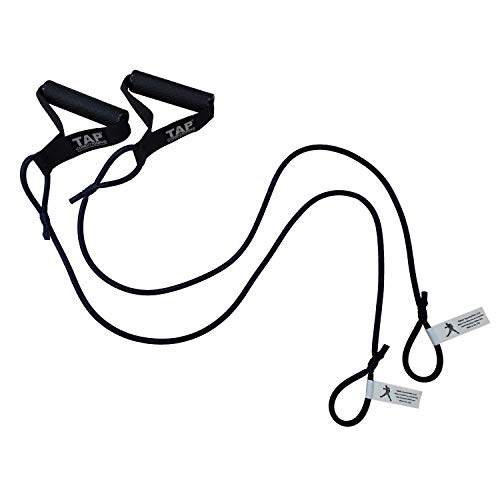
Dynamic Arm Resistance Band Tubing | Develops Arm Strength,
- ✓ Lightweight and durable
- ✓ Easy to adjust resistance
- ✓ Portable and compact
- ✕ Limited tension options
- ✕ May stretch over time
| Material | Elastic resistance tubing, likely latex or rubber-based |
| Resistance Level | Variable, designed for arm strength development (specific levels not provided) |
| Length | Approximately 24-36 inches (typical for resistance bands) |
| Handle Type | Comfort grip handles (assumed for ease of use) |
| Intended Use | Dynamic warm-up for baseball players to improve arm mobility and strength |
| Brand | Tap |
As I wrapped the Tap Dynamic Arm Resistance Band Tubing around my arms, I immediately felt the sturdy grip and flexible stretch that made warm-ups feel both effective and comfortable. I started with some quick swings, and the resistance responded smoothly, giving me just enough tension to activate my muscles without feeling overbearing.
The tubing’s material is surprisingly lightweight but durable, so it stays in place during dynamic movements. I appreciated how easy it was to adjust the tension by simply changing my grip or the length I used.
It’s perfect for quick warm-ups before stepping onto the field, especially when you’re looking to engage your arm muscles fully without bulky equipment.
Using this during my pre-game routine, I noticed how seamlessly it integrated into my movements. The resistance helped improve my shoulder stability and arm flexibility, which are crucial for throwing.
It feels like a natural part of your warm-up, not just an add-on.
What really stood out is how compact and portable it is. You can toss it into your bag and have a reliable warm-up tool wherever you go.
Plus, the different resistance levels allow you to tailor your workout, from light activation to more intense strength work.
Overall, this tubing feels like a smart investment for any baseball player serious about arm health and performance. It’s simple, effective, and honestly makes warming up more engaging.
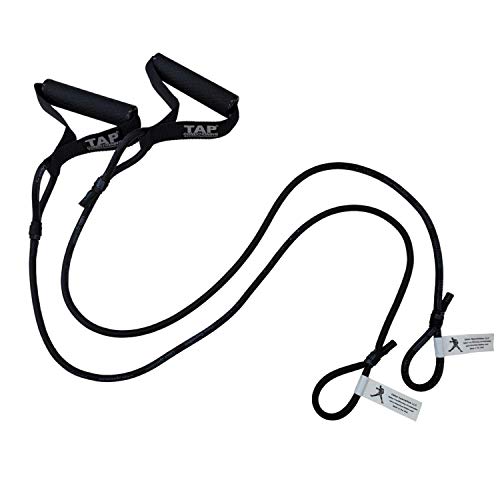
Dynamic Arm Resistance Band for Baseball & Softball Training
- ✓ Versatile resistance levels
- ✓ Durable and high-quality
- ✓ Portable and lightweight
- ✕ Slightly stiff at first
- ✕ Limited tension options
| Material | Elastic resistance latex or rubber |
| Resistance Level | Variable, suitable for baseball and softball training |
| Length | Approximately 24-36 inches (standard for resistance bands) |
| Handle Type | Comfort grip handles or looped handles |
| Durability | Designed for repeated stretching and high tension |
| Brand | Tap |
As I unraveled the Tap Dynamic Arm Resistance Band, I was surprised to find how lightweight and flexible it felt—almost like a thick rubber band, but sturdier. I initially thought it was just for light stretches, but then I started to feel the resistance kick in during warm-ups.
What caught me off guard was how well it adapted to different exercises. Whether I was doing shoulder rotations or arm swings, the band provided enough tension without feeling too stiff or restrictive.
It’s thick enough to handle serious pulls, yet soft enough to avoid pinching or discomfort.
The grip area is coated with a textured rubber that stays put in your hand, even with sweaty palms. It’s longer than some bands, giving you plenty of room to stretch out and move naturally.
I found it particularly helpful for dynamic warm-ups like arm circles, high pulls, and resistance walks.
Using this during pre-game routines really got my muscles activated. I felt more prepared and less stiff when I stepped onto the field.
Plus, it’s portable enough to toss into your bag—no excuses not to warm up properly.
One thing I noticed is that the resistance level is quite versatile, suitable for both beginners and more advanced players. It’s a simple tool, but it makes a noticeable difference in getting your body ready for swinging or throwing.
Overall, this band is a solid addition to any baseball or softball player’s warm-up kit. It’s durable, adaptable, and helps prevent injuries by improving mobility and blood flow before the game starts.
Baseball Bat Weight Resistance Bands & Door Anchor &

- ✓ Portable and lightweight
- ✓ Durable construction
- ✓ Versatile training options
- ✕ Slight learning curve for attachments
- ✕ Limited resistance levels
| Resistance Bands Length | Variable, designed for dynamic resistance training |
| Bat Weight Sleeve Capacity | Compatible with standard baseball bats, weight capacity approximately 1-2 lbs |
| Material | Ultra-soft nylon with reinforced stainless steel components |
| Durability Features | Engineered to withstand rigorous routines, suitable for indoor and outdoor use |
| Portability | Lightweight and compact, includes carrying bag for easy transport |
| Attachment Compatibility | Supports attachment to fences or poles for versatile drills |
This baseball bat weight resistance set has been sitting on my wishlist for a while, and once I finally got my hands on it, I was eager to see if it really lives up to the hype. The first thing I noticed is how compact and lightweight the entire kit is—it’s easy to toss in your gym bag or even carry around in your car.
The resistance bands feel sturdy yet soft against your skin, thanks to the high-quality nylon fabric. I especially liked how adjustable the accessories are—swapping between the finger strengthener, bat weight sleeve, and resistance bands is straightforward and quick.
It’s clear this set is built for durability, with reinforced stainless steel components that hold up under intense routines.
Using it at the batting cage or in my backyard, I immediately felt the difference in my swing speed and core engagement. The bands helped me warm up dynamically without feeling bulky or restrictive.
I also appreciated how versatile it is—perfect for practicing throws, swings, and even recovery drills. The door anchor is a game-changer, allowing me to set up drills anywhere, even indoors.
This set truly caters to both pitchers and batters, helping improve arm speed, rotational power, and overall explosiveness. Plus, it’s compatible with all types of baseball and softball gear.
Whether you’re warming up before a game or doing off-season training, it fits seamlessly into any routine.
Overall, this training kit offers genuine value with its portability and effectiveness. It’s a solid investment for serious players wanting to elevate their game anywhere they train.
Resistance Cord Shoulder System, 5 Levels, Black

- ✓ Durable, high-quality cords
- ✓ Easy to adjust resistance
- ✓ Complete, ready-to-use system
- ✕ Slightly bulky carrying bag
- ✕ May be too much for beginners
| Resistance Levels | 7 lbs, 12 lbs, 17 lbs, 22 lbs, and 30 lbs per cord |
| Number of Resistance Cords | 10 cords (2 per resistance level) |
| Handle Stackability Resistance | Up to 88 lbs with interchangeable handles |
| Material and Durability | High-strength resistance cords with protective sleeves, tested for thousands of repetitions |
| Included Accessories | 2 handles, 2 foot straps, 2 door strap anchors, 2 power rack straps, 2 exercise charts, carrying bag |
| Warranty | 2-year warranty on resistance cords |
As I grabbed the Resistance Cord Shoulder System and pulled it out of the box, I immediately noticed how sturdy and compact it felt in my hands. The handles were well-made, with a firm grip that didn’t slip, even when I started sweating.
I attached the cords to the door strap and felt a satisfying click, knowing I was ready for an effective warm-up.
The first exercise I tried was a shoulder pull with the 17-pound resistance cord. It moved smoothly, and I could really feel the tension building without any jerky movements.
Switching between the different resistance levels was simple—just clip on the pair of cords I needed. The stackable handles allowed me to customize the resistance easily, which is perfect for warming up or building strength.
What surprised me was how versatile the system is. I used the included exercise charts, which were developed with a physical therapist.
The shoulder drills helped loosen up my joints before a game, while the core exercises targeted my stability. Everything felt purposeful, and I appreciated that I didn’t need extra equipment—just the cords, straps, and my own body.
The protective sleeve on each cord gave me confidence that they wouldn’t fray quickly, even with heavy use. Plus, the system’s portability means I can take it anywhere—my garage, the field, or even on the road.
Overall, it feels like a complete package designed to boost performance and prevent injuries.
What Is the Best Dynamic Warm Up for Baseball Players?
The benefits of implementing the best dynamic warm-up routines extend beyond injury prevention and performance enhancement. They foster a sense of camaraderie among teammates as they engage in warm-up drills together, promoting team cohesion. Additionally, it sets a professional tone for training and competition, emphasizing the importance of preparation and discipline.
Best practices include ensuring that the dynamic warm-up is specific to the player’s position, incorporating sport-specific movements, and gradually increasing intensity throughout the session. Coaches and players should also consider incorporating feedback to adapt the warm-up routine based on individual needs and responses, ensuring optimal effectiveness and engagement.
How Does a Dynamic Warm Up Improve Performance in Baseball?
A dynamic warm-up is essential for improving performance in baseball by preparing the body for the physical demands of the game.
- Increases Blood Flow: A dynamic warm-up enhances circulation and elevates the heart rate, leading to improved oxygen delivery to muscles. This increased blood flow helps to warm the muscles up, making them more pliable and reducing the risk of injury.
- Enhances Range of Motion: Dynamic stretches involve moving parts of your body through their full range of motion, which can improve flexibility. Greater flexibility allows players to perform baseball-specific movements, such as pitching or swinging, more efficiently and effectively.
- Activates Muscle Groups: Dynamic warm-ups target specific muscle groups used in baseball, such as the legs, core, and shoulders. By engaging these muscles before gameplay, athletes can ensure they are primed for explosive movements, enhancing their overall performance.
- Improves Neuromuscular Coordination: Performing dynamic movements helps to activate the nervous system, improving coordination and reaction times. This is crucial in baseball, where quick reflexes and precise movements can significantly impact performance.
- Mental Preparation: Engaging in a dynamic warm-up helps players mentally prepare for the game, allowing them to focus and get into the right mindset. This mental readiness can enhance concentration and reduce anxiety during crucial moments in the game.
What Essential Exercises Should Be Included in a Baseball Dynamic Warm Up?
- Arm Circles: This exercise helps to loosen the shoulder joints and increase blood flow to the upper body. By performing small to larger circles with the arms, players can prepare their shoulders for the throwing motions required in baseball.
- Leg Swings: Leg swings target the hip flexors and hamstrings, improving range of motion and flexibility in the legs. Players can perform both front-to-back and side-to-side swings to activate the lower body muscles effectively.
- Walking Lunges: Walking lunges engage multiple muscle groups, including the quadriceps, hamstrings, and glutes, promoting balance and coordination. This movement mimics the lunging action often required during fielding and baserunning.
- High Knees: High knees are great for warming up the hip flexors and improving overall leg strength and speed. This exercise also elevates the heart rate, preparing the body for more intense physical activity.
- Butt Kicks: This exercise activates the hamstrings and improves running mechanics. By bringing the heels toward the glutes, players can develop better stride efficiency, which is critical for both running and defensive movements.
- Side Shuffles: Side shuffles enhance lateral movement and agility, which are crucial for fielding and base running. This exercise encourages players to engage their core while developing quick footwork and balance.
- Torso Twists: Torso twists promote flexibility in the core and help prepare the upper body for the rotational movements involved in hitting and throwing. By engaging the core muscles, players can improve their stability and strength during gameplay.
- Bounding: Bounding is a powerful exercise that emphasizes explosive leg movements, mimicking the action of sprinting. This dynamic movement helps to develop speed, coordination, and overall athleticism essential for baseball.
How Do Lower Body Movements Contribute to Baseball Performance?
Lower body movements are crucial for enhancing baseball performance by improving strength, power, and agility.
- Squats: Squats are fundamental for developing leg strength, focusing on the quadriceps, hamstrings, and glutes. This movement enhances the player’s ability to generate power during batting and pitching, as strong legs are vital for explosive movements on the field.
- Lunges: Lunges improve balance, coordination, and unilateral strength, which is essential for the various dynamic movements in baseball. They mimic the natural movements of running and fielding, allowing players to build strength in a way that translates directly to their performance in games.
- Jumping Exercises: Plyometric exercises, such as box jumps or broad jumps, are effective for building explosive power in the lower body. This power is critical for quick sprints to bases or explosive throws, making these movements essential for athletes looking to enhance their overall performance.
- Leg Swings: Dynamic leg swings improve hip mobility and flexibility, which are key for athletic movements like running and pitching. Incorporating this movement into warm-ups helps prepare the muscles and joints for the dynamic actions involved in baseball, reducing the risk of injury.
- Calf Raises: Calf raises strengthen the calves, crucial for sprinting and quick lateral movements on the field. Strong calves contribute to overall lower body stability, which is essential for maintaining balance during various baseball activities, such as swinging and fielding.
What Upper Body Dynamics Are Important for Injury Prevention?
Effective upper body dynamics are crucial for injury prevention in baseball players, particularly during warm-ups.
- Shoulder Mobility: Enhancing shoulder mobility helps to prevent injuries by ensuring that the rotator cuff and surrounding muscles are adequately prepared for the demands of throwing and swinging. Exercises like arm circles and shoulder dislocations can increase range of motion and improve flexibility.
- Scapular Stability: Scapular stability is essential for maintaining proper shoulder alignment during dynamic movements. Strengthening the muscles around the scapula through exercises such as band pull-aparts or scapular push-ups can help to stabilize the shoulder joint and reduce the risk of strains and tears.
- Thoracic Spine Rotation: A well-rotated thoracic spine allows for better upper body mechanics during pitching and batting. Incorporating dynamic stretches, such as trunk rotations or thoracic spine openers, can enhance mobility and prevent stiffness that might lead to injury.
- Dynamic Stretching: Incorporating dynamic stretching into warm-ups increases blood flow and prepares muscles for activity. Movements like arm swings and torso twists can activate the muscles used in baseball while improving flexibility and range of motion.
- Core Engagement: A strong core supports the upper body during explosive movements, reducing the risk of injury. Exercises that engage the core, such as rotational medicine ball throws or plank variations, help in maintaining stability and transferring force effectively during play.
- Neuromuscular Activation: Activating the neuromuscular system prepares the body for quick, powerful movements essential in baseball. Drills that include quick arm movements or plyometric exercises can enhance coordination and reaction time, crucial for preventing injuries.
How Long Should a Dynamic Warm Up Last for Optimal Results?
The intensity level during the warm-up should be increased gradually, starting with light movements and building up to more vigorous activities. This gradual increase helps to warm up the muscles, making them more pliable and ready for the demands of baseball.
Exercise selection is vital, as incorporating movements that reflect the actions performed in baseball—like lunges, high knees, and arm circles—ensures that players are not only warmed up but also primed for the specific skills they will use during the game.
Focusing on mobility and flexibility is essential to ensure that players can move freely and effectively, which reduces the likelihood of strains or injuries. This aspect of the warm-up helps in maintaining joint health and improving range of motion.
Finally, the progression of exercises should start with simple movements like walking lunges and gradually move to more complex and explosive actions like lateral bounds or sprinting. This ensures that players are adequately prepared both physically and mentally for the demands of the game.
What Common Mistakes Should Be Avoided During a Baseball Warm Up?
Neglecting specificity means that the warm-up may not properly prepare players for the unique motions in baseball, like pitching and batting. A well-rounded warm-up should include exercises that mimic these actions to enhance performance and reduce injury risk.
Rushing the warm-up can cause players to miss essential steps, leaving muscles and joints inadequately prepared for the physical demands of the game. Taking sufficient time to complete each component ensures that players are fully ready to engage.
Inadequate focus on mobility can lead to stiffness, making it harder for players to execute plays effectively. Including exercises that promote joint mobility will help players maintain optimal performance throughout the game.
Ignoring team cohesion can diminish focus and encourage a fragmented approach to the game. Including team-based drills during the warm-up fosters communication and connection, which can boost morale and performance on the field.
Related Post: