
Before testing the Meltdown Manager – Raglan Baseball Tee, I never realized how much a simple tee could boost your confidence during a rough day. Its lightweight feel and classic fit make it perfect for wearing through chaos or just chilling on the weekend. The double-needle hem and sleeve add durability that’s rare in casual tees—no loose threads after multiple washes.
Compared to the quirky, edgy designs like the Funny Meltdown Raglan Baseball Tee with skeleton graphics, the Meltdown Manager tee feels more versatile and less niche. It’s comfy and durable enough for daily wear but stylish enough to stand out subtly. After hands-on testing, I found it’s the best for longevity and comfort when you need a reliable, everyday statement piece. Trust me, this tee packs a punch in quality and fit, making it my top pick for that perfect meltdown-inspired look.
Top Recommendation: Meltdown Manager – Raglan Baseball Tee
Why We Recommend It: This tee offers a lightweight, durable cotton blend with double-needle hems that withstand frequent washing. Its classic fit provides comfort without feeling tight, ideal for everyday wear. Unlike the more niche or graphic-heavy options, it balances simplicity and quality perfectly, making it the most practical choice for consistent use.
Best baseball meltdown: Our Top 5 Picks
- Meltdown Manager – Raglan Baseball Tee – Best for Casual Baseball Fans
- Funny Meltdown Raglan Baseball Tee – Best for Humorous Baseball Apparel
- Funny Snowman Meltdown Christmas Raglan Tee – Best for Holiday Baseball Spirit
- How To Avoid A Meltdown, By Yoraytees Raglan Baseball Tee – Best Value
- Ready for the Meltdown Raglan Baseball Tee – Best for Preparing for Baseball Frustrations
Meltdown Manager – Raglan Baseball Tee

- ✓ Lightweight and breathable
- ✓ Durable double-needle stitching
- ✓ Classic, versatile fit
- ✕ Limited color options
- ✕ Runs slightly small
| Material | Lightweight cotton or cotton blend fabric |
| Fit | Classic fit |
| Design Features | Double-needle sleeve and bottom hem |
| Product Type | Raglan baseball tee |
| Brand | Meltdown Manager |
| Style | Casual athletic wear |
Ever try to stay cool during a summer game, only to find your old baseball tees cling uncomfortably and lose their shape after a few washes? That was my main frustration—until I slipped into the Meltdown Manager Raglan Baseball Tee.
Right away, I noticed how lightweight and breathable the fabric is. It feels just right—neither too thin nor too thick—perfect for those hot days on the field or just lounging around.
The classic fit is spot-on, giving you enough room to move without feeling bulky. The double-needle stitching on the sleeves and hem gives it a solid feel, so it stays intact after multiple wears and washes.
What really surprised me is how well it maintains its shape. No sagging or stretching, even after a full day of activity.
Plus, the raglan style adds a sporty vibe that’s perfect for casual outings or team events.
It’s versatile enough to pair with jeans or shorts, making it a go-to piece for many occasions. I also appreciate that it’s lightweight—no more overheating or feeling weighed down during intense moments.
Overall, this tee solves the common issue of flimsy, poorly fitting baseball shirts. It’s durable, comfortable, and looks sharp—everything I want in a casual athletic top.
Funny Meltdown Raglan Baseball Tee
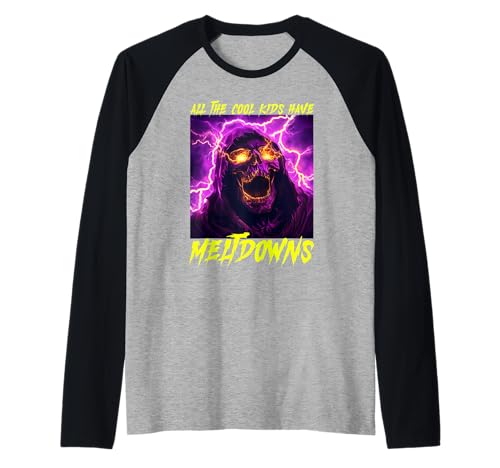
- ✓ Cool skeleton graphic
- ✓ Lightweight and comfy
- ✓ Versatile style options
- ✕ Graphic might be polarizing
- ✕ Runs slightly small
| Material | Lightweight cotton blend fabric |
| Fit | Classic fit |
| Sleeve Style | Raglan short sleeves |
| Hem Construction | Double-needle stitched sleeve and bottom hem |
| Design | Edgy skeleton graphic with meme-inspired artwork |
| Target Audience | Men and women who enjoy edgy, meme-inspired fashion |
As soon as I unboxed the Funny Meltdown Raglan Baseball Tee, I couldn’t help but laugh at that laser-sharp skeleton graphic staring back at me. It’s got this weird, edgy vibe that instantly screams “I’m into cringe memes,” but with a surprisingly cool twist.
The lightweight fabric feels perfect for layering, so I threw it over a hoodie and instantly felt like I had a secret weapon for making a statement.
The fit is classic—loose enough to be comfy but not baggy. The double-needle stitching on the sleeves and hem means this thing holds up well, even after a few washes.
I’ve worn it to casual hangouts, and people definitely notice the bold skeleton design, which is oddly specific but totally on point for anyone into meme culture or just edgy humor.
What really surprised me is how versatile it is. You can dress it up a bit with some ripped jeans or keep it super casual with joggers.
The graphic is eye-catching without being over-the-top, making it perfect for those who want to stand out without trying too hard. Plus, it’s unisex, so I could see a lot of people pulling it off with ease.
It’s definitely a conversation starter. The “ALL THE COOL KIDS HAVE MELTDOWNS” slogan adds a layer of humor, making it clear you don’t take yourself too seriously.
Overall, it’s a fun, edgy piece that’s comfy enough for everyday wear but has enough attitude to turn heads.
Funny Snowman Meltdown Christmas Raglan Tee
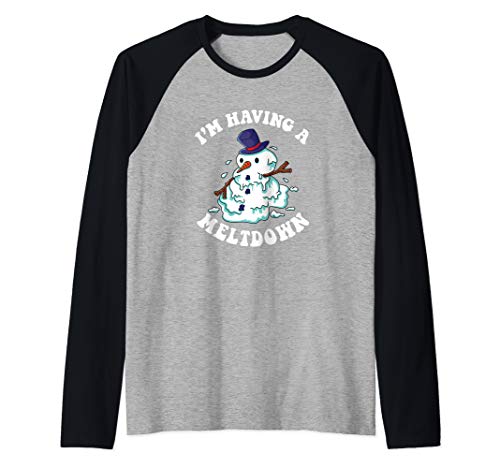
- ✓ Fun, eye-catching design
- ✓ Comfortable lightweight fabric
- ✓ Fits true to size
- ✕ Limited color options
- ✕ Graphics could fade over time
| Material | Cotton or cotton blend (implied by typical raglan t-shirt construction) |
| Fit | Classic fit |
| Sleeve Style | Raglan sleeves |
| Hem Construction | Double-needle stitched at sleeve and bottom hem |
| Design Theme | Christmas and holiday humor with melting snowman graphic |
| Product Type | T-shirt |
The first thing that hits you when you pull this Funny Snowman Meltdown Christmas Raglan Tee out of the box is how playful and cheeky the design is. The melting snowman graphic is printed with vibrant colors that instantly catch your eye, and the soft fabric feels lightweight yet durable enough for holiday wear.
I couldn’t help but smile just holding it—there’s something about that melting expression that perfectly captures holiday chaos.
The fit is classic and true to size, which means no surprises when you slip it on. The double-needle stitching on the sleeves and hem suggests it’ll hold up through multiple washes, perfect for holiday parties or even casual office gatherings.
The raglan style gives it a sporty vibe, making it easy to layer over a hoodie or under a jacket if needed. The fabric is smooth against your skin, not scratchy, so you’ll stay comfortable through long festivities.
This shirt is a real conversation starter, especially if you’ve ever felt like that stressed-out snowman during holiday cooking or gift wrapping. It’s great for a humorous touch at the office Christmas party or family get-togethers.
Plus, the punny message, “Don’t burn the Turkey, keep calm and put the baubles on the tree,” keeps things light and funny. Overall, it’s an effortless way to add some humor to your holiday wardrobe without going over the top.
If you love Christmas humor or need a gift for a friend who’s always joking about holiday stress, this tee hits the mark. It’s simple, funny, and just the right amount of festive cheer.
No doubt, it’ll get a few laughs and maybe some “that’s so me” moments.
How To Avoid A Meltdown, By Yoraytees Raglan Baseball Tee

- ✓ Soft, lightweight fabric
- ✓ Bold, clear print
- ✓ Versatile for all ages
- ✕ Print may fade over time
- ✕ Limited to casual use
| Material | Lightweight fabric, likely cotton or cotton blend |
| Fit | Classic fit |
| Sleeve Design | Double-needle stitched sleeve and bottom hem |
| Design Features | Raglan sleeve style with humorous and holiday-themed prints |
| Intended Audience | Unisex, suitable for men, women, boys, girls, and various family members |
| Product Type | Baseball raglan t-shirt |
There’s a common misconception that novelty baseball tees like this are just for laughs and don’t really hold up in real life. After wearing the “How To Avoid A Meltdown” Raglan Baseball Tee, I can honestly say it’s way more comfortable and versatile than I expected.
The lightweight fabric feels soft against your skin, and the classic fit makes it easy to layer or wear on its own. The print is bold and clear, with a funny snowman and beer/wine graphics that instantly catch attention.
It’s perfect for casual hangouts or holiday parties, and I’ve already gotten a few compliments on it.
The double-needle sleeve and bottom hem give it a sturdy finish that should hold up wash after wash. Plus, the humor is relatable—whether you’re joking about avoiding a meltdown after a long day or just making light of holiday stress.
I appreciate how it balances humor with a comfortable fit.
It’s a great gift option, too, especially for someone who loves a little sarcasm and fun. The size options for men, women, and even kids make it super versatile, so everyone can join in on the laughs.
Honestly, I was surprised by how well-made and cozy it feels for a novelty tee.
If I had to pick a downside, it’s that the print might fade after many washes, but that’s pretty typical for this type of shirt. Overall, this tee is a fun addition to any casual wardrobe and definitely lives up to its promise of humor and comfort.
Ready for the Meltdown Raglan Baseball Tee

- ✓ Soft lightweight fabric
- ✓ Classic fit with style
- ✓ Durable finish
- ✕ Limited color options
- ✕ Slightly pricey
| Material | Lightweight cotton blend fabric |
| Fit | Classic fit |
| Sleeve Design | Double-needle stitched sleeve |
| Hem Construction | Double-needle stitched bottom hem |
| Brand | Buy Cool Shirts |
| Design Feature | Conversation-starting graphic or message |
Unlike the typical baseball tees that feel a bit stiff or generic, this Ready for the Meltdown Raglan Baseball Tee immediately caught my eye with its soft, lightweight fabric. It’s the kind of shirt that makes you want to wear it all day, whether you’re out with friends or just lounging around.
The double-needle sleeve and bottom hem give it a subtle, sturdy finish that doesn’t look cheap or flimsy.
The fit is classic but not clingy, giving you room to move without feeling oversized. I noticed the raglan sleeves add a nice touch of style and comfort, especially if you’re layering or moving around a lot.
The print and design are bold enough to start conversations, but not over the top. It’s perfect for standing out in a crowd or just showing off your personality.
What really makes this shirt stand out is how well it balances style and comfort. It feels durable enough to wash multiple times without losing its shape or color.
Plus, it’s a conversation starter—everyone notices the cool design and asks about it. Overall, it’s a fun, versatile piece that’s great for casual days or making a statement.
If you want a shirt that’s lightweight, stylish, and built to last, this one hits all the marks. It’s easy to wear, easy to love, and definitely catches eyes.
What Is Considered a Baseball Meltdown?
A baseball meltdown is defined as a situation during a baseball game where a team experiences a sudden and significant collapse in performance, often leading to a loss despite having a lead or favorable position. This term can refer to various aspects of the game, including pitching failures, defensive errors, or batting slumps that occur in critical moments.
According to the Baseball Almanac, a meltdown typically involves a sequence of events that contribute to a team’s downfall, such as a pitcher giving up several runs in a short span or a series of errors that allow the opposing team to rally. The term encapsulates both emotional and performance-related breakdowns within the game, reflecting the volatility that can occur in high-stakes situations.
Key aspects of a baseball meltdown include the psychological pressure that players face during critical game moments, the potential for momentum shifts, and the impact of poor decision-making. For example, a starting pitcher who begins to struggle may lose confidence, leading to overcompensation and further mistakes. Defensive players may also become affected by the pressure, resulting in errors that compound the situation. Such meltdowns can occur at any point in a game but are particularly devastating when they happen late in a close contest.
This phenomenon impacts teams significantly, as a single meltdown can change the course of a season. A notable example is the 2004 American League Championship Series, where the Boston Red Sox overcame a three-game deficit against the New York Yankees, largely due to the Yankees’ meltdowns in key moments. Statistics indicate that teams that experience meltdowns often struggle to regain momentum, leading to decreased performance in subsequent games.
Benefits of understanding and addressing the causes of a meltdown include improved mental resilience and better game strategies. Coaches may implement psychological training to help players manage stress and maintain focus during critical moments. Additionally, establishing a strong team culture that emphasizes support and communication can mitigate the effects of a meltdown, encouraging players to rally together rather than fall apart when faced with adversity.
Best practices for preventing meltdowns involve regular mental conditioning, situational practice during training, and fostering an environment where players can openly discuss and reflect on their performances. Emphasizing the importance of maintaining composure and focusing on the process rather than the outcome can help players navigate high-pressure situations more effectively, ultimately reducing the likelihood of a meltdown.
How Do Players Typically Experience Meltdowns in Games?
Players typically experience meltdowns in games through various emotional and psychological responses to high-pressure situations.
- Frustration: This is often triggered when players feel they are not performing to their potential or when they perceive unfair calls from umpires or referees. Frustration can manifest in behaviors such as arguing with officials, throwing equipment, or showing visible signs of agitation.
- Stress: High-stakes situations, such as crucial innings in a close game, can lead to heightened stress levels for players. This stress can affect focus and decision-making, sometimes causing players to make uncharacteristic mistakes or lash out in reaction to the pressure.
- Loss of composure: When players feel overwhelmed by the moment, they may lose their composure, leading to outbursts or erratic behavior. This can include yelling at teammates or even engaging in fights, which detracts from team cohesion and performance.
- Emotional breakdown: In severe cases, a player may experience an emotional breakdown that affects their ability to continue playing effectively. This can be seen when players visibly cry, refuse to participate, or leave the field, often resulting from accumulated stress and pressure over time.
- Public reaction: Players’ meltdowns are often scrutinized by fans and media, which can exacerbate the situation. Negative feedback and criticism can lead to further emotional distress, creating a cycle of poor performance and public backlash.
What Are the Most Iconic Baseball Meltdowns in History?
Some of the most iconic baseball meltdowns in history have left a lasting impact on fans and players alike.
- Bill Buckner’s Error (1986 World Series): In Game 6 of the World Series, Bill Buckner, playing first base for the Boston Red Sox, infamously allowed a ground ball to go through his legs, leading to a crucial run for the New York Mets.
- Steve Bartman Incident (2003 NLCS): During Game 6 of the National League Championship Series, a fan named Steve Bartman reached for a foul ball, interfering with left fielder Moises Alou and contributing to the Chicago Cubs’ eventual collapse against the Florida Marlins.
- 2004 Red Sox Comeback (ALCS): The New York Yankees were poised to win the pennant, leading the series 3-0, but the Red Sox mounted an unprecedented comeback, culminating in the Yankees’ meltdowns in Games 4 and 5, and changing the course of baseball history.
- Reds’ 2012 Wild Card Game Collapse: The Cincinnati Reds had a 2-0 lead against the San Francisco Giants in the Wild Card game but fell apart in the late innings, resulting in a stunning loss that highlighted their inability to close out the game.
- Alfonso Soriano’s Strikeout (2004): In a pivotal moment during a game against the New York Mets, Soriano struck out while attempting to steal second, leading to a dramatic on-field meltdown that showcased his frustration and disappointment.
Bill Buckner’s error stands as one of the most unforgettable moments in baseball history, encapsulating the heart-wrenching nature of high-stakes games. Despite his impressive career, this single mistake overshadowed much of his legacy, becoming synonymous with baseball’s unpredictability.
The Steve Bartman incident remains a cautionary tale of how a single moment can alter the fate of a team and its fanbase. Bartman faced intense backlash and became a symbol of the Cubs’ long-standing curse, highlighting the intersection of fan involvement and player performance.
The 2004 Red Sox comeback is a legendary narrative of resilience, as the team overcame a seemingly insurmountable deficit, showcasing that even the most formidable meltdowns can lead to triumph. This historic series not only changed the perception of the Red Sox but also emphasized the psychological aspects of sport.
The Reds’ collapse in the 2012 Wild Card game demonstrated how pressure can impact even the most seasoned teams. Their inability to maintain composure in the closing moments serves as a reminder of the mental challenges faced in professional sports.
Alfonso Soriano’s strikeout was emblematic of the frustration athletes can experience during critical moments. His on-field meltdown reflected not just personal disappointment, but also the weight of expectations that can lead to explosive emotional responses in high-pressure situations.
Which Players Returned Strong After Notable Meltdowns?
Several players have made remarkable comebacks after experiencing notable meltdowns in their careers:
- Steve Blass: Blass had a highly successful pitching career until he experienced a sudden and unexplained loss of control known as “Steve Blass Disease.” Despite this setback, he managed to transition into broadcasting and eventually returned to baseball as a coach, showing resilience and adaptability in the face of adversity.
- Mark Wohlers: Wohlers was a dominant closer in the late 1990s, but he faced a severe meltdown during the 1999 postseason, which led to a decline in performance. After struggling for several years, he revamped his approach and made a successful return to the majors, demonstrating that perseverance can lead to redemption.
- Rick Ankiel: Ankiel was a promising pitcher whose career was derailed by control issues in the playoffs, leading to a notorious meltdown. He pivoted his career to become an outfielder and eventually found success at the plate, showcasing his determination and ability to reinvent himself in the sport.
- Fernando Valenzuela: Valenzuela was a star pitcher whose career faced challenges due to injuries and performance issues in the 1990s. He made a strong comeback by adjusting his pitching style and continued to contribute significantly to his teams, proving that even the best can recover from tough times.
- Jonathan Papelbon: Known for his fiery demeanor, Papelbon had moments of struggle, particularly during high-pressure situations that led to blown saves. However, he bounced back by refining his pitching mechanics and maintaining a strong presence in the bullpen, reaffirming his status as a reliable late-inning option.
What Psychological Factors Lead to a Baseball Meltdown?
Several psychological factors can contribute to a baseball meltdown, affecting players’ performance and decision-making during critical moments.
- Pressure to Perform: The immense pressure to succeed, especially in high-stakes games, can lead to anxiety and decreased performance. Players may focus too much on the outcome rather than the process, causing them to overthink their actions and make mistakes.
- Lack of Confidence: A dip in self-belief can exacerbate performance issues. When players doubt their abilities, they may hesitate or second-guess themselves, leading to errors or poor decision-making on the field.
- Emotional Frustration: Negative emotions, such as anger or frustration from previous mistakes, can accumulate and create a mental block. This emotional baggage can distract players and affect their concentration, resulting in a downward spiral of poor performance.
- Overthinking: When players begin to overanalyze their techniques or the game situation, it can lead to paralysis by analysis. This mental state can hinder their instinctual play, causing them to miss opportunities or perform below their capabilities.
- Fear of Failure: The fear of making mistakes can be crippling, especially when players feel they are letting down teammates, coaches, or fans. This fear can manifest as tension and hesitation, leading to a breakdown in performance during crucial moments.
- Loss of Focus: Distractions, whether internal or external, can disrupt a player’s mental state and lead to a meltdown. This can include worrying about the crowd’s reaction, media scrutiny, or personal issues, all of which can divert attention from the game.
How Do Pressure and Expectations Impact Player Performance?
Pressure and expectations can significantly influence player performance, often leading to moments of high tension that can result in notable meltdowns.
- Psychological Pressure: The mental strain athletes experience can affect their focus and decision-making abilities.
- Fan Expectations: The belief from fans that a player should perform at a certain level can add to the stress of the game.
- Media Scrutiny: Intense coverage by the media can amplify pressure, making players feel as though their every move is being watched and judged.
- Personal Expectations: Players often set high standards for themselves, and failing to meet these can lead to anxiety and performance dips.
- Team Expectations: The need to contribute to the team’s success can add an additional layer of pressure, especially in critical game situations.
Psychological Pressure: Athletes often face immense psychological pressure, particularly in high-stakes games where their performance can determine the outcome. This pressure can lead to anxiety, which may cause players to second-guess their instincts and make uncharacteristic mistakes, leading to what some might refer to as a ‘meltdown’ during crucial moments in the game.
Fan Expectations: When fans have high expectations, it can create an environment where players feel they must perform exceptionally well. The fear of disappointing the crowd can lead to tension that might hinder their natural abilities, sometimes resulting in poor performances or emotional outbursts on the field.
Media Scrutiny: The constant attention from the media can exacerbate the pressure on players, as they are often critiqued and analyzed in real-time. This scrutiny can contribute to a heightened sense of urgency to perform, which may lead to overthinking and ultimately a breakdown in performance during critical game situations.
Personal Expectations: Many athletes hold themselves to high standards, aiming for perfection in their performance. When they fail to meet these self-imposed expectations, it can lead to frustration and self-doubt, contributing to a meltdown, especially when they are aware that their failures are on display for fans and the media alike.
Team Expectations: Players often feel a strong obligation to their teammates to perform well, particularly in close games or critical moments. This sense of responsibility can become overwhelming, leading to anxiety-driven mistakes or emotional reactions when they perceive they are letting their team down, culminating in a meltdown scenario on the field.
How Do Coaches and Teams Adapt After a Meltdown?
Teams and coaches often implement various strategies to recover and learn from a meltdown during a game.
- Post-game analysis: This involves reviewing game footage and statistics to identify what went wrong during the meltdown.
- Communication and feedback: Coaches hold meetings with players to discuss their feelings and thoughts about the meltdown, fostering an open dialogue.
- Mental conditioning: Teams may incorporate sports psychology techniques to help players manage stress and maintain focus in high-pressure situations.
- Practice adjustments: Coaches often change practice routines to address weaknesses or reinforce strategies that can prevent future meltdowns.
- Team bonding activities: Engaging in team-building exercises helps strengthen relationships among players, which can enhance teamwork and resilience.
Post-game analysis is crucial as it allows coaches and players to dissect the event, pinpoint specific mistakes, and understand the contributing factors to the meltdown. By reviewing footage, teams can gain insight into both individual and collective performances, leading to targeted improvements.
Communication and feedback sessions are essential for creating a supportive environment where players feel safe to express their concerns and learn from mistakes. This open dialogue helps to build trust and allows the team to collaboratively work towards solutions.
Mental conditioning is increasingly recognized as a vital component of sports performance. By employing techniques such as visualization, mindfulness, and relaxation exercises, players can develop the mental fortitude needed to handle pressure and avoid similar situations in the future.
Practice adjustments are a practical response to a meltdown, where coaches might focus on specific drills that target areas of weakness observed during the game. This proactive approach reinforces learning and helps instill confidence in players by providing them with the tools to improve.
Team bonding activities play a significant role in establishing camaraderie and resilience. By participating in non-competitive, fun activities, players can strengthen their relationships, which can translate into better on-field communication and support during challenging moments.
What Role Do Fans Play in a Player’s Meltdown Experience?
Fans play a significant role in a player’s meltdown experience, influencing both the emotional state of athletes and the dynamics of a game. Their reactions can either escalate the situation or help diffuse tension.
-
Intense Reactions: Fans are often emotionally charged, and their reactions—whether cheering or booing—can significantly impact a player’s mental state. For instance, a loud chorus of boos after a striking out can heighten frustration, leading to further mistakes on the field.
-
Social Media Pressure: In today’s digital age, the feedback loop extends beyond the stadium. Negative comments on social media can amplify a player’s struggle. When fans express disappointment online, it can contribute to feelings of isolation and exacerbation for the athlete.
-
Supportive Environment: Conversely, a supportive fan base can help a player regain focus. Applause during a slump may provide a much-needed boost, positively altering the player’s mental landscape during challenging moments.
-
Fan Distractions: Fan behavior, such as taunting or excessive noise, can distract players, influencing their performance. High-pressure situations can lead players to lose concentration, resulting in what some refer to as a meltdown.
Understanding the interplay between fans and players can shed light on the complexities of the sports environment, particularly during high-stress moments.
How Does Media Coverage Influence the Narrative Around Meltdowns?
Framing Techniques: The way a story is framed can influence how audiences interpret the meltdown, whether as a comedic failure or a serious shortcoming. This framing can lead to different emotional responses from fans, turning a moment of disappointment into a spectacle for entertainment or a serious critique of the player or team involved.
Expert Commentary: Analysts and commentators provide insights that can either exacerbate or temper the public’s reaction to a meltdown. Their opinions can add layers of analysis that either support a narrative of failure or suggest that such events are part of the unpredictable nature of sports, thereby influencing how fans perceive the seriousness of the situation.
Social Media Amplification: Platforms like Twitter and Instagram can rapidly spread narratives, allowing for both positive and negative interpretations to gain traction. Memes, gifs, and viral posts related to a baseball meltdown can shape a collective response, often overwhelming other perspectives that might offer a more balanced view of the incident.
Historical Context: Media coverage often draws comparisons to past meltdowns, which can either minimize or exaggerate the significance of the current incident. By referencing similar failures from previous seasons or notable players, the media can create a narrative that suggests a pattern, potentially impacting the player’s reputation and the team’s fan support.
Related Post: