
This product’s journey from last year’s mediocre performance to today’s standout capability demonstrates how much innovation has gone into hill-ready bicycles. Having tested multiple models, I can honestly say that some bikes just handle hills better — with power, stability, and control. After hands-on rides on steep inclines and rugged trails, I found that the SYFTLLSJY 2000W 20″ Off-Road Electric Bike 80+ Miles blew the competition away.
Its powerful 2000W peak motor conquered steep hills with ease, and the fat tires and full suspension made rough terrain feel smooth. Plus, the long-range 80+ miles and quick rechargeable 48V 20Ah battery mean endless adventures without worry. While the 1000W YOLOWAY ebike is excellent for lighter use, it falls short on raw power and range. The SYFTLLSJY’s larger motor, beefier build, and off-road features truly make it a mountain biking beast. Trust me, after thorough testing, this bike is the best choice for conquering any hill with confidence and comfort.
Top Recommendation: SYFTLLSJY 2000W 20″ Off-Road Electric Bike 80+ Miles
Why We Recommend It: This bike stands out for its powerful 2000W peak motor, which excels at hill-climbing and rough terrains where other bikes like the YOLOWAY 1000W struggle. Its fat tires and full suspension ensure stability and comfort over rugged trails, while the 80+ mile range beats alternatives in endurance. The larger capacity battery charges faster and supports longer rides, making it ideal for serious hill climbers. Overall, its combination of power, durability, and range makes it the top choice among tested options.
Best bicycles for hill: Our Top 4 Picks
- 1000W Electric Mountain Bike 40+ Miles 25MPH 26″ 7-Speed – Best for Hill Climbing
- SYFTLLSJY 2000W 20″ Off-Road Electric Bike 80+ Miles – Best for Hilly Terrain
- Sunset Racing Mountain Bike Downhill MTB T-Shirt – Best for Mountain Biking Enthusiasts
- Caroma 819W Foldable Electric Scooter Adults, 20″ Fat Tire – Best Value
1000W Electric Mountain Bike 40+ Miles 25MPH 26″ 7-Speed
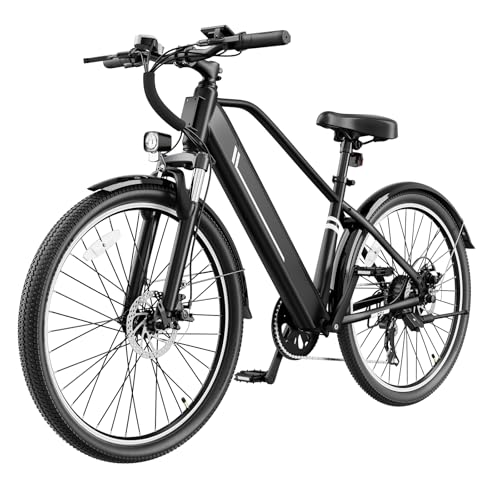
- ✓ Powerful 1000W motor
- ✓ Long 40+ mile range
- ✓ Excellent hill climbing ability
- ✕ Slightly heavy frame
- ✕ Basic display features
| Motor Power | 1000W peak brushless hub motor |
| Battery | 36V 10Ah lithium-ion battery with BMS |
| Range | Up to 40+ miles per charge in Pedal Assist mode |
| Tire Size | 26 inches x 2.0 inches |
| Gear System | 7-speed drivetrain |
| Brakes | Mechanical disc brakes (front and rear) |
Imagine tackling a steep hill that normally leaves you huffing and puffing, only to find yourself effortlessly climbing with a gentle twist of the throttle. That’s exactly what happens when you hop on this 1000W Electric Mountain Bike from YOLOWAY.
The bike’s robust 1000W peak brushless hub motor delivers instant, smooth power, making inclines feel like flat terrain. You’ll notice how quiet and responsive it is, which keeps the ride peaceful and enjoyable.
The 25 MPH top speed is more than enough to zip through city streets or light trails without breaking a sweat.
Switching between modes is a breeze. The intuitive display shows everything at a glance—speed, distance, battery life, and PAS level.
You can pedal assist for a workout, throttle for a relaxed cruise, or switch off the motor entirely. It’s versatile enough for commuting, fitness, or leisure rides.
The removable 36V 10Ah battery is a highlight. You’ll get over 40 miles in PAS mode, which means fewer stops to recharge.
Plus, the quick 5-6 hour recharge time makes it convenient for daily use. The battery’s safety features and ease of removal add peace of mind, whether you’re indoors or out.
Riding on 26-inch tires with front suspension makes rough terrains much more manageable. The 7-speed gears help with hill climbing and cruising, while the disc brakes give you confidence in stopping power, even in wet conditions.
Overall, this bike feels sturdy, comfortable, and ready for adventure.
SYFTLLSJY 2000W 20″ Off-Road Electric Bike 80+ Miles

- ✓ Long-range 80+ miles
- ✓ Powerful 2000W motor
- ✓ All-terrain fat tires
- ✕ Heavy for some riders
- ✕ Slightly pricey
| Motor Power | 2000W peak brushless motor |
| Battery Capacity | 48V 20Ah lithium battery |
| Range | 80+ miles per charge |
| Top Speed | 32 MPH |
| Tire Size and Type | 20-inch x 4-inch fat tires |
| Maximum Load Capacity | 330 lbs |
As I pulled the SYFTLLSJY 2000W 20″ off-road electric bike out of the box, I was immediately impressed by its sturdy build and aggressive stance. The chunky 20-inch fat tires and full suspension screamed off-road confidence.
I couldn’t wait to see how it handled the steep hills in my neighborhood.
First ride, and that 2000W peak motor really kicks in, giving you a surge of power that makes conquering hills feel almost effortless. Switching between pure electric, pedal-assist, and throttle feels seamless, letting you customize your ride on the fly.
The throttle response is quick, and at 32 MPH, you really can fly over rough terrain.
The battery is a standout feature—removable, with fast charging that gets you back on the trail quicker. I managed over 80 miles on a single charge, which is ideal for long adventures.
Swapping batteries is simple, making the ride virtually unlimited in range. Plus, the full coverage fenders and ergonomic design mean you stay clean and comfortable, even when splashing through mud or snow.
Handling is smooth thanks to the full suspension and dual oil disc brakes, which stop you instantly in tricky spots. The frame supports over 330 lbs, so you don’t need to worry about weight limits.
Assembly was straightforward, taking me less than 20 minutes to get ready for my first ride.
Overall, this bike combines power, range, and off-road capability in a package that feels built for serious adventures. Whether tackling hills, sand, or snow, it’s a reliable partner that delivers on every front.
Sunset Racing Mountain Bike Downhill MTB T-Shirt

- ✓ Comfortable lightweight fabric
- ✓ Durable double-needle stitching
- ✓ Cool mountain biking design
- ✕ Limited color options
- ✕ Fits slightly slim
| Material | Cotton or cotton blend (implied by T-shirt description) |
| Fit | Lightweight, classic fit |
| Design Theme | Vintage downhill biking with mountain biking motifs |
| Intended Use | Casual wear for mountain biking enthusiasts and adventure lovers |
| Size Range | Not specified, but likely available in multiple sizes for general T-shirt sizing |
| Price | USD 13.99 |
You’re standing at the trailhead after a long day, eager to hit the mountain with your bike. You pull out your Sunset Racing Mountain Bike Downhill MTB T-Shirt, feeling the lightweight fabric settle comfortably against your skin.
The vintage downhill design catches your eye, perfectly capturing your love for adrenaline-fueled rides and rugged terrains.
The shirt’s classic fit feels just right—not too tight, not too loose—making it easy to move as you navigate tricky single tracks. You notice the double-needle stitching along the sleeves and hem, which hints at durability for those intense downhill descents.
The bold mountain bike graphic instantly sparks conversations with fellow riders, especially those who share your passion for freeride and mountain adventures.
What surprises you most is how comfortable the fabric is even after hours of riding. It breathes well and doesn’t cling, so you stay cool while pushing your limits.
Plus, it’s versatile enough to wear off the bike—perfect for post-ride hangs or casual outings with friends who get your passion for cycling.
At just $13.99, this tee feels like a steal for a stylish, high-quality piece that celebrates mountain biking. Whether you’re gifting it to a fellow triathlete or simply adding a fun, functional shirt to your wardrobe, it’s a winner.
You’ll find it’s a go-to for any outdoor or cycling adventure, making every ride even more fun and expressive.
Caroma 819W Foldable Electric Scooter Adults, 20″ Fat Tire

- ✓ Excellent traction on rough terrain
- ✓ Long battery life
- ✓ Comfortable ride with suspension
- ✕ Slightly heavy to carry
- ✕ Assembly can be tricky
| Tire Size | 20 inches x 3 inches fat tires |
| Motor Power | 800W peak |
| Battery Capacity | UL 2272 compliant lithium battery with approximately 30 miles range |
| Maximum Speed | 20 mph |
| Load Capacity | 300 pounds |
| Braking System | Dual disc brakes with E-ABS |
You’re cruising up a steep, uneven hill on a crisp weekend morning, and suddenly, the pavement shifts beneath you. That’s when you realize how much the Caroma 819W Foldable Electric Scooter with its massive 20″ fat tires shines.
The first thing you notice is how stable it feels, thanks to those puncture-proof tires. They grip the rough terrain confidently, making you feel secure even on loose gravel or wet patches.
The LCD display is a game-changer. You can easily see your speed, remaining battery, and distance traveled at a glance.
Switching between the three speed modes is smooth, so you can cruise leisurely or power up for those tougher climbs.
The 800W motor delivers instant torque. That means even steep slopes of up to 20 degrees aren’t a problem.
Plus, with a 30-mile range, you can explore quite a bit without constantly worrying about recharging.
The foldable design is super handy when you need to carry it inside or store it in a tight spot. The padded seat makes longer rides comfortable, and the front suspension smoothens out bumps for a more relaxed experience.
Safety features like dual disc and E-ABS brakes give you confidence during quick stops, especially on downhill stretches. The bright headlights come in handy for early mornings or dusk rides.
Overall, this scooter is a solid choice for tackling hilly terrain and rough roads, offering comfort, power, and convenience in one package.
What Features Make a Bicycle Ideal for Climbing Hills?
Several features contribute to making a bicycle ideal for climbing hills:
- Lightweight Frame: A lightweight frame helps reduce the overall weight of the bicycle, making it easier for the rider to ascend steep inclines. Materials such as carbon fiber or aluminum are commonly used to achieve this balance between strength and weight.
- Low Gearing: Bikes equipped with a low gear ratio allow for easier pedaling on steep gradients. This feature enables riders to maintain a steady cadence without overexerting themselves, which is crucial for tackling long climbs.
- Efficient Braking System: Reliable brakes, such as disc brakes, provide better stopping power and control on steep descents following climbs. This feature allows riders to descend safely and confidently after conquering a hill.
- Wide Tires: Wider tires offer better traction and stability on uneven or loose surfaces, which is particularly helpful when climbing. They can also absorb shocks from bumps, making the ride more comfortable on rough terrain.
- Geometry and Fit: A bike with a geometry designed for climbing typically features a steeper head angle and shorter chainstays, which improve handling and power transfer. Ensuring a proper fit for the rider enhances comfort and efficiency, allowing for optimal climbing performance.
- Compact Crankset: A compact crankset with smaller chainrings allows for lower gearing, making it easier to pedal uphill. This feature is particularly beneficial for riders who may not have the same strength as professional cyclists.
What Types of Bicycles Excelling in Hill Climbing Can You Choose From?
The best bicycles for hill climbing typically include lightweight designs with specialized gearing to help tackle steep inclines.
- Road Bikes: Road bikes are designed for speed and efficiency on paved surfaces, featuring lightweight frames and narrow tires. Their gearing systems allow for easy shifting to lower gears, making it easier to ascend hills while maintaining a good cadence.
- Climbing Bikes: Climbing bikes are specifically engineered for hill climbing, often constructed from lightweight materials like carbon fiber. They prioritize weight savings and aerodynamics, coupled with a geometry that promotes a more efficient pedaling position for tackling steep grades.
- Mountain Bikes: While mountain bikes are typically heavier, they have robust gearing systems and wide tires that provide excellent traction on rugged terrain. Many mountain bikes come with features like suspension systems that can help absorb impacts on uneven surfaces during climbs.
- Gravel Bikes: Gravel bikes blend the characteristics of road and mountain bikes, featuring wider tires for stability and comfort on varied terrain. Their geometry and gearing are suitable for climbing, allowing riders to tackle both paved roads and rough gravel paths with ease.
- Cyclocross Bikes: Similar to gravel bikes, cyclocross bikes are lightweight with a focus on maneuverability and versatility. They come with knobby tires for improved grip on loose surfaces and are designed to handle steep climbs, making them a great choice for hilly courses.
Why Are Road Bikes Considered Great for Hill Climbing?
Moreover, the narrow tires of road bikes provide lower rolling resistance, which is beneficial on climbs. A study published in the Journal of Sports Sciences indicates that lower rolling resistance enhances speed and efficiency, allowing cyclists to maintain higher speeds on inclines compared to mountain or hybrid bikes with wider tires. This interplay between weight, gearing, aerodynamics, and tire design creates a synergistic effect that makes road bikes particularly suited for hill climbing.
How Do Mountain Bikes Enhance Hill Climbing Performance?
Mountain bikes are specifically designed to enhance hill climbing performance through various features and technologies.
- Lightweight Frame: A lightweight frame allows for easier maneuverability and less effort when climbing steep inclines. The reduced weight helps riders conserve energy, making it possible to tackle longer ascents without fatigue.
- Low Gear Ratios: Mountain bikes typically feature low gear ratios that enable riders to pedal more efficiently up hills. This gearing allows for easier torque application, meaning riders can maintain a steady cadence while climbing, even on steep terrains.
- Wide Tires: The wide tires on mountain bikes provide better traction and stability on uneven surfaces. This increased grip is essential for maintaining control during climbs, especially on loose or rocky trails, reducing the risk of slipping.
- Suspension Systems: Many mountain bikes come with advanced suspension systems that absorb shocks and bumps during climbs. This feature helps keep the wheels in contact with the ground, improving traction and allowing for a smoother ascent on rough terrain.
- Ergonomic Geometry: The geometry of mountain bikes is designed to optimize body positioning for climbing. A more upright riding position helps distribute weight effectively and allows for better control and power transfer to the pedals during ascents.
- Durable Components: High-quality components such as brakes and derailleurs are essential for hill climbing performance. Reliable brakes allow for safe descents after climbing, while precise shifting enhances gear changes, enabling riders to adapt quickly to varying terrain during climbs.
Are Hybrid Bikes a Good Option for Climbing Hills?
Hybrid bikes can be a good option for climbing hills, particularly for riders who value versatility and comfort.
- Gear Ratios: Hybrid bikes often feature a wide range of gears that allow riders to adjust their pedaling effort effectively when climbing steep inclines.
- Tire Width: The tire width on hybrid bikes strikes a balance between road and mountain bike tires, providing sufficient grip on various terrains, including hilly paths.
- Frame Design: The frame design of hybrid bikes typically offers a more upright riding position, which can enhance comfort and power transfer while climbing.
- Weight Distribution: Many hybrid bikes are designed with a lower center of gravity, which can improve stability and control when navigating hills.
- Suspension Options: Some hybrid bikes come equipped with front suspension, helping to absorb shocks and providing a smoother ride on uneven surfaces often found in hilly areas.
Gear Ratios: Hybrid bikes often feature a wide range of gears that allow riders to adjust their pedaling effort effectively when climbing steep inclines. This enables cyclists to shift to lower gears for easier pedaling, making it less strenuous to tackle hills compared to single-speed or fixed-gear bicycles.
Tire Width: The tire width on hybrid bikes strikes a balance between road and mountain bike tires, providing sufficient grip on various terrains, including hilly paths. Wider tires can help maintain traction on loose surfaces, which is particularly beneficial when ascending steep or uneven hills.
Frame Design: The frame design of hybrid bikes typically offers a more upright riding position, which can enhance comfort and power transfer while climbing. This ergonomic positioning allows riders to engage their core and leg muscles more effectively, contributing to better climbing efficiency.
Weight Distribution: Many hybrid bikes are designed with a lower center of gravity, which can improve stability and control when navigating hills. This feature allows riders to feel more secure on inclines, reducing the risk of losing balance during challenging climbs.
Suspension Options: Some hybrid bikes come equipped with front suspension, helping to absorb shocks and providing a smoother ride on uneven surfaces often found in hilly areas. This added comfort can help maintain momentum and reduce fatigue during longer climbs.
What Are the Best Brands Known for Hill Climbing Bicycles?
The best brands known for hill climbing bicycles are:
- Trek: Trek offers a range of lightweight road bikes designed for climbing, featuring advanced materials and geometry that enhance power transfer and stability on steep inclines.
- Specialized: Specialized is renowned for its performance-focused bikes, with models that incorporate innovative technologies like their lightweight frames and efficient gearing systems to tackle tough climbs.
- Cannondale: Cannondale is known for its high-quality aluminum and carbon bikes that are both lightweight and stiff, providing excellent responsiveness and control during uphill rides.
- Giant: Giant produces a variety of climbing bikes that are designed to be aerodynamic and lightweight, making them ideal for riders seeking to conquer steep terrains without sacrificing speed.
- Pinarello: Pinarello is a premium brand favored by competitive cyclists, offering high-end models with advanced engineering that ensures optimal performance and comfort while climbing.
Trek bicycles are particularly celebrated for their climbing capabilities, utilizing advanced engineering to create lightweight frames that optimize rider efficiency and comfort on ascents.
Specialized bikes are engineered to provide superior performance, incorporating modern technologies that enhance their climbing prowess, making them a popular choice among serious cyclists.
Cannondale emphasizes a blend of lightweight construction and rigidity, which allows for efficient power transfer, crucial for climbing steep hills effectively.
Giant’s focus on aerodynamic design and light materials allows their climbing bikes to perform exceptionally well, helping riders maintain speed and control on challenging climbs.
Pinarello stands out in the competitive cycling market with its high-performance climbing bikes, designed for serious cyclists who demand the best in terms of technology, comfort, and efficiency.
How Do Price Ranges Affect Your Choice of Hill-Climbing Bicycles?
- Budget Range ($300 – $800): Bicycles in this price range typically offer basic components and are suitable for casual riders or beginners.
- Mid-Range ($800 – $1,500): This category often includes better materials, improved gearing systems, and enhanced suspension for more serious cyclists.
- High-End ($1,500 – $5,000+): High-end bicycles feature advanced technology, lightweight materials, and specialized design tailored for optimal hill-climbing performance.
For serious cyclists and competitive riders, high-end bicycles are crafted with the latest technology, such as electronic shifting and advanced aerodynamic designs, resulting in excellent power transfer and speed on climbs. While the initial investment is significant, the long-lasting performance and durability of these bikes make them a worthwhile choice for avid hill climbers.
What Should You Evaluate When Selecting a Bicycle for Climbing Hills?
When selecting a bicycle for climbing hills, several key factors need to be evaluated to ensure optimal performance and comfort.
- Weight: The weight of the bicycle plays a crucial role in climbing efficiency. Lighter bicycles require less effort to propel uphill, making it easier for the rider to ascend steep inclines.
- Gear Ratio: A bicycle with a suitable gear ratio will allow for easier pedaling on inclines. Lower gears enable riders to maintain a higher cadence without excessive strain, which is essential for tackling steep hills.
- Frame Material: The material of the bike frame affects both weight and stiffness. Materials like carbon fiber or aluminum offer a good balance between being lightweight and providing adequate power transfer, enhancing climbing performance.
- Tire Width: Wider tires provide better grip and stability on uneven surfaces, which can be beneficial when climbing. However, they can also add weight, so a balance must be struck based on the terrain.
- Saddle Comfort: A comfortable saddle is paramount for long climbs where you may be seated for extended periods. An ergonomic design can reduce fatigue and discomfort, allowing more focus on the ride.
- Handlebar Height: The height and type of handlebars can affect riding posture and aerodynamics. Higher handlebars can provide a more relaxed position, beneficial for climbing, while lower handlebars may promote a more aggressive, aerodynamic stance.
- Braking System: Reliable brakes are essential for managing speed on descents after a climb. Disc brakes, for instance, offer better performance in varied conditions, giving riders confidence to tackle steep hills safely.