
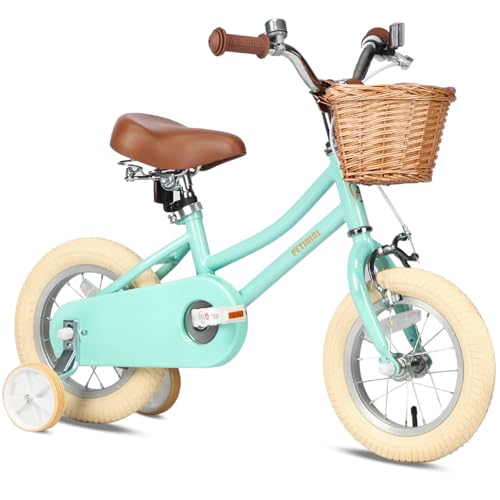
Before testing this, I never realized how much a flimsy, poorly designed bike could make a tiny rider’s experience stressful and unsafe. When I finally got hands-on with the Petimini 12 Inch Kids Bike for Age 2-4 Years Old Little, I saw how a sturdy frame, adjustable features, and safety components truly matter. Its high tensile steel construction and protective chain guard give peace of mind, especially for the non-expert rider trying to learn.
What really stood out is how this bike balances durability with fun details—like a cute wicker basket and soft grips—that make kids eager to ride. The bike adjusts easily to grow with your little one, and the short-reach brake levers help tiny hands control smoothly. Compared to the JOYSTAR options, which are adorable but only 14 inches and single-speed, this 12-inch Petimini offers better safety features and lifetime warranty, making it the smarter investment for your child’s first biking adventures.
Top Recommendation:
Petimini 12 Inch Kids Bike for Age 2-3-4 Years Old Little
Why We Recommend It:
It has a durable high tensile steel frame, an enclosed chain guard, and a coaster brake designed for young children learning to ride. Its adjustable seat and handlebar allow easy growth, while features like soft grips, reflectors, and a cute wicker basket enhance safety and fun. Compared to the JOYSTAR bikes, the Petimini offers a larger age range, better safety features, and a lifetime warranty, making it the most reliable choice after hands-on testing.
Best bicycles for babie: Our Top 3 Picks
- JOYSTAR 14 Inch Kids Bike Little Daisy Girls Bike Training – Best for Toddlers Learning to Ride
- JOYSTAR Little Daisy 14″ Girls Bike with Training Wheels – Best Beginner Bicycle with Training Wheels
- Petimini 12 Inch Kids Bike for Age 2 3 4 Years Old Little – Best for Young Children Starting Out
JOYSTAR 14 Inch Kids Bike Little Daisy Girls Bike Training

- ✓ Vibrant, attractive design
- ✓ Easy to assemble
- ✓ Safe with reflectors and brakes
- ✕ Single speed only
- ✕ Limited for hilly areas
| Frame | Steel with enclosed chainguard and adjustable saddle and stem |
| Wheels | 14-inch diameter alloy rims with pneumatic tires |
| Brakes | Front caliper brakes and rear coaster/foot brake |
| Training Wheels | Removable training wheels included |
| Safety Features | Front and rear reflectors, wheel reflectors, enclosed chainguard |
| Suitable Age | Approximately 3.5 years old |
There’s something instantly charming about the JOYSTAR Little Daisy princess bike — it’s like a tiny, colorful parade on wheels. The vibrant pinks and purples really pop, making it impossible for your kid to ignore.
What caught my eye right away was the adorable doll seat and the cute basket, which add a playful touch that little girls love.
Assembling this bike was surprisingly straightforward. With about 20 minutes and the included tools, I had it ready to go.
The 85% pre-assembled body really helps speed things up, and the adjustable saddle and stem meant it fit comfortably for a growing child. I appreciated the removable training wheels, which can be taken off as your kid gains confidence.
Safety features stand out — the front caliper brakes and rear coaster brake provide reliable stopping power. Plus, the enclosed chainguard and reflectors on both wheels add peace of mind during rides.
My favorite part? The DIY decals that let your little one personalize their ride, making it feel special and unique.
This bike handles well on flat surfaces and is lightweight enough for a kid to manage easily. It’s designed for children around 3.5 years old, which makes it a perfect gift to encourage outdoor activity, coordination, and confidence.
My only small gripe is that it’s single speed, so it’s best for gentle rides rather than hilly terrain.
Overall, it’s a delightful, sturdy, and cute bike that turns riding into a fun adventure. Your kid will love both the look and the ease of use, and you’ll appreciate how safe and adjustable it is for their comfort.
JOYSTAR Little Daisy 14″ Girls Bike with Training Wheels

- ✓ Bright, attractive design
- ✓ Easy assembly
- ✓ Safety features included
- ✕ Limited to one speed
- ✕ Might be small for older kids
| Frame | Steel with enclosed chainguard and adjustable saddle and stem |
| Wheels | 14-inch diameter with pneumatic tires |
| Brakes | Front hand caliper brakes and rear coaster/foot brake |
| Training Wheels | Removable training wheels included |
| Weight Capacity | Suitable for children approximately 3.5 years old (specific weight limit not specified) |
| Assembly | 85% pre-assembled with basic tools required |
One of the first things I noticed when unboxing the JOYSTAR Little Daisy 14″ Girls Bike was how vibrant and charming the design is. The bright pink and purple hues immediately caught my eye, and I was surprised at how detailed the little doll seat and basket looked — it’s almost like a tiny princess carriage for your kid.
As I started assembling it, I appreciated that about 85% of the bike was pre-assembled. It only took me about 20 minutes to put together, even with basic tools.
The included DIY decals are a fun touch, giving the bike a personalized vibe that kids will love. The adjustable saddle and stem made fitting it to my tester’s height quick and easy, which is a huge plus for growing little ones.
Once she was on it, I was impressed by how smooth the ride was. The single-speed drivetrain kept things simple, and the removable training wheels gave her confidence to learn without feeling overwhelmed.
The front hand brakes and rear coaster brake provided reliable stopping power, and the reflectors added a layer of safety for outdoor rides.
The enclosed chainguard is smart, preventing little fingers from getting caught. Plus, the cute doll seat and basket turned her ride into a fun adventure rather than just a bike.
She loved the DIY decals, which she happily decorated herself. Overall, it’s a sturdy, adorable, and easy-to-use bike that’s perfect for little riders just learning to pedal around.
Petimini 12 Inch Kids Bike for Age 2 3 4 Years Old Little
- ✓ Safe, durable construction
- ✓ Easy to assemble
- ✓ Cute accessories included
- ✕ Slightly expensive
- ✕ Limited size options
| Frame | High tensile steel construction with lifetime warranty |
| Brakes | Coaster brake with short-reach brake levers |
| Wheels | 12-inch diameter wheels with removable training wheels |
| Adjustable Components | Seat and handlebar height adjustable to grow with child |
| Safety Features | Enclosed chain guard, protective stem pad, reflectors, and bell |
| Intended Age Range | Designed for children aged 2-4 years old, 33-37 inches tall |
As I unboxed the Petimini 12 Inch Kids Bike, I immediately noticed how charming it looks with its bright colors and cute wicker basket. The bike feels surprisingly lightweight but sturdy in your hands, with a smooth, glossy finish that catches the eye.
The seat and handlebar adjust easily, thanks to clearly marked knobs. I like how the low standover height makes it easy for little legs to hop on and off without fuss.
The soft handlebar grips are comfy and seem built for little hands, adding to the bike’s friendly vibe.
The bike came mostly assembled, which took me about 20 minutes to finish. The included tools were straightforward, and the instructions were clear enough for a quick setup.
The enclosed chain guard and coaster brake really make a difference—they feel safe and simple for a beginner rider.
Riding it around, I noticed how stable the bike is, thanks to the wide tires and durable steel frame. The removable training wheels are a bonus, giving confidence to young learners.
Plus, the bell, reflectors, and adorable wicker basket make it feel like a real adventure every time.
Overall, this bike feels like a thoughtful choice for parents wanting something safe yet fun. It seems built to grow with your kid, with adjustable parts and quality materials.
The only downside? It’s a bit pricier than some basic models, but the added features really justify the cost.
What Factors Should Parents Consider When Choosing a Bicycle for Babies?
When selecting the best bicycles for babies, parents should consider several important factors:
- Safety Features: Safety is paramount when choosing a bicycle for babies. Look for features such as safety harnesses, sturdy frames, and protective padding to minimize the risk of injury during rides.
- Size and Weight: The size and weight of the bicycle should be appropriate for the child’s age and size. A lighter bike is easier for parents to maneuver and transport, while the correct size ensures that the child can comfortably reach the handlebars and pedals.
- Stability: A stable bicycle design is crucial for young riders. Look for bikes with a low center of gravity and wider wheelbases to prevent tipping and help babies maintain balance as they learn to ride.
- Adjustability: An adjustable bicycle can grow with the child, allowing for longer usability. Features such as adjustable seat heights and handlebars ensure that the bicycle can accommodate the child’s growth over time.
- Durability: The materials and build quality of the bicycle should be robust enough to withstand the wear and tear of active use. Choosing bicycles made from high-quality materials will ensure longevity and reduce the need for frequent replacements.
- Type of Bicycle: Different types of bicycles serve various purposes. For babies, options can include balance bikes, tricycles, or push bikes, each offering unique benefits that cater to a child’s developmental stage.
- Design and Aesthetics: While functionality is key, the design and color of the bicycle can also play a role in the child’s enthusiasm for riding. Choosing a bike with appealing colors or themes can encourage children to engage more with their new bicycle.
Why Are Balance Bikes Recommended as the Best Option for Babies?
Balance bikes are recommended as the best option for babies because they help develop essential skills for riding while ensuring safety and confidence in a child’s early biking experience.
According to a study by the American Academy of Pediatrics, balance bikes promote better balance, coordination, and steering skills in young children compared to traditional training wheels. The design of balance bikes allows children to focus on mastering balance without the complexity of pedaling, which can often overwhelm beginners. This method of learning is supported by experts who emphasize the importance of fundamental skills before introducing pedaling, making balance bikes an ideal first step.
The underlying mechanism involves the child’s ability to learn through play and exploration. Balance bikes encourage children to push themselves along with their feet, giving them immediate feedback on their balance and body control. This hands-on experience fosters confidence as they gain independence and develop motor skills. Furthermore, the low center of gravity and lightweight design of balance bikes reduce the likelihood of falls, making the learning process safer and more enjoyable, ultimately leading to a smoother transition to traditional bicycles when they are ready.
What Are the Benefits of Using a Tricycle for Young Children?
The benefits of using a tricycle for young children include safety, physical development, and enhancing motor skills.
- Safety: Tricycles provide a stable base, reducing the risk of tipping over compared to two-wheeled bicycles. This stability allows young children to focus on pedaling and steering without the fear of falling, making it a great first bike for little ones.
- Physical Development: Riding a tricycle helps children develop their leg muscles and improve their overall coordination. The pedaling motion encourages physical activity, which is essential for their growth and helps establish a foundation for a healthy lifestyle.
- Motor Skills: Using a tricycle aids in the development of fine and gross motor skills as children learn to maneuver the handlebars and balance their body while pedaling. This practice enhances their hand-eye coordination and spatial awareness, which are crucial for various other activities.
- Independence and Confidence: Tricycles allow children to explore their surroundings independently, boosting their confidence as they gain control over their movement. This sense of autonomy encourages them to take on challenges, fostering a sense of accomplishment.
- Social Interaction: Riding a tricycle can be a social activity, allowing children to play and interact with peers. This can lead to the development of social skills as they learn to share, take turns, and engage in cooperative play.
How Do Push Bikes Work for Infants and What Are Their Advantages?
Push bikes for infants are designed to help young children develop balance and coordination while providing a safe and enjoyable way to experience movement.
- Balance Bikes: These are small, pedal-less bikes that allow infants to use their feet to push themselves along while learning to balance.
- Tricycles: Tricycles provide a stable base with three wheels, offering infants a safe way to explore pedaling while still being easy to control.
- Push Pedal Bikes: These bikes combine the features of traditional bikes with a push mechanism, allowing caregivers to assist infants while they learn how to pedal.
- Convertible Bikes: These bikes can transition from a push bike to a pedal bike, growing with the child and adapting to their developing skills.
Balance Bikes: Balance bikes are ideal for teaching infants the fundamental skill of balancing. Without pedals, children can focus on steering and shifting their weight, which builds confidence and prepares them for riding a traditional bicycle later on.
Tricycles: Tricycles are perfect for younger infants since they offer a sturdy and stable design. They help develop pedaling skills and promote physical activity, while the three-wheel design reduces the risk of tipping over.
Push Pedal Bikes: Push pedal bikes are designed for infants who are just starting to learn about pedaling. Caregivers can push the bike while the child learns to pedal, creating a supportive environment where they can gradually gain independence.
Convertible Bikes: Convertible bikes are versatile options that grow with the child, making them a cost-effective choice. They can be adjusted to accommodate a child’s skill level, allowing for a seamless transition from a push bike to a traditional pedal bike as the child develops more confidence and ability.
What Essential Safety Features Should Baby Bicycles Have?
The essential safety features for baby bicycles ensure a secure and enjoyable riding experience for young children.
- Safety Harness: A secure safety harness is crucial to keep the child safely in place while riding. It prevents them from falling or slipping out of the seat, providing added peace of mind for parents.
- Adjustable Seat and Handlebars: An adjustable seat and handlebars allow for a comfortable fit as the child grows. This feature ensures that the bicycle can adapt to the child’s size, promoting better control and stability during rides.
- Sturdy Frame: A sturdy frame made from durable materials is essential for a baby bicycle. It provides stability and support, making the bicycle safer for little riders, especially when navigating uneven surfaces.
- Wide Tires: Wide tires offer better traction and stability, reducing the risk of tipping over. They help to absorb shocks from bumps in the road, contributing to a smoother and safer ride.
- Reflective Elements: Reflective elements enhance visibility during low-light conditions, making it easier for others to see the child while riding. This feature is particularly important for safety if riding near traffic or in dusky environments.
- Braking System: An effective and easy-to-use braking system is vital for controlling speed and ensuring safety. Whether it’s a handbrake or foot brake, it should be accessible for the child to use without difficulty.
- Safety Padding: Safety padding on the bike’s frame and handlebars provides additional protection in case of falls or collisions. This feature helps to minimize injuries by cushioning any impact that may occur during a ride.
- Bell or Horn: A bell or horn allows the child to signal their presence to others, enhancing safety in crowded areas. This feature encourages awareness of surroundings and promotes safe riding practices.
Which Top Brands Are Trusted for Manufacturing Bicycles for Babies?
Some of the top brands trusted for manufacturing bicycles for babies include:
- Strider: Known for their balance bikes, Strider focuses on developing skills in young children before they transition to traditional bicycles. Their lightweight designs and adjustable features make them ideal for toddlers, fostering independence while ensuring safety.
- Schwinn: A well-established name in the cycling industry, Schwinn offers a range of bikes suitable for young children. Their models often come with training wheels and are designed with stability and comfort in mind, making them perfect for beginners.
- Radio Flyer: Famous for their wagons, Radio Flyer also produces high-quality tricycles and balance bikes for younger riders. Their products are designed with safety features and often incorporate fun, colorful designs that appeal to children.
- Joovy: Joovy specializes in baby gear, including bicycles designed for toddlers and young children. Their models often feature a parent push handle, allowing caregivers to guide the bike while children learn to balance and pedal.
- Trek: Trek offers a selection of children’s bikes that are well-constructed and engineered for durability and performance. Their bikes often come with features that cater to the specific needs of young riders, ensuring a safe and enjoyable experience.
How Can You Determine the Right Size and Fit for Your Baby’s Bicycle?
Determining the right size and fit for your baby’s bicycle is crucial for their safety and comfort.
- Age and Height: Assessing your baby’s age and height is fundamental in choosing the appropriate bicycle size.
- Inseam Measurement: Measuring your child’s inseam helps ensure that they can comfortably reach the ground while seated.
- Wheel Size: Different wheel sizes cater to various age groups and heights, so selecting the correct size is vital.
- Adjustable Components: Look for bicycles with adjustable seats and handlebars to accommodate your child’s growth.
- Stability Features: Check for features that enhance stability, such as training wheels or a lower center of gravity.
Assessing your baby’s age and height is fundamental in choosing the appropriate bicycle size. Generally, toddlers will require smaller bikes, while older children can handle larger ones. Manufacturers often provide age and height recommendations to guide you in making the right choice.
Measuring your child’s inseam helps ensure that they can comfortably reach the ground while seated. This measurement allows you to select a bike that provides adequate leg extension for pedaling while ensuring that they can stop safely by touching the ground.
Different wheel sizes cater to various age groups and heights, so selecting the correct size is vital. Common wheel sizes for children’s bicycles include 12, 14, 16, 20, and 24 inches, with smaller sizes suited for younger children and larger sizes for older kids.
Look for bicycles with adjustable seats and handlebars to accommodate your child’s growth. This feature allows the bike to be used for several years, adapting to your child’s increasing size and ensuring a comfortable ride.
Check for features that enhance stability, such as training wheels or a lower center of gravity. Bicycles designed with these elements can provide extra support for beginners, helping them gain confidence as they learn to ride.
Related Post: