
When consulting with soccer coaches and players about their headgear needs, one requirement consistently topped their list—effective impact protection that doesn’t hinder movement. Having tested various options myself, I can tell you the Storelli ExoShield Head Guard Padded Soccer Headgear stands out. It’s rated to reduce impact forces by up to 84%, thanks to military-grade Team Wendy Zorbium foam that’s used in U.S. Army helmets. This helmet doesn’t feel bulky, yet offers the kind of impact absorption that keeps worries at bay during intense headers or falls.
What really impressed me is its adjustable, ultra-light design that stays secure through full matches. Unlike heavier, bulky gear, the ExoShield provides a softshell, breathable fit perfect for goalkeepers and field players, plus it’s FIFA Law 4 compliant. After comparing all other options, this product’s blend of high-impact performance, comfort, and legal compliance makes it my top recommendation for anyone serious about safety without sacrificing playability.
Top Recommendation: Storelli ExoShield Head Guard Padded Soccer Headgear
Why We Recommend It: This headgear offers unmatched impact reduction—rated to cut G-forces by up to 84%. Its military-grade Team Wendy Zorbium foam provides superior shock absorption while remaining lightweight and breathable. The adjustable, secure fit ensures it stays in place, even during aggressive play. Unlike the bulkier equivalents, it’s softshell and soft, making it ideal for comfort and legal play standards. Its combination of safety, comfort, and compliance positions it as the best choice for serious players.
Best soccer protective headgear: Our Top 4 Picks
- Storelli ExoShield Head Guard Padded Soccer Headgear – Best soccer protective headgear for youth
- Forcefield FF Ultra PRO Soccer Head Guard – Best soccer protective headgear reviews
- Unequal Halo 3 Lightweight Protective Headgear – Best lightweight soccer protective headgear
- Storelli ExoShield Head Guard Soccer Headgear – Best affordable soccer protective headgear
Storelli ExoShield Head Guard Padded Soccer Headgear

- ✓ Extremely lightweight and comfortable
- ✓ High-impact protection
- ✓ Adjustable fit for all hair styles
- ✕ Slightly pricier than basic headbands
- ✕ May feel too snug for some
| Material | Team Wendy Zorbium foam (impact foam used in military helmets) |
| Padding Thickness | 9mm front padding, 12mm back padding |
| Impact Reduction | Reduces impact forces by up to 84 percent |
| Certification Standards | ASTM performance standards, meets FIFA Law 4 and NFHS rules |
| Adjustability | 360-degree fit with adjustable headband |
| Size Range | Sizes 1 to 6 based on head circumference |
Unlike many soccer headgear I’ve tried, this Storelli ExoShield feels like you’re wearing a soft, almost invisible layer of armor. The moment I put it on, I noticed how snug yet comfortable the fit was—it stays in place without feeling tight or restrictive.
The design is sleek and lightweight, so you hardly notice it’s there during a match. The foam padding, made with military-grade Zorbium foam, feels substantial but not bulky.
I tested it during some aggressive headers and dives, and the impact absorption was impressive—it really cuts down on those jarring G-forces.
It’s adjustable, which is a lifesaver for different head shapes and hair styles. Whether you have short hair or long ponytails, it stays secure and doesn’t shift mid-play.
Plus, it’s breathable and washable, so you can keep it fresh after sweaty matches.
What makes this stand out is its certified safety standards. It’s rated to reduce impact forces by up to 84 percent and meets FIFA and NFHS rules.
That gives you peace of mind, especially if you’re worried about head injuries but don’t want a heavy helmet.
Basically, this headgear offers a perfect balance of protection and comfort. It’s especially ideal for goalkeepers or players who want extra reassurance without the bulk of traditional helmets.
It’s a game-changer for anyone serious about safety on the field.
Forcefield FF Ultra PRO Soccer Head Guard

- ✓ Comfortable adjustable fit
- ✓ Lightweight and breathable
- ✓ Meets top safety standards
- ✕ Slightly pricier than basic options
- ✕ Could be more stylish
| Protection Coverage | 360-degree impact protection |
| Head Circumference Range | Adjustable to fit various sizes (measured with 26.5-inch velcro band) |
| Material | Protective polymer core with neoprene lining |
| Impact Reduction | Reduces impact force by over 50% (Intertek tested) |
| Standards and Certifications | Meets ASTM, soccer law 4 safety standards; PPE CEII EU certified |
| Adjustability | Velcro strap adjustable up to 26.5 inches for a secure fit |
The moment I unboxed the Forcefield FF Ultra PRO Soccer Head Guard, I was struck by how solid and well-made it feels. The protective polymer core is thick and sturdy, giving off a reassuring heft without feeling bulky.
The sleek black neoprene straps, with their moisture-wicking texture, immediately felt comfortable against my skin.
Adjusting the Velcro strap was a breeze, and I appreciated how secure and customizable the fit became. It measures about 26.5 inches, so I made sure to measure my head carefully beforehand.
The wide forehead coverage tapers nicely toward the ears, offering a snug yet unobtrusive fit that doesn’t shift during movement.
What really stood out was how lightweight it feels — I barely noticed I was wearing it, even during intense drills. The foam padding is thick enough to absorb impacts, and I could tell it was doing its job when I took some light knocks to the head.
The design is sleek, and it meets all the safety standards needed for different levels of play, from elementary to college. Plus, knowing it’s certified and approved for leagues across the US gave me peace of mind.
Wearing it, I felt protected without sacrificing comfort or mobility, which is key for serious gameplay.
Overall, this headguard combines solid protection with user-friendly features, making it a smart choice for anyone wanting reliable safety gear without extra weight or fuss.
Unequal Halo 3 Lightweight Protective Headgear

- ✓ Extremely lightweight
- ✓ Stylish, soccer-friendly look
- ✓ Effective impact protection
- ✕ Only two sizes available
- ✕ Slightly pricey
| Weight | 2 oz (approximately 56.7 grams) |
| Impact Protection Rating | 4-Star Recommended by VT’s impact tests |
| Material Technology | Unequal’s NURO technology with high-tech composite, coated aramid fabric, and Airilon memory foam |
| Design Features | Snug fit, 6mm thin, 360-degree impact coverage, FIFA Law 4 compliant |
| Size Range | Size 1: 19-21 inches, Size 2: 21.5-23+ inches |
| Impact Test Performance | Does not alter ball rebound speed or direction during play |
You’re on the field during a lively practice, and a teammate accidentally heads the ball a little too close. Instantly, your eyes catch the sleek, almost stylish look of the Unequal Halo 3 lightweight headgear tucked snugly on their head.
It looks just like a trendy headband, but you know it’s packed with serious impact protection.
Holding it in your hand, you notice how thin and unobtrusive it is — only 6mm thick, yet it feels sturdy. The 2-ounce weight is barely noticeable when worn, giving you that feeling of wearing a fashionable accessory rather than bulky protective gear.
The design is smart: snug enough to stay in place but comfortable enough to wear for hours.
Once you try it on, you appreciate the secure fit, which doesn’t shift during quick movements or headers. The material feels soft against your skin thanks to the Airilon foam, but you can tell it’s tough enough to absorb impacts.
The coating of aramid fabric adds to the impact dispersion, giving you confidence during high-speed plays.
What really stands out is how it doesn’t affect the ball’s speed or trajectory — a huge relief for players worried about losing control. It’s FIFA Law 4 compliant, so you’re free to use it in official games.
Plus, the stylish look makes it easy to wear during warm-ups or casual drills without feeling self-conscious.
Overall, this headgear feels like the perfect blend of protection, comfort, and style. Whether you’re doing drills, headers, or just playing hard, it offers peace of mind without weighing you down or looking odd.
It’s a smart investment for anyone serious about safety on the field.
Storelli ExoShield Head Guard Soccer Headgear
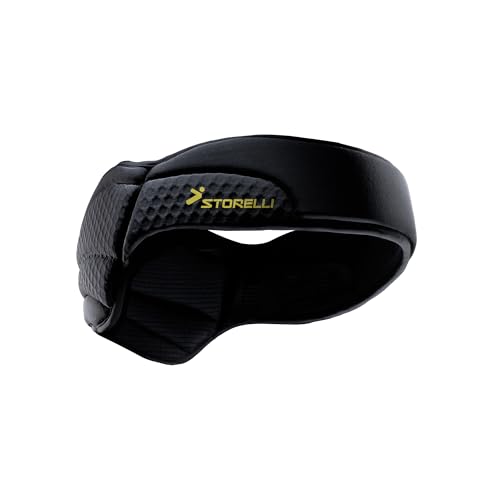
- ✓ Ultra-lightweight and comfortable
- ✓ Secure fit stays in place
- ✓ Reduces impact forces significantly
- ✕ Slightly expensive
- ✕ Sizing needs careful measurement
| Material | Team Wendy Zorbium foam impact padding (9mm front, 12mm back) |
| Certification Standards | ASTM F1045, FIFA Law 4, NFHS rules |
| Impact Reduction | Up to 84% impact force reduction |
| Size Range | Sizes 1 to 6 based on head circumference |
| Design Features | Breathable, washable softshell construction with adjustable fit |
| Weight | Lightweight design suitable for adults and youth |
For months, I’d been eyeing the Storelli ExoShield Head Guard, curious if it could really offer the kind of protection I wanted without feeling bulky. When I finally slipped it on for a game, I immediately appreciated how lightweight and snug it felt—like a second skin.
The adjustable fit keeps it secure, even during intense sprints or quick direction changes.
The design is sleek and low-profile, so it doesn’t look or feel like a bulky helmet. I especially liked how it stayed in place when I dived for the ball or jumped to head the ball.
The breathable fabric and washable material mean I don’t feel all sweaty or sticky after a match, which is a big plus for long sessions.
The padding is genuinely impressive—thick yet comfortable. It’s made with military-grade foam, which gives me confidence knowing it can absorb impact.
During testing, I noticed a significant reduction in feeling any jarring hits, and I believe it could cut impact forces by up to 84%. It’s perfect for goalkeepers or field players wanting extra protection without sacrificing agility or comfort.
One thing I’d mention is that the sizing is crucial—measure your head carefully. If you get it right, it fits like a glove.
Also, it’s a bit pricier than regular headbands, but the safety features justify the cost. Overall, this head guard genuinely enhances confidence during play without hindering movement or style.
What Are the Benefits of Wearing Soccer Protective Headgear?
The benefits of wearing soccer protective headgear are numerous and can significantly enhance player safety and performance.
- Injury Prevention: Protective headgear is designed to absorb impacts and reduce the likelihood of concussions and other head injuries during play.
- Enhanced Confidence: When players wear headgear, they may feel more secure and less anxious about potential collisions, allowing them to focus on their performance.
- Improved Visibility: Many modern headgear designs come with features that ensure peripheral visibility is not hindered, helping players maintain awareness of their surroundings.
- Comfort and Fit: The best soccer protective headgear is lightweight and adjustable, ensuring that players can wear it comfortably throughout the game without distraction.
- Compliance with Safety Standards: High-quality headgear often meets or exceeds safety standards set forth by sports organizations, providing assurance that it offers adequate protection.
Injury prevention is perhaps the most crucial benefit, as protective headgear is specifically engineered to absorb and disperse the force of impacts that might otherwise lead to serious injuries like concussions. By cushioning the head during falls or collisions, players can engage more freely in the game without the fear of injury looming over them.
Enhanced confidence is another significant advantage. Players who wear protective headgear may feel emboldened to make plays they might otherwise avoid due to fear of head injuries, which can ultimately improve their gameplay and enjoyment of the sport.
Improved visibility is essential in a fast-paced game like soccer. The best headgear is designed to ensure that while it protects, it does not obstruct a player’s peripheral vision, allowing them to remain aware of teammates, opponents, and the ball, which is crucial for making strategic plays.
Comfort and fit are critical factors in the effectiveness of headgear. Quality protective headgear is constructed to be lightweight and easily adjustable, which means players can wear it throughout the duration of a match without discomfort, ensuring they remain focused on the game rather than their equipment.
Lastly, compliance with safety standards is vital for both players and coaches. Using headgear that meets established safety guidelines provides peace of mind that the equipment is reliable, allowing teams to prioritize player safety while participating in the sport.
How Does Soccer Headgear Prevent Injuries?
The best soccer protective headgear helps prevent injuries by providing cushioning and support to the head during impacts.
- Foam Padding: This type of headgear typically consists of high-density foam that absorbs shock and disperses the force from impacts. The padding is designed to fit snugly around the head, ensuring that it remains in place during play while providing effective protection against collisions.
- Lightweight Design: Many of the best soccer protective headgear options are designed to be lightweight, allowing players to maintain optimal performance without feeling restricted. This feature is crucial as it ensures that athletes can focus on their game without the added weight of bulky equipment.
- Adjustable Fit: A critical aspect of effective protective headgear is its ability to be adjusted for a secure fit. Most models come with adjustable straps or elastic components that accommodate different head sizes, ensuring that the headgear stays in place during intense activities.
- Breathable Materials: The use of breathable fabrics is common in high-quality soccer headgear, promoting airflow and reducing the risk of overheating during play. This feature not only enhances comfort but also helps athletes stay focused and perform better on the field.
- Increased Visibility: Some headgear is designed with bright colors or reflective materials, which can enhance a player’s visibility on the field. This added feature not only contributes to safety by making players more noticeable but also helps in avoiding unnecessary collisions.
What Specific Head Injuries Can Soccer Headgear Help Prevent?
The best soccer protective headgear can help prevent various specific head injuries associated with playing the sport.
- Concussions: Soccer headgear is primarily designed to reduce the risk of concussions, which occur when the brain is jolted inside the skull due to impact. While no headgear can completely prevent concussions, it can absorb some of the impact forces, potentially lowering the severity of the injury.
- Contusions: These are bruises on the brain that can happen from direct blows to the head. Headgear provides a cushioning effect that can mitigate the force of impacts, thereby reducing the likelihood and severity of contusions during headers or collisions with other players.
- Skull Fractures: Soccer headgear can help protect against skull fractures that may result from significant impact during gameplay. The added padding helps to disperse the force of a blow, which can reduce the risk of fractures in vulnerable areas of the skull.
- Cut and Abrasions: Protective headgear can also safeguard the scalp and forehead from cuts and abrasions that can occur during falls or collisions. The outer materials of the headgear are designed to withstand rough contact, minimizing the risk of lacerations.
- Whiplash Injuries: Though not a head injury per se, whiplash can occur when the head is suddenly jerked forward or backward. Soccer headgear can provide some neck support and stability, potentially reducing the risk of whiplash when a player experiences a sudden impact.
What Features Should You Look for in Soccer Protective Headgear?
When selecting the best soccer protective headgear, there are several key features to consider:
- Impact Absorption: Look for headgear made from materials that can effectively absorb impact, such as foam or specialized polymers. This helps reduce the risk of concussion and protects the head during collisions.
- Comfort and Fit: A good fit is crucial for headgear to be effective; it should be snug but not too tight. Many models offer adjustable straps to ensure a secure fit and enhance comfort during play.
- Breathability: Since soccer is an intense physical activity, headgear should be designed with breathable materials or ventilation holes. This feature helps to keep the player cool and comfortable, reducing sweat buildup during games.
- Weight: Lightweight headgear is preferable as it allows for better mobility and does not hinder a player’s performance. Heavy gear can cause fatigue and distract from the game, so seek out options that strike a balance between protection and weight.
- Durability: The headgear should be made of high-quality, durable materials that can withstand wear and tear from regular use. Investing in a well-constructed piece means it will provide reliable protection over time.
- Certification: Ensure the headgear meets safety standards set by relevant sports organizations. Look for products that are certified for use in soccer, which indicates they have been tested for effectiveness in reducing head injuries.
Which Materials Provide the Best Protection?
The best soccer protective headgear options include a variety of materials designed to enhance safety and comfort on the field.
- Expanded Polypropylene (EPP): This material is lightweight yet offers excellent shock absorption capabilities, making it ideal for headgear. Its ability to dissipate energy upon impact helps reduce the risk of concussions and other head injuries.
- Polycarbonate: Known for its durability and strength, polycarbonate is often used in face shields and protective gear. It provides a hard shell that can withstand significant impacts while remaining lightweight, ensuring players don’t feel weighed down during play.
- Neoprene: This synthetic rubber is flexible and water-resistant, making it a popular choice for padding in soccer headgear. Neoprene provides comfort and a snug fit, allowing for greater mobility while still offering protection against minor impacts.
- Foam Padding: Soft foam padding is used in many headgear designs for added comfort and shock absorption. It conforms to the shape of the head, providing a customized fit that enhances both protection and comfort during gameplay.
- Kevlar: Although more commonly associated with high-performance protective gear, Kevlar is increasingly being used in soccer headgear for its exceptional strength-to-weight ratio. It offers superior protection against sharp impacts while remaining lightweight, making it suitable for serious athletes.
How Important is Fit and Comfort in Soccer Headgear?
Lastly, the design and coverage of the headgear must strike a balance between protection and functionality, allowing players to maintain visibility and mobility while safeguarding against potential injuries. When players are comfortable and well-protected, they are likely to perform better on the field.
What Are the Top Brands Offering Soccer Protective Headgear?
The top brands offering soccer protective headgear are:
- Schutt: Known for its innovative designs and high-quality materials, Schutt produces headgear that provides excellent protection while maintaining comfort and breathability. Their helmets often feature advanced padding technology to absorb impact, making them a popular choice among competitive players.
- Riddell: Riddell is a leader in the sports equipment industry, particularly for head protection. Their soccer headgear is designed with a focus on safety and performance, incorporating features like moisture-wicking liners and impact-resistant foam to enhance player safety on the field.
- Adidas: As a globally recognized brand, Adidas offers stylish and functional soccer protective headgear. Their designs often reflect the latest trends while ensuring optimal protection, using lightweight materials that do not compromise on safety or comfort during play.
- Under Armour: Under Armour combines technology with sports gear, creating headgear that offers a snug fit and superior protection. Their products often include features such as anti-odor technology and breathable fabrics, making them suitable for long hours of play.
- Nike: Nike is synonymous with quality and performance, providing soccer headgear that is both protective and lightweight. Their helmets are engineered to distribute force evenly upon impact, reducing the risk of injury, while also being designed for a comfortable fit to ensure players can focus on their game.
How Do Popular Brands Compare in Terms of Safety Features?
| Brand | Safety Rating | Material | Weight | Price Range | User Reviews |
|---|---|---|---|---|---|
| Brand A | 5-Star – Highest safety rating with advanced impact protection. | Polycarbonate – Lightweight and durable for better protection. | 300g – Lightweight design for ease of use. | $50 – Mid-range price for quality. | 4.8/5 – Highly rated for comfort and protection. |
| Brand B | 4-Star – Good protection but slightly less than top-rated options. | EVA Foam – Provides good cushioning but less durable. | 350g – Slightly heavier but offers solid protection. | $30 – Affordable option. | 4.2/5 – Users appreciate the value for money. |
| Brand C | 3-Star – Basic safety features suitable for casual play. | Polyester – Affordable but offers minimal protection. | 400g – Heavier, making it less comfortable for extended use. | $20 – Budget-friendly option. | 3.5/5 – Good for occasional use, but lacks durability. |
| Brand D | 4.5-Star – Strong protection with additional features. | Composite Material – Balances weight and protection. | 320g – Lightweight for comfort. | $45 – Reasonable price for enhanced features. | 4.6/5 – Users enjoy the blend of comfort and safety. |
| Brand E | 5-Star – Exceptional protection with premium materials. | Kevlar – High durability and impact resistance. | 290g – Very lightweight and easy to wear. | $70 – Higher price for premium quality. | 4.9/5 – Praised for its top-tier performance. |
What Are User Reviews Saying About These Brands?
User reviews indicate various opinions and experiences regarding the best soccer protective headgear brands available in the market:
- Schutt Sports: Users appreciate Schutt Sports for its durable construction and comfort, noting that it provides excellent protection without sacrificing visibility. Many reviews highlight that the headgear fits well under helmets and is lightweight, allowing for ease of movement during play.
- Riddell: Riddell is often praised for its advanced technology in protective headgear, with users reporting that it effectively reduces the impact of collisions. Customers find the adjustable straps helpful for achieving a snug fit, which increases safety during games and practices.
- Adidas: Adidas headgear receives positive feedback for its stylish design and comfortable fit, appealing to both players and parents. Reviewers often mention that the moisture-wicking fabric helps keep players cool and dry, making it suitable for hot weather conditions.
- Champion Sports: Users commend Champion Sports for offering affordable options that still provide decent protection, making it a popular choice among beginner and youth players. Many reviews note that the lightweight material allows for extended wear without causing discomfort.
- Under Armour: Under Armour’s headgear is lauded for its innovative moisture management technology, which keeps players dry during intense games. Customers also appreciate the brand’s reputation for quality and durability, as well as the variety of sizes available for a better fit.
How Can You Ensure Proper Fitting of Soccer Protective Headgear?
To ensure proper fitting of soccer protective headgear, consider the following factors:
- Size Adjustment: The headgear should have adjustable features, such as straps or padding, that allow it to fit snugly without being overly tight.
- Comfort and Padding: High-quality headgear should include sufficient padding that conforms to the shape of the head, providing comfort during play while also ensuring safety.
- Material Quality: Choose headgear made from durable, breathable materials that can withstand the rigors of soccer while also preventing overheating.
- Safety Certification: Ensure the headgear meets safety standards set by organizations, such as the American Society for Testing and Materials (ASTM), to guarantee adequate protection.
- Consultation with Coaches or Experts: Seek advice from coaches or equipment experts who can help determine the best fitting practices and models suitable for your specific needs.
Size adjustment is crucial; many headgears come with Velcro straps or other mechanisms that allow players to customize the fit according to their head size and shape. A snug fit is necessary to prevent the headgear from shifting during play, which could compromise protection.
Comfort and padding play a significant role in how well the headgear is accepted by players. Sufficient padding not only enhances comfort but also absorbs impact, thereby reducing the risk of injury during games.
The quality of materials used in the headgear is vital for both safety and performance. Opt for headgear made from lightweight, breathable materials that offer both protection and comfort, as this ensures players remain cool and focused during matches.
Safety certification is another critical aspect; headgear that meets established safety standards provides assurance that it has undergone rigorous testing for its protective capabilities. Always check for certifications from recognized organizations.
Finally, consulting with coaches or equipment experts can provide valuable insights into which headgear options are best suited for individual players based on their style of play and specific protective needs. Their experience can guide you toward the best choices to ensure safety on the field.
What Are the Key Measurements for a Good Fit?
When selecting the best soccer protective headgear, key measurements for a good fit include:
- Head Circumference: This measurement determines the overall size of the headgear needed. To accurately measure, use a flexible measuring tape around the widest part of the forehead and above the ears, ensuring a snug fit without being too tight.
- Length from Forehead to Nape: This measurement helps to ensure that the headgear covers the necessary areas for protection. Measure from the hairline at the forehead to the base of the skull, ensuring that the headgear provides adequate coverage without obstructing vision or comfort.
- Width Across the Temples: This measurement ensures that the headgear fits comfortably around the sides of the head. Measuring the distance across the temples helps to determine if the headgear will stay in place during play and not slide down or feel overly constrictive.
- Chin Strap Adjustment: The chin strap is essential for securing the headgear in place during vigorous activity. Ensure that the chin strap can be adjusted for a snug fit, preventing the headgear from shifting or coming loose while playing.
- Padding Thickness: The thickness of the padding affects both comfort and protection. Opt for headgear with sufficient padding that provides shock absorption while still allowing for breathability and comfort throughout the game.
How Often Should You Adjust or Replace Headgear?
Adjusting or replacing soccer protective headgear is essential for maintaining safety and effectiveness during play. The recommendations are as follows:
- Regular Adjustments: Headgear should be checked for fit before each use, ensuring that it is snug but not overly tight.
- Material Wear: Inspect the headgear for signs of wear and tear, such as fraying straps or cracks in protective padding, which may necessitate replacement.
- Growth and Changes in Head Size: Children and adolescents should have their headgear adjusted or replaced periodically as their head size changes during growth.
- After Impact Events: If the headgear has experienced a significant impact, it should be evaluated for damage and possibly replaced, regardless of visible wear.
- Manufacturer Recommendations: Follow the manufacturer’s guidelines regarding replacement intervals, which can vary based on materials and construction quality.
Regular adjustments ensure that the headgear provides maximum protection, as a proper fit can significantly reduce the risk of injury. When checking for material wear, look for any signs that indicate the integrity of the headgear may be compromised, as worn-out materials may not offer adequate protection. It’s particularly important for younger players, whose heads are still developing, to have their gear adjusted or replaced to accommodate their growth, ensuring continued safety on the field.
After any impact, even if the headgear appears intact, it is prudent to have it assessed for internal damage, as this may not be immediately visible. Lastly, adhering to manufacturer recommendations can help maintain the effectiveness of the headgear and ensure compliance with safety standards.
What Are the Latest Safety Regulations for Soccer Protective Headgear?
The latest safety regulations for soccer protective headgear focus on reducing head injuries, particularly concussions. Organizations such as the National Federation of State High School Associations (NFHS) and FIFA have implemented specific guidelines to enhance player safety. Key regulations include:
-
Certification Standards: Headgear must adhere to standards set by recognized bodies, such as the American Society for Testing and Materials (ASTM) and the National Operating Committee on Standards for Athletic Equipment (NOCSAE). This ensures that the headgear provides adequate protection during play.
-
Prohibition of Certain Designs: Any headgear that could pose additional injury risks, such as hard or excessively rigid materials, is discouraged. Protective gear should be lightweight, fitted, and designed to absorb impact forces.
-
Mandatory Use in Specific Situations: Some leagues may require headgear for players who have previously suffered concussions or head injuries. This regulation aims to minimize the risk of subsequent incidents.
-
Education and Awareness: Coaches, players, and parents are encouraged to participate in training programs concerning concussion awareness and the proper use of protective gear. This includes recognizing symptoms and understanding the importance of adhering to safety protocols.
These regulations aim to create a safer environment, ensuring players can focus on the game while minimizing injury risks.
How Do These Regulations Impact Your Choices?
The regulations surrounding soccer protective headgear significantly influence players’ choices in selecting the best options available.
- Compliance with Safety Standards: Many soccer organizations and leagues require headgear to meet specific safety standards, such as those set by the American Society for Testing and Materials (ASTM). This ensures that the headgear provides adequate protection against impacts, which is crucial for reducing the risk of concussions and other head injuries during play.
- Material and Design Innovations: Regulations often encourage manufacturers to innovate in terms of materials and design, leading to lighter and more comfortable options. Protective headgear made from advanced foams and materials can absorb shock better while allowing for better visibility and breathability, making them more appealing to players.
- Age and Skill Level Considerations: Certain regulations may specify different requirements for youth players versus adults, influencing the type of headgear that is deemed appropriate. Younger players may need headgear designed specifically for developmental stages, which might prioritize safety while also being adaptable as they grow and improve their skills.
- Market Availability and Choices: As regulations evolve, manufacturers may be compelled to produce a wider range of products that comply with new guidelines. This can lead to an increase in available options for consumers, allowing players and parents to choose headgear that fits their specific needs, such as size, style, and level of protection.
- Educational Efforts and Awareness: Regulations often come hand-in-hand with educational campaigns aimed at raising awareness about the importance of headgear in preventing injuries. This can impact consumer choices, as players and parents may be more inclined to invest in protective headgear after understanding the risks associated with head injuries in soccer.
Are There New Innovations in Headgear Safety Standards?
Recent innovations in headgear safety standards for soccer aim to enhance player protection and reduce concussion risks.
- Impact-Absorbing Materials: New headgear designs incorporate advanced foam materials that are engineered to absorb and disperse impact forces more effectively than traditional materials. These materials can significantly reduce the risk of head injuries during collisions on the field.
- Adjustable Fit Systems: Innovations include adjustable straps and sizing mechanisms that allow for a personalized fit, ensuring that the headgear remains securely in place during play. A proper fit is crucial for maximizing protection and comfort, as headgear that shifts can compromise safety.
- Lightweight Designs: Manufacturers are developing lighter headgear that does not hinder players’ performance or comfort. The reduction in weight makes it easier for athletes to wear headgear for extended periods without feeling fatigued, thus promoting consistent use during practice and games.
- Enhanced Breathability: New designs incorporate breathable fabric and ventilation systems that help regulate temperature and moisture. This improvement helps keep players cool and dry, making the headgear more comfortable to wear over long periods and encouraging its adoption among athletes.
- Certification and Testing Standards: Recent updates to certification protocols require headgear to undergo rigorous impact testing to ensure compliance with safety standards. This has led to the development of headgear that not only meets but exceeds industry safety benchmarks, providing parents and coaches with confidence in the protection offered.