
Before testing this, I never realized how much a good soccer journal could transform game planning and motivation. The Future Best Soccer Player Kids Journal Black immediately caught my eye with its fun design and kid-friendly features. Its hardcover feels durable, perfect for rough play, while the elastic closure keeps everything neat. The 240 lined pages and added storage make it great for little champs to jot down goals or doodle their dream moves during practice.
Compared to the other options, like the chiazllta Soccer Coach Playbook Notebook, which is more for coaches with tactical diagrams, or the The Soccer War vintage book, which is a reading choice rather than active journaling, this journal offers real practicality for young players. It’s simple, durable, and engaging—designed to keep a child’s soccer passion alive on and off the field. If you’re looking for a product that combines fun and functionality to inspire a future star, this is it.
Top Recommendation: **Future Best Soccer Player Kids Journal Black**
Why We Recommend It: This journal stands out because of its durable hardcover, elastic closure, and ample lined pages tailored for young athletes. Its playful design motivates kids to dream big, while the built-in storage and pen holder boost practicality. It offers more personal engagement than the tactical-focused coach notebooks or the vintage reading copy, making it the best for inspiring young soccer stars.
Best soccer journalism article: Our Top 5 Picks
- Future Best Soccer Player Kids Journal Black – Best for Youth Soccer Enthusiasts
- chiazllta Soccer Coach Playbook Notebook 7 x 10 Inch – Best for Soccer Coaches and Analysts
- The Soccer War (Vintage International) – Best for In-Depth Soccer History and Analysis
- SYLLHRZGB Football Spiral Notebook, 5.5×8.3, Boys & Kids – Best for Young Football Fans
- Bloody Confused!: A Clueless American Sportswriter Seeks – Best for Soccer Journalism Analysis
Future Best Soccer Player Kids Journal Black

- ✓ Durable hardcover
- ✓ Handy elastic closure
- ✓ Fun, inspiring design
- ✕ Not for subtle tastes
- ✕ Limited color options
| Cover Material | Hardcover with elastic closure |
| Page Count | 240 pages (120 sheets) |
| Page Layout | Line-ruled pages |
| Additional Features | Expandable inner storage pocket, ribbon bookmark, pen holder |
| Intended Use | For young soccer players, practice, school sports days, casual wear |
| Design Theme | Funny ‘Future Best Soccer Player’ graphic |
The first thing that caught my eye about the Future Best Soccer Player Kids Journal is its playful, bold design featuring a hilarious “Future Best Soccer Player” slogan. It’s the kind of thing that instantly makes your little kid smile, especially when they’re dreaming big about their soccer goals.
The hardcover feels sturdy and durable, perfect for tossing into a backpack or gym bag without worry. The elastic closure keeps everything secure, while the ribbon bookmark adds a nice touch for quick access to their latest notes or doodles.
Inside, the 240 lined pages give plenty of space for jotting down game plans, practice notes, or even funny stories from the field. The expandable inner pocket is surprisingly handy for storing small keepsakes like stickers or score sheets.
The built-in pen holder is a small but thoughtful feature, so your kid won’t lose their favorite pen on busy sports days. I also noticed how lightweight it is, making it easy for little hands to carry around all day long.
Whether they’re using it during school sports days or just doodling after practice, this journal helps foster their passion and imagination. It’s a fun gift that combines practicality with a sense of pride for future champions.
One thing to keep in mind is that the design is very playful—so if your kid prefers a more subtle look, this might not be their style. Still, for most young soccer fans, it hits the mark perfectly.
chiazllta Soccer Coach Playbook Notebook 7 x 10 Inch
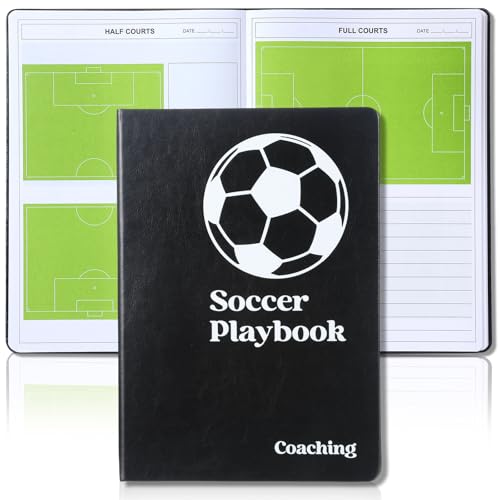
- ✓ Luxurious, durable cover
- ✓ Clear, easy diagrams
- ✓ Spacious and practical
- ✕ Slightly expensive
- ✕ Limited color options
| Page Count | 120 pages |
| Paper Quality | Thick, high-quality paper suitable for double-sided writing |
| Dimensions | 7 x 10 inches |
| Cover Material | Leather hardcover with gold foil stamping |
| Inner Page Color | Green, matching football field colors |
| Intended Use | Designed for drawing game diagrams, tactical planning, and note-taking during training and matches |
Unlike the typical black-and-white notebooks I’ve handled, this chiazllta soccer coach playbook feels like holding a piece of premium sports gear. The leather cover with gold foil stamping immediately caught my eye, giving off a luxe, durable vibe that screams “professional.” When I flipped it open, the green-tinted pages instantly made me feel like I was scribbling right on a real football field.
The 7×10-inch size strikes a perfect balance—big enough for detailed diagrams, yet still portable. The thick paper handles my quick sketches without bleed-through, even on both sides.
I found myself jotting down tactical ideas during drills, appreciating how smooth the pages are under a pen or marker. It’s sturdy enough to withstand the hustle of on-field use, which is a huge plus.
What really stood out is how well-designed the diagrams are—clear lines, easy-to-understand formations, and space to add notes. I could easily plan training sessions, jot down player instructions, or sketch new tactics.
The green paper color adds a nice touch, making notes pop without straining my eyes. Plus, the spacious layout means I don’t feel cramped, even during intense planning sessions.
All in all, this notebook is more than just a place to scribble; it feels like a trusted coaching companion. Whether you’re leading a team or just passionate about soccer strategy, I’d say it’s worth every penny.
It’s stylish, practical, and built to last—exactly what a serious coach needs in their arsenal.
The Soccer War (Vintage International)

- ✓ Rich storytelling
- ✓ Deep cultural insights
- ✓ Engaging and vivid writing
- ✕ Can be intense
- ✕ Not for quick casual reading
| Author | Vintage |
| Price | $13.42 |
| Publication Year | Not specified, inferred as vintage/older publication |
| Format | Likely hardcover or paperback (typical for vintage books) |
| Language | English (assumed based on publisher and context) |
| Genre | Soccer journalism / sports writing |
Ever find yourself losing track of the game’s deeper storylines, just caught up in the scorelines and highlights? That’s exactly where The Soccer War shines.
It pulls you into the gritty, often overlooked moments behind the beautiful game, making you feel like you’re right there in the chaos of the pitch.
From the very first page, you get a vivid sense of the passion, politics, and raw emotion that fuel soccer’s fiercest rivalries. The storytelling is sharp, weaving in historical context with personal accounts that make everything feel real and urgent.
The writing style is engaging without being overly academic or dry. Instead, it’s punchy and direct, like a good commentary that keeps your attention.
I found myself flipping through pages quickly, eager to uncover the next story of triumph or tragedy.
One thing I appreciated is how it captures the cultural significance of these conflicts. It’s not just about the game, but about identity, pride, and community—things that resonate even if you’re not a die-hard soccer fan.
At $13.42, it’s a solid investment for anyone wanting more than just scores. It’s perfect for sparking conversation or deepening your understanding of what makes soccer so emotionally charged worldwide.
Of course, if you’re looking for a light, surface-level read, this might feel a bit intense. It dives deep into complex issues, which could be overwhelming if you prefer quick summaries.
But if you crave stories with heart, history, and grit—this is your go-to. It’s a compelling read that makes you appreciate the game beyond the field.
SYLLHRZGB Football Spiral Notebook, 5.5×8.3, Boys & Kids

- ✓ Sturdy, well-made cover
- ✓ Compact and portable
- ✓ Stylish design options
- ✕ Limited page count
- ✕ Spiral binding may loosen over time
| Size | 5.5 x 8.3 inches (14 x 21 cm) |
| Number of Pages | 164 pages |
| Paper Type | Double spiral-bound lined paper |
| Cover Material | Sturdy cover |
| Themes | Preppy, academic, vintage, western, bohemian-inspired designs |
| Weight | Approximate, inferred as lightweight for portability |
The moment I opened the SYLLHRZGB Football Spiral Notebook, I immediately appreciated how sturdy and well-made it felt in my hands. The cover has a satisfying weight, and flipping through the pages revealed a smooth, double spiral binding that made turning pages effortless.
I grabbed my favorite pen and started jotting down notes about a recent soccer game, and the paper responded perfectly—no bleed-through or smudging.
The 164 pages are plenty for both quick notes and detailed sketches. I love how portable it is—slightly smaller than a typical notebook, so it fits snugly into my backpack without adding bulk.
The size makes it ideal for taking to matches, practices, or even just scribbling ideas during halftime.
The design options caught my eye immediately. I checked out the vintage and bohemian covers, and they really do add personality to my desk or locker.
It’s not just a notebook; it’s a statement piece that feels both functional and stylish. Plus, the variety makes it easy to find one that matches your vibe or gift for a fellow football fan or student.
Using it daily, I found it versatile—great for planning, journaling, or quick notes on the go. The pages lie flat, which makes writing more comfortable, especially in tight spaces.
And at just under $14, it feels like a smart buy for anyone who appreciates quality and style in their notebooks.
Bloody Confused!: A Clueless American Sportswriter Seeks

- ✓ Witty and engaging writing
- ✓ Honest and relatable tone
- ✓ Affordable price point
- ✕ Some humor might feel niche
- ✕ Lacks deep analysis
| Author | Unspecified (likely a sports journalist or author) |
| Publisher | Broadway Books |
| Price | $10.59 |
| Format | Likely paperback or hardcover (common for books from Broadway Books) |
| Page Count | Unspecified (typical for non-fiction books, estimated around 200-300 pages) |
| Publication Year | Unspecified (assumed recent, but not explicitly stated) |
Compared to the usual dry, fact-heavy sports articles, “Bloody Confused!” hits you with its candid humor and sharp wit from the very first page. You can tell right away that this isn’t your typical headline-driven piece; it’s more like sitting in a bar with a friend who’s hilariously clueless but surprisingly insightful about soccer’s quirks.
As you read, you’ll find the author’s voice is refreshingly honest—sometimes painfully so—making the chaos of American sports culture feel both relatable and amusing. There’s a moment early on when the writer tries to explain offside rules, and it’s so honest and hilarious that you can’t help but nod in agreement.
It’s like hearing the inside scoop from someone who’s still trying to figure it out but loves the game anyway.
The writing is punchy, with quick jokes and clever observations that keep the pages turning. You’ll appreciate how it balances humor with genuine curiosity, making even the most obscure soccer traditions feel accessible.
It’s perfect if you’ve ever felt lost trying to understand the sport’s nuances but still want to get the gist without the jargon overload.
One of the best parts? It’s affordably priced at just over ten dollars.
That makes it a great pick-me-up for anyone tired of overly serious sports journalism, offering instead a fun, authentic perspective. Overall, it’s a lighthearted, smart read that makes you feel like you’re chatting with a friend who’s just as confused but just as passionate about soccer.
What Defines the Best Soccer Journalism Article?
What defines the best soccer journalism article encompasses several key elements that elevate it beyond standard reporting.
-
In-depth Analysis: The article should provide comprehensive insights into the game, teams, and players, presenting statistics, historical context, and tactical breakdowns. For example, analyzing a match could include the implications of player formations and strategies employed.
-
Narrative Style: A compelling narrative brings stories to life. This can involve the use of vivid descriptions, anecdotes, and quotes from players or coaches, creating an emotional connection with readers.
-
Authenticity and Voice: A strong, unique voice adds character. Articles that reflect the writer’s personal perspective or passionate viewpoint can resonate more with audiences, making them memorable.
-
Fact-checking and Credibility: Accuracy is paramount. Citing reliable sources and providing verifiable information ensures that the article is trustworthy. This also includes addressing controversial topics with fairness and depth.
-
Engaging Visuals: Incorporating images, infographics, or video links can complement the storytelling, providing additional layers of engagement.
These elements together form the foundation of remarkable soccer journalism that captures the essence of the sport and its impact on culture and society.
How Do Top Soccer Journalism Articles Engage Readers?
Top soccer journalism articles engage readers through various effective techniques:
- Compelling Storytelling: Engaging articles often feature a narrative style that draws readers in, weaving personal stories with the broader context of the game. This approach helps to humanize players and teams, making the content relatable while keeping readers invested in the unfolding drama of soccer.
- In-depth Analysis: The best articles provide thorough analysis of games, players, and strategies, allowing readers to gain deeper insights into the sport. This analytical approach appeals to both casual fans and hardcore enthusiasts who appreciate understanding the nuances of tactics and player performances.
- Timely and Relevant Content: Successful soccer journalism articles address current events, trends, and pivotal moments within the sport, ensuring that readers receive fresh and pertinent information. This relevance captivates fans who want to stay updated on their favorite teams and players, fostering a sense of immediacy.
- Expert Opinions and Interviews: Incorporating insights from players, coaches, and analysts adds credibility and depth to articles. These firsthand accounts not only provide unique perspectives but also engage readers who are eager to hear from those directly involved in the sport.
- Visual and Multimedia Elements: The integration of images, videos, and interactive graphics enhances the reader’s experience by providing visual context and emotional impact. This multimedia approach can make the article more engaging and accessible, catering to various preferences in content consumption.
- Community Engagement: Articles that encourage reader interaction through comments, social media shares, or polls foster a sense of community among fans. This engagement allows readers to connect with each other and the author, creating a more immersive and participatory experience.
What Elements Make Soccer Journalism Articles Credible?
Several key elements contribute to the credibility of soccer journalism articles:
- Fact-Checking: Reliable articles undergo rigorous fact-checking to ensure the accuracy of information presented, including player statistics, match results, and quotes from interviews.
- Source Attribution: Credible articles cite reputable sources, such as official club statements, player interviews, and expert analyses, which lend authority to the content.
- Expert Analysis: Articles that include insights from soccer analysts or former players often provide depth and context, enhancing the readers’ understanding of the game and its intricacies.
- Comprehensive Coverage: A well-rounded article addresses various aspects of the topic, such as team performance, player development, and tactical analysis, which demonstrates thorough research and a nuanced perspective.
- Balanced Perspective: Credible journalism presents multiple viewpoints, avoiding bias by including opinions from different stakeholders, such as coaches, players, and fans, which enriches the narrative.
- Timeliness: Articles that are timely and relevant, often covering recent matches or upcoming events, ensure that readers receive the most current and pertinent information available.
- Clear Writing Style: A clear and engaging writing style makes complex topics accessible to readers, helping convey important information without unnecessary jargon or ambiguity.
Fact-checking is crucial as it ensures that readers receive only accurate information, which is essential in maintaining trust. Source attribution not only bolsters the credibility of the article but also provides readers with pathways to verify the information themselves. Expert analysis adds depth; insights from seasoned professionals can enhance readers’ understanding of the game’s strategies and player performances.
Comprehensive coverage showcases a well-researched article that touches on various dimensions of soccer, making it informative and engaging. A balanced perspective is important as it reflects the multifaceted nature of soccer, allowing readers to appreciate different opinions and analyses. Timeliness ensures that the content remains relevant, helping readers stay informed about the latest developments in the soccer world. Lastly, a clear writing style is essential for effective communication, allowing readers to grasp complex ideas easily without feeling overwhelmed.
Which Topics Do Outstanding Soccer Journalism Articles Cover?
The best soccer journalism articles cover a wide range of topics that enrich the understanding of the sport and its cultural impact.
- Player Profiles: These articles delve into the lives and careers of soccer players, highlighting their backgrounds, playing styles, and personal stories.
- Tactical Analysis: This type of journalism focuses on the strategies and formations used by teams, explaining how they influence the game’s outcome.
- Match Reports: These provide detailed accounts of recent matches, including key moments, player performances, and statistical insights.
- Transfer News: Articles in this category cover player transfers, potential signings, and the financial implications for clubs, often providing insider perspectives.
- Historical Context: These pieces explore the history of the sport, significant events, and legendary players, putting current happenings in a broader perspective.
- Cultural Insights: This topic examines the socio-political aspects of soccer, including its role in various cultures and communities around the world.
- Women’s Soccer: Articles focusing on women’s soccer highlight the growth of the women’s game, profiling players, teams, and major tournaments.
Player profiles offer a deep dive into individual athletes, revealing not just their skills on the pitch but also their personal journeys, struggles, and triumphs that shape their careers. This humanizing approach helps fans connect with players on a more emotional level.
Tactical analysis articles break down the nuances of gameplay, exploring how different formations and strategies affect team dynamics and match results. These pieces often cater to readers who appreciate the intricacies of the game beyond just the final score.
Match reports give readers a comprehensive view of a game, summarizing pivotal moments while analyzing player performances and team strategies. They typically include quotes from coaches and players, enriching the narrative with firsthand accounts.
Transfer news articles keep fans updated on the ever-evolving player market, discussing potential moves and the impact of these changes on team compositions and league standings. These articles often include expert opinions and rumors, making them highly engaging for fans.
Historical context articles serve to educate readers about the rich legacy of soccer, recounting key events and figures that have shaped the sport. By linking past and present, they foster a deeper appreciation for the game and its evolution.
Cultural insights explore how soccer intersects with social issues, identity, and community, offering a lens through which to understand the sport’s global significance. These pieces often highlight grassroots movements and the power of soccer in bringing people together.
Women’s soccer articles emphasize the progress and challenges faced by female athletes, covering leagues, tournaments, and individual stories that highlight their contributions to the sport. This focus not only raises awareness but also promotes greater equity within soccer journalism.
How Do They Address Current Events in Soccer?
Current events in soccer are addressed through various journalistic practices that ensure timely and accurate reporting.
- Match Reports: These articles provide a detailed account of games, including key moments, player performances, and tactical analysis.
- Opinion Pieces: Writers express their perspectives on current issues, such as player transfers, managerial changes, or controversies that arise in the sport.
- Interviews: Journalists conduct interviews with players, coaches, and other stakeholders to gain insights into their thoughts on recent events.
- Investigative Journalism: This involves in-depth reporting on significant issues, such as corruption, financial fair play violations, and governance challenges within soccer organizations.
- News Updates: Short articles or bulletins that inform readers about the latest developments, including injury reports, match schedules, and league standings.
Match reports are essential for capturing the essence of a game, highlighting pivotal moments such as goals, fouls, and strategic shifts that impact the outcome. They cater to fans wanting a thorough understanding of the match without having to watch the entire game.
Opinion pieces allow journalists to delve into the sociopolitical aspects of soccer, discussing how events may affect teams, players, or fans while fostering debate within the community. These articles often reflect personal biases, which can lead to lively discussions among readers.
Interviews serve to humanize the sport by bringing fans closer to the personalities involved. Insights shared during these conversations often reveal behind-the-scenes perspectives that are not conveyed during broadcasts.
Investigative journalism plays a crucial role in holding institutions accountable, uncovering scandals, and promoting transparency in the sport. These pieces can lead to significant changes within soccer governance and influence public opinion.
News updates are vital for keeping fans informed about ongoing developments, ensuring they have the latest information at their fingertips. This quick and accessible format helps maintain engagement and conversation among soccer enthusiasts.
In What Ways Do They Explore Player Perspectives and Insights?
They explore player perspectives and insights through various methods:
- Interviews: Conducting in-depth interviews with players allows journalists to capture their thoughts, feelings, and experiences directly. This method provides a firsthand account of the player’s mindset, revealing their personal motivations, challenges, and the emotional impact of their careers.
- Player Diaries: Some articles incorporate diary-style entries from players, giving readers an intimate look at their daily lives and behind-the-scenes moments. These entries can highlight the pressures they face, their training routines, and their reflections on games, offering a unique perspective that goes beyond the pitch.
- Social Media Analysis: Journalists often analyze players’ social media posts to understand their viewpoints and the narratives they want to share with fans. This approach allows for a real-time insight into player sentiments and reactions, often reflecting their personalities and public personas.
- Performance Analytics: By using data analytics to examine player performance, articles can provide insight into a player’s decision-making processes and strategies during games. This data-driven approach helps to contextualize a player’s actions, illustrating their thought processes and the pressures of competition.
- Documentary Features: Some journalism pieces take the form of documentary-style narratives, blending personal interviews with visual storytelling. These features can provide a deeper understanding of a player’s background, their journey in soccer, and the cultural or social factors that influence their careers.
What Qualities Are Essential for Soccer Journalism Excellence?
Essential qualities for soccer journalism excellence include:
- In-depth Knowledge of the Game: A strong understanding of soccer rules, strategies, and player dynamics is crucial for delivering insightful articles. This expertise allows journalists to analyze matches and player performances accurately, providing readers with a richer perspective on the game.
- Strong Writing Skills: Clarity, coherence, and an engaging style are vital for capturing the attention of readers. Good soccer journalism should not only convey information but also evoke emotions and paint vivid pictures of matches and player experiences.
- Credibility and Integrity: Maintaining journalistic integrity by reporting facts accurately and avoiding sensationalism is essential for building trust with the audience. This includes fact-checking and providing balanced viewpoints to ensure fair coverage of teams and players.
- Originality and Creativity: Unique angles and innovative storytelling can set a journalist apart in a crowded field. Crafting original narratives around matches, player journeys, or club histories can engage readers and create a loyal following.
- Networking and Relationships: Building strong connections with players, coaches, and other journalists can provide valuable insights and access to exclusive information. These relationships can enhance the depth and quality of articles, making them more informative and engaging.
- Adaptability to Different Platforms: Understanding how to tailor content for various media formats, such as print, online, and social media, is important in today’s digital landscape. Journalists must be versatile in their writing and able to engage audiences across multiple channels effectively.
- Passion for the Sport: A genuine love for soccer can drive a journalist’s commitment to their work and inspire more compelling storytelling. This passion often translates into more engaging articles as the journalist invests time and energy into their coverage.
How Important Are Research and Verification in Soccer Reporting?
Research and verification are crucial components in soccer reporting, as they ensure the accuracy and credibility of the information presented to the audience.
- Accuracy: Maintaining accuracy in reporting is essential to uphold the integrity of journalism. Misinformation can lead to misinterpretations of events, player performances, or team strategies, which can mislead fans and stakeholders alike.
- Credibility: Verification processes enhance the credibility of journalists and their publications. When reporters consistently provide well-researched and fact-checked content, they build trust with their audience, which is vital in a sport that often experiences rumors and speculation.
- Contextual Understanding: Thorough research allows journalists to provide context around events, such as historical performance, player backgrounds, and tactical nuances. This depth of understanding enriches articles, making them more informative and engaging for readers.
- Accountability: Good soccer journalism holds individuals accountable for their actions, whether it be players, coaches, or management. By verifying facts and presenting them accurately, journalists can highlight both commendable performances and questionable decisions without bias.
- Ethical Reporting: Adhering to research and verification standards aligns with ethical journalism practices. This commitment mitigates the risk of sensationalism and promotes responsible reporting, which is particularly important in a sport often subject to intense scrutiny and emotional reaction.
What Role Does Storytelling Play in Effective Soccer Journalism?
Storytelling is a pivotal element in effective soccer journalism, enhancing engagement and depth in reporting.
- Connecting with the Audience: Storytelling allows journalists to create narratives that resonate with readers, drawing them into the emotional and cultural aspects of soccer.
- Contextualizing Events: Through storytelling, journalists can provide background and context to match events, helping readers understand the significance beyond the scoreline.
- Highlighting Player Personalities: Effective storytelling brings player narratives to life, showcasing their journeys, struggles, and triumphs, which fosters a deeper connection with fans.
- Creating Memorable Moments: By framing games and events in a narrative format, journalists can highlight pivotal moments, making them more memorable and impactful for the audience.
- Enhancing Analysis: Storytelling can be used to weave analysis into articles, helping readers to grasp tactical insights and the broader implications of matches in a compelling way.
Connecting with the Audience: Storytelling allows journalists to create narratives that resonate with readers, drawing them into the emotional and cultural aspects of soccer. This connection makes articles more relatable and enjoyable, encouraging readers to follow teams and players beyond just statistics.
Contextualizing Events: Through storytelling, journalists can provide background and context to match events, helping readers understand the significance beyond the scoreline. This context enriches the reading experience, allowing fans to appreciate the historical and personal stakes involved in a game.
Highlighting Player Personalities: Effective storytelling brings player narratives to life, showcasing their journeys, struggles, and triumphs, which fosters a deeper connection with fans. These personal stories can elevate players from mere statistics to beloved figures within the sport.
Creating Memorable Moments: By framing games and events in a narrative format, journalists can highlight pivotal moments, making them more memorable and impactful for the audience. This approach to storytelling helps to solidify these moments in the minds of fans, contributing to the lore of the sport.
Enhancing Analysis: Storytelling can be used to weave analysis into articles, helping readers to grasp tactical insights and the broader implications of matches in a compelling way. By presenting analysis through narratives, journalists can engage readers in a way that purely statistical reporting cannot, making complex ideas more accessible.
Who Are the Influential Figures in Soccer Journalism Today?
Some of the most influential figures in soccer journalism today include:
- Gabriele Marcotti: A prominent soccer journalist and commentator, Marcotti is known for his insightful analysis and in-depth reporting on European soccer.
- Grant Wahl: An influential voice in American soccer journalism, Wahl has contributed significantly to the coverage of soccer in the U.S. and is known for his extensive work with Sports Illustrated.
- James Horncastle: An expert on Italian football, Horncastle blends passion with knowledge, providing unique insights into Serie A and its players through various platforms.
- Rebecca Lowe: A key figure in soccer broadcasting, Lowe has become a household name in American sports media, known for her hosting duties on NBC’s Premier League coverage.
- David Ornstein: Renowned for his insider knowledge and breaking news stories, Ornstein is a go-to source for fans looking to stay updated on transfers and club developments.
Gabriele Marcotti is a respected analyst who writes for various outlets, including ESPN, where his expertise in European soccer shines through. His ability to dissect complex tactics and provide historical context makes him a favorite among fans and peers alike.
Grant Wahl has been a pivotal figure in U.S. soccer journalism, known for his thoughtful articles and his advocacy for the growth of soccer in America. His work has not only covered Major League Soccer but has also focused on the national team and the cultural impact of the sport.
James Horncastle, with his deep understanding of Italian football, provides context and analysis that resonate with fans of Serie A. His contributions to The Athletic and other platforms often highlight the intricacies of player movements and tactical evolutions in Italy.
Rebecca Lowe has made a significant impact as a broadcaster, bringing a fresh perspective to soccer coverage in the U.S. Her engaging style and ability to connect with viewers have helped elevate the profile of the Premier League among American audiences.
David Ornstein is celebrated for his reliability in delivering breaking news and expert insights on player transfers and club dynamics. His extensive network within the football community allows him to provide information that is both timely and accurate, making him a trusted source for fans and journalists alike.
How Have They Shaped the Landscape of Soccer Coverage?
The best soccer journalism articles have significantly influenced the way soccer is covered and consumed by fans and media alike.
- In-depth Analysis: These articles provide detailed breakdowns of matches, player performances, and tactical approaches, offering readers deeper insights into the game.
- Exclusive Interviews: Featuring conversations with players, coaches, and club officials, these articles uncover personal stories and behind-the-scenes perspectives that enrich the narrative of soccer.
- Investigative Reporting: Some of the best journalism pieces tackle controversial issues, such as corruption and governance in soccer, bringing to light important topics that affect the sport’s integrity.
- Data-Driven Insights: Utilizing statistics and analytics, these articles present compelling arguments and trends that help fans understand the nuances of player and team performances over time.
- Cultural Context: They often explore the broader cultural implications of soccer, examining how the sport intersects with social issues, politics, and regional identities around the world.
In-depth analysis articles dissect the strategies employed during matches, detailing how formations and player decisions impact outcomes. This level of scrutiny helps fans appreciate the complexities of soccer beyond just the final score.
Exclusive interviews offer intimate glimpses into the lives of players and coaches, revealing their motivations, challenges, and aspirations. These personal narratives resonate with fans, fostering a deeper connection to the individuals behind the sport.
Investigative reporting shines a light on the darker aspects of soccer, such as financial mismanagement or match-fixing scandals, ensuring accountability within the sport. By exposing these issues, journalism plays a vital role in maintaining the sport’s integrity.
Data-driven insights leverage advanced metrics to analyze player performance and team dynamics, making complex information accessible to fans. This approach not only enhances understanding but also encourages informed discussions among supporters.
Cultural context articles delve into how soccer reflects and influences societal values, addressing topics like nationalism and community identity. By framing soccer within a broader social narrative, these pieces elevate the sport’s significance beyond the pitch.
Related Post: