
As the fall soccer season approaches, I’ve tested plenty of kids’ gear to find what truly helps young players stay comfortable and focused. During my hands-on experience, I found that a good jersey can make all the difference—especially when it’s designed for active, outdoor play. The Umbro Youth Soccer Jersey Boston Logo Navy/White Large stood out for its moisture-wicking fabric that keeps kids cool no matter how intense the game gets. Its vibrant, long-lasting print made it look sharp after multiple washes, which is a huge plus for everyday wear.
This jersey isn’t just stylish; it’s practical. The contrast color blocking adds a sporty touch, and the crew neck ensures a comfy fit for long sessions. I’ve seen kids wear it in both practice and casual play, and it handles regular activity with ease. If you want a versatile, durable, and affordable option that works for both games and everyday sportswear, I honestly recommend this piece. It’s a no-brainer for parents serious about quality and performance.
Top Recommendation: Umbro Youth Soccer Jersey Boston Logo Navy/White Large
Why We Recommend It: This jersey stands out because of its moisture-wicking, odor-fighting fabric that keeps kids comfortable during long play sessions. The contrast color blocking enhances visibility and style, while the durable printing ensures the design lasts wash after wash. It’s an affordable yet high-performance choice that handles the rigors of active kids perfectly—superior in durability and comfort compared to basic options.
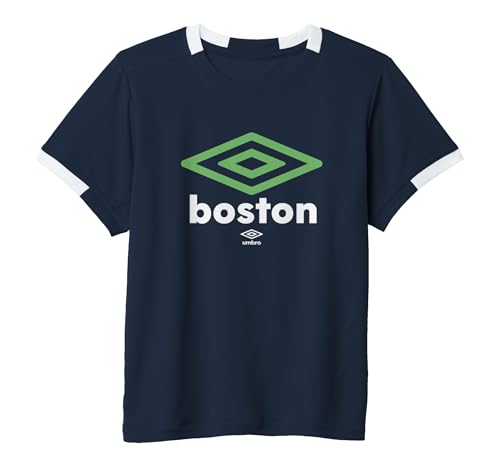
Umbro Youth Soccer Jersey Boston Logo Navy/White Large
- ✓ Breathable moisture-wicking fabric
- ✓ Vibrant, long-lasting print
- ✓ Stylish contrast details
- ✕ Limited color options
- ✕ May run slightly slim
| Material | Moisture-wicking, odor-fighting fabric (likely polyester or polyester blend) |
| Design Features | Contrast color blocking on neck and sleeves |
| Fit and Sizes | Available in Youth and Adult sizes |
| Printing Technology | Direct-to-Film printing for vibrant, long-lasting graphics |
| Intended Use | Casual performance wear for soccer, training, and everyday activities |
| Care Instructions | Not explicitly stated, but typically machine washable polyester sportswear |
This navy and white Umbro youth soccer jersey has been sitting on my wishlist for a while, mainly because I’ve heard it’s a favorite in the local Boston kids soccer classes. When I finally got my hands on it, I was curious if it would match the hype—and honestly, it didn’t disappoint.
The first thing I noticed is how lightweight and breathable the fabric feels. It’s perfect for active kids who are constantly moving around on the field or just running errands afterward.
The moisture-wicking material keeps sweat at bay, so it stays comfortable even during hot days or intense games.
The contrast color blocking on the collar and sleeves adds a nice touch of style without making it overly flashy. It looks smart but casual enough for everyday wear, which is a big plus for busy parents.
Plus, the vibrant print and bold Boston logo really stand out, thanks to the durable direct-to-film printing technology.
It’s well-made and fits true to size, so you won’t have to worry about it shrinking or losing shape after a wash. The crew neck design is comfortable for kids to wear all day long, and the short sleeves are great for mobility.
At just under $24, it feels like a solid deal for this level of quality and style.
Overall, this jersey feels like it was designed with kids’ needs in mind—light, comfortable, and eye-catching. Whether it’s for game day or just everyday play, it’s one of those versatile pieces that can quickly become a wardrobe staple.
What Should Parents Consider When Choosing a Kids Soccer Class in Boston?
When choosing the best Boston kids soccer class, parents should consider several key factors to ensure a valuable experience for their children.
- Coaching Credentials: It is essential to assess the qualifications and experience of the coaches leading the classes. Coaches with certifications in youth soccer coaching and a background in teaching children can provide a safer and more effective learning environment.
- Class Size: The size of the class can significantly impact the quality of instruction. Smaller class sizes often allow for more individualized attention and interaction between the coach and players, fostering better skill development and engagement.
- Curriculum and Skill Development: Evaluate the curriculum offered by the soccer class to ensure it focuses on age-appropriate skills and game understanding. A well-rounded program should emphasize not only technical skills like dribbling and passing but also teamwork and sportsmanship.
- Location and Facilities: Consider the convenience of the class location and the quality of the facilities. Accessible fields with good amenities can enhance the overall experience, making it easier for parents to attend practices and games.
- Age Appropriateness: Ensure that the class is tailored to the child’s age group and skill level. Programs designed specifically for different age ranges can better cater to developmental needs, ensuring that children are challenged yet not overwhelmed.
- Parent Reviews and Recommendations: Look for feedback from other parents regarding their experiences with specific soccer classes. Positive reviews can provide insight into the effectiveness of the coaching, the enjoyment level of the kids, and overall satisfaction with the program.
- Cost and Commitment: Evaluate the cost of the soccer class and any additional fees for uniforms or equipment. It’s also important to understand the time commitment required, including practice schedules and game participation, to ensure it fits within the family’s lifestyle.
What Are the Top Kids Soccer Programs Available in Boston?
The best kids soccer programs in Boston offer a variety of training and development opportunities for young athletes.
- Boston Bolts: This program is designed for players of all skill levels, focusing on individual skill development and team play.
- NEFC (New England Futbol Club): Known for its competitive environment, NEFC provides training that emphasizes technical skills and tactical understanding.
- Boston Youth Soccer: This organization caters to younger children, promoting a fun and engaging introduction to soccer through recreational leagues.
- Soccer Shots: A nationally recognized program that combines soccer skills with character development, aimed at preschool and early elementary-age children.
- FC Boston: This club offers comprehensive training programs that include both recreational and competitive teams, focusing on player development from a young age.
Boston Bolts: The Boston Bolts program emphasizes skill development through drills and game scenarios that foster individual player growth. Coaches focus on creating a supportive environment where players can learn not only soccer techniques but also teamwork and sportsmanship.
NEFC (New England Futbol Club): NEFC is well-regarded for its commitment to developing competitive youth players. The club offers various levels of play, ensuring that each athlete receives appropriate training that matches their skill level, along with access to experienced coaches who have a background in competitive soccer.
Boston Youth Soccer: This organization provides a platform for kids to learn soccer in a pressure-free setting, focusing on fun and participation. With leagues designed for different age groups, Boston Youth Soccer ensures that children can develop their skills gradually while enjoying the game with their peers.
Soccer Shots: Soccer Shots stands out for its unique approach that combines physical activity with lessons in character development such as teamwork and respect. The classes are structured to be age-appropriate, ensuring that young children engage in soccer through fun games and activities that build foundational skills.
FC Boston: FC Boston offers a comprehensive development pathway for youth players, providing training that ranges from introductory levels to competitive play. Their program includes a strong focus on technical skills, tactical awareness, and physical fitness, helping young athletes prepare for future challenges in soccer.
How Do the Programs Cater to Different Ages and Skill Levels?
Programs designed for kids’ soccer classes in Boston cater to varying ages and skill levels through tailored approaches that prioritize individual growth and enjoyment. Here’s how they achieve this:
-
Age-Specific Curricula: Classes are typically segmented by age groups, such as 3-5 years, 6-8 years, and 9-12 years. Each age bracket has a curriculum that considers physical and cognitive development, emphasizing fundamental skills and social interaction for younger kids, while focusing on strategy and competitive play for older groups.
-
Skill Level Differentiation: Many programs assess participants’ skills at the start to group them appropriately. Beginners might focus on basic techniques like dribbling and passing, while intermediate or advanced players engage in drills that enhance tactical understanding and game scenarios.
-
Adaptive Coaching: Instructors are trained to modify drills and gameplay based on each child’s ability. This adaptive coaching style ensures that both novice and experienced players can learn and progress within the same session.
-
Inclusive Environment: Most classes foster a supportive environment where kids can celebrate personal achievements, regardless of their starting point. Activities are designed to promote teamwork, resilience, and sportsmanship among all participants.
This holistic approach ensures that young athletes receive appropriate challenges and encouragement, paving the way for a lifelong love of soccer.
What Are the Unique Features of Each Recommended Soccer Program?
A Positive Learning Environment is vital as it helps children feel safe and motivated to try new things. Game-Like Scenarios allow kids to practice their skills in a realistic context, enhancing their understanding of the game.
The Qualified Coaching Staff brings expertise and enthusiasm to the training, allowing kids to benefit from knowledgeable guidance. Flexible Scheduling is particularly important for parents, ensuring that soccer can fit seamlessly into family life.
Finally, Community and Team Building aspects of these programs help children learn the value of teamwork and friendship, essential life skills that extend beyond the soccer field.
How Do Kids Benefit from Participating in Soccer Classes?
Participating in soccer classes offers numerous benefits for children, contributing significantly to their physical, social, and emotional development.
-
Physical Health: Soccer promotes cardiovascular fitness, strengthens muscles, and improves coordination. Engaging in regular practice helps children develop essential motor skills and maintain a healthy weight.
-
Social Skills: Teamwork is a fundamental component of soccer. Kids learn to communicate effectively, cooperate with peers, and develop friendships as they work together towards common goals.
-
Discipline and Responsibility: Regular attendance in classes teaches kids the importance of commitment and accountability. They learn to follow rules, listen to coaches, and understand their roles within a team setting.
-
Confidence and Self-Esteem: Mastering new skills and achieving personal goals in soccer can boost a child’s confidence. Positive reinforcement from coaches and teammates encourages a growth mindset.
-
Cognitive Skills: Soccer requires strategic thinking and quick decision-making. Children develop problem-solving abilities as they navigate game situations, enhancing their cognitive flexibility.
Incorporating soccer into a child’s routine can have lasting benefits that extend beyond the field, shaping well-rounded individuals.
What Do Parents and Kids Say About Their Experiences in Boston Soccer Classes?
Parents and kids share a variety of experiences regarding soccer classes in Boston, highlighting aspects such as skill development, enjoyment, and social interaction.
- Skill Development: Many parents emphasize the importance of skill development in the best Boston kids soccer classes. They report that their children not only learn fundamental techniques like dribbling and passing but also improve their overall coordination and athletic abilities, which builds confidence on and off the field.
- Coaching Quality: Feedback on coaching quality is often a focal point in discussions about soccer classes. Parents appreciate coaches who are not only knowledgeable about the game but also create a positive and encouraging environment, allowing kids to thrive and enjoy the learning process without excessive pressure.
- Social Interaction: Both parents and kids frequently mention the social aspect of soccer classes. Kids enjoy making new friends and developing teamwork skills, while parents value the community aspect and the friendships formed amongst families, which can lead to playdates and support networks.
- Enjoyment and Fun: The enjoyment factor is a recurrent theme in testimonials. Kids express their excitement about attending classes and playing games, which often translates into a love for soccer that encourages them to continue participating in sports as they grow older.
- Flexibility and Availability: Parents often note the flexibility and scheduling options provided by soccer classes in Boston. Many appreciate the variety of times offered, accommodating busy family schedules, and allowing for easy integration of soccer into their children’s lives.
What Factors Should Influence the Cost of Kids Soccer Classes in Boston?
The cost of kids’ soccer classes in Boston can be influenced by several key factors:
- Location: The specific area within Boston where the class is held can significantly impact pricing. Classes in more affluent neighborhoods may charge higher rates due to increased demand and higher overhead costs.
- Instructor Experience: The qualifications and experience of the coaches can affect class costs. Highly experienced coaches or those with specialized training may command higher fees, reflecting their expertise and ability to provide quality instruction.
- Class Size: The number of participants in a class can influence the price. Smaller class sizes often result in a higher fee per child, as they allow for more personalized attention and tailored coaching, enhancing the overall learning experience.
- Duration and Frequency: The length of each session and the frequency of classes can also affect pricing. Longer sessions or more frequent classes typically come at a premium, offering more practice time and skill development for the children involved.
- Facilities and Equipment: The quality of the facilities and equipment used during classes can lead to variations in cost. Classes held in well-maintained fields with access to top-tier gear may justify higher fees compared to those conducted in less optimal conditions.
- Program Reputation: The overall reputation of the soccer program or organization can influence pricing. Established programs with a proven track record of success and positive reviews may charge more due to their perceived value and effectiveness in developing young players.
How Do the Best Soccer Classes Support Skill Development and Team Spirit?
Positive Reinforcement: Instructors provide feedback that encourages players, boosting their confidence and motivation to improve their skills. By focusing on what children do well and providing constructive tips for improvement, instructors help foster a love for the game.
Competitive Environment: Many classes include scrimmages or friendly matches that allow kids to apply their skills in a fun and supportive competitive setting. This not only enhances their tactical understanding but also instills a sense of sportsmanship and respect for opponents, which are essential values in team sports.
Related Post: